Staffy Bull Pug
The Staffy Bull Pug is a cross between the Staffordshire Bull Terrier and the Pug. Because each hybrid inherits a unique combination of traits from both parents, we recommend thoroughly researching both breeds before choosing a Staffy Bull Pug. Pay special attention to temperament, health issues, and care requirements, as your dog may express characteristics from either parent breed.
Staffordshire Bull Terrier
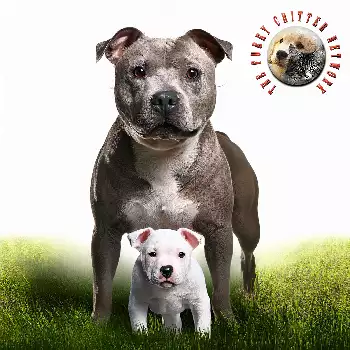
The Staffordshire Bull Terrier is a smooth-coated dog of tremendous strength for its size, combining an athletic, muscular build with remarkable agility and endurance. Standing between 14 to 16 inches at the shoulder, males typically weigh 28 to 38 pounds while females weigh 24 to 34 pounds, with these heights being directly related to the corresponding weights. The breed exhibits square proportions, with the length of back from withers to tail set equaling the distance from withers to ground. This creates the distinctive balanced silhouette that is essential to breed type and distinguishes the Stafford from other bull-and-terrier breeds. The body is close-coupled with a level topline, wide front, deep brisket, and well-sprung ribs that contribute to the breed's powerful appearance while maintaining athletic capability. The head is short and deep through with a broad skull, very pronounced cheek muscles, and a distinct stop that gives the face its characteristic expression. The foreface is short, and the nose must be black, with a pink or Dudley nose considered a serious fault in the show ring. Eyes are medium-sized, round, and set to look straight ahead, preferably dark in color though they may relate somewhat to coat color. Light eyes or pink eye rims are considered faults except where white coat surrounds the eye. Ears are rose or half-pricked, small in proportion to the head, and never cropped. The strong, muscular neck is relatively short and clean in outline, widening gradually toward the well-laid shoulders. Acceptable coat colors include red, fawn, white, black, or blue, or any of these colors combined with white markings. Any shade of brindle or brindle with white is also permitted and commonly seen. Black and tan or liver colors are not desirable and are disqualified in the show ring as they do not exist genetically in the breed. The smooth, short coat lies close to the skin and requires minimal grooming while providing adequate weather protection. The tail is medium length, set low, tapers to a point, and is carried rather low without curling excessively. Movement should be free, powerful, and agile with economy of effort, with legs moving parallel when viewed from front or rear, demonstrating the efficient athleticism that defines this remarkable breed.
Key Characteristics
Temperament Temperament Temperament Temperament Temperament Temperament Staffords possess considerable energy and require regular exercise and mental stimulation to remain content and well-behaved. They excel in various canine activities including agility, obedience, weight pulling, and rally, where their athletic abilities and eagerness to please can shine. Early socialization and consistent positive training are essential to channel their intelligence productively and ensure proper behavior around other animals. The breed may exhibit prey drive toward small animals and should be supervised around cats or small pets until reliable behavior is established. With proper training and socialization, the Staffordshire Bull Terrier makes an outstanding all-purpose family dog that combines protective instincts with genuine affection and unwavering loyalty.
Health Considerations Health Considerations Health Considerations Health Considerations Health Considerations Health Considerations Skin allergies are relatively common in the breed, manifesting as itching, redness, hot spots, and recurring skin infections that may require ongoing management. Environmental allergens, food sensitivities, or contact allergies may trigger these reactions, and identifying the specific cause often requires veterinary guidance. Patellar luxation, where the kneecap slips out of position, occasionally affects Staffordshire Bull Terriers and may require surgical correction in severe cases to restore normal function. Some individuals may develop heart conditions including murmurs or cardiomyopathy. Regular veterinary examinations, appropriate health screenings, maintaining a healthy weight, and providing quality nutrition all contribute to optimizing the health and longevity of this beloved breed.
Pug
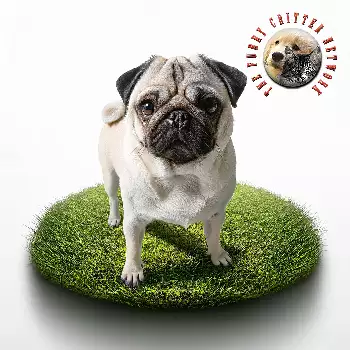
The Pug is a compact, square-bodied toy breed that packs considerable substance into a small frame while maintaining a dignified, charming appearance. Standing 10 to 14 inches at the shoulder and ideally weighing between 14 to 18 pounds, the Pug presents a cobby, well-muscled appearance that is distinctly different from more delicate toy breeds. The Latin phrase multum in parvo, meaning much in little, perfectly describes this breed's combination of substantial body and small size. The body is short and compact with a wide chest, well-sprung ribs, and a level topline from withers to high tail set. Despite their small stature, Pugs should feel solid and substantial when lifted, never appearing delicate, leggy, or lacking in bone. The head is large and round with a flat, short muzzle and deeply wrinkled forehead that creates the breed's characteristic expression of concern and intelligence. The brachycephalic face features a pushed-in muzzle that defines the breed's unique appearance. Large, round, prominent eyes are dark in color with a soft, lustrous quality, conveying the worried yet sweet expression that has endeared the breed to fanciers for centuries. The eyes should never appear fierce or show any white when looking forward. The ears are thin, small, and soft like black velvet, set high on the head. Two ear types are acceptable: the rose ear folds over and back, while the more desirable button ear folds forward with the tip lying close to the skull. The Pug's double coat is fine, smooth, soft, and short, requiring minimal grooming despite moderate year-round shedding. The two primary coat colors are fawn and black, with fawn dogs displaying a clear contrast between the silver-fawn or apricot-fawn body color and the black mask covering the muzzle and ears. Markings should be clearly defined, including a thumb mark or diamond on the forehead. The tail is tightly curled over the hip, with a double curl being highly prized by breed enthusiasts. Movement is free, self-assured, and jaunty with a characteristic slight roll of the hindquarters that adds to the breed's distinctive, confident silhouette.
Key Characteristics
Temperament Temperament Temperament Temperament Temperament Temperament Training a Pug requires patience and consistency, as the breed can be somewhat stubborn and independent despite their intelligence and desire to please their owners. They respond best to positive reinforcement methods with food rewards often proving especially motivating, though treats must be carefully measured to prevent obesity. Pugs crave companionship intensely and may develop separation anxiety if left alone for extended periods. They typically greet both familiar faces and complete strangers with equal friendliness and enthusiasm, making them poor guard dogs but exceptional social companions. Early socialization helps ensure that Pug puppies develop into confident, well-adjusted adults who navigate new situations with characteristic aplomb.
Health Considerations Health Considerations Health Considerations Health Considerations Health Considerations Health Considerations Pug Dog Encephalitis, known as PDE, is a fatal inflammatory brain disease primarily affecting young to middle-aged Pugs for which there is currently no cure or effective treatment. This devastating condition causes seizures, behavioral changes, and progressive neurological decline. The breed is also prone to obesity, which exacerbates breathing difficulties and places additional stress on joints. Hemivertebrae, malformed spinal vertebrae, can cause back problems ranging from mild discomfort to severe debilitation. Regular veterinary care, weight management, avoiding heat exposure, and selecting puppies from health-tested parents all contribute to maximizing health and quality of life. The typical Pug lifespan ranges from 12 to 15 years with appropriate care.
Important to Remember
Each hybrid dog is unique and may inherit any combination of traits from either parent breed. The information above represents the characteristics of the purebred parent breeds. Your Staffy Bull Pug may favor one parent over the other or display a blend of both. We strongly encourage you to read the complete breed profiles for both the Staffordshire Bull Terrier and Pug to fully understand the range of possible temperaments, health concerns, and care requirements.