Sniffon
The Sniffon is a cross between the Miniature Schnauzer and the Brussels Griffon. Because each hybrid inherits a unique combination of traits from both parents, we recommend thoroughly researching both breeds before choosing a Sniffon. Pay special attention to temperament, health issues, and care requirements, as your dog may express characteristics from either parent breed.
Miniature Schnauzer
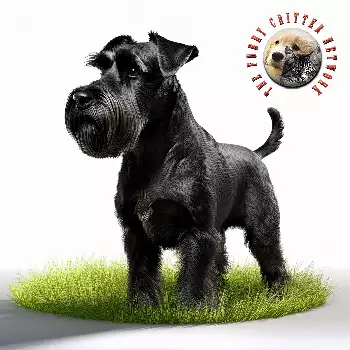
The Miniature Schnauzer is a small, robust, and square-bodied dog that combines sturdy construction with an elegant appearance. Males typically stand 12 to 14 inches tall at the shoulder and weigh between 11 and 20 pounds, while females are slightly smaller at 11 to 13 inches and 10 to 15 pounds. The body is compact and well-muscled, with a short back and strong hindquarters that give the breed an athletic, well-balanced silhouette. Despite their small size, Miniature Schnauzers possess substantial bone and convey an impression of sturdiness rather than delicacy. The breed's head is one of its most distinctive features, adorned with bushy eyebrows that frame dark, oval eyes full of keen intelligence. The characteristic walrus-like mustache and luxuriant beard create an almost human-like expression that has endeared the breed to countless admirers. The head is rectangular with a strong muzzle and moderately long skull. The ears may be cropped to stand erect or left natural, in which case they fold forward in a V-shape. The neck is strong and arched, flowing into well-laid shoulders that enable the breed's free, ground-covering gait. The Miniature Schnauzer possesses a distinctive double coat consisting of a hard, wiry outer coat and a soft, dense undercoat. The most common color is salt and pepper, a distinctive blend of banded hairs that creates a silvery gray appearance, though solid black and black and silver are also recognized colors. The coat requires regular grooming, including professional trimming or hand-stripping every six to eight weeks to maintain the breed's characteristic look. Weekly brushing helps prevent matting and keeps the coat healthy. The breed sheds minimally, making it a popular choice for individuals seeking a lower-allergen companion.
Key Characteristics
Temperament Temperament Temperament Temperament Temperament Temperament Miniature Schnauzers generally get along well with children and can be good family dogs when raised together, though their play style may be too energetic for very young children. They typically coexist peacefully with other family pets when properly socialized, though they may display feistiness toward unfamiliar dogs. Their temperament can vary considerably from one individual to another, ranging from serious and dignified to goofy and terrier-like, but all share a deep need for companionship and inclusion in family life. These dogs do not do well when left alone for extended periods and may develop separation anxiety or destructive behaviors if neglected.
Health Considerations Health Considerations Health Considerations Health Considerations Health Considerations Health Considerations Mycobacterium avium complex infection is a unique health concern that has been identified specifically in Miniature Schnauzers, caused by a genetic immune deficiency that makes the breed susceptible to this serious bacterial infection. Eye problems including progressive retinal atrophy and retinal dysplasia can affect the breed, as can liver shunts, which are congenital abnormalities affecting blood flow to the liver. Dental disease is prevalent due to their smaller mouths, requiring regular dental care. Heart disease, particularly mitral valve disease, has been noted in older dogs. Responsible breeders perform health screenings and genetic testing to reduce the incidence of these conditions in their breeding programs.
Brussels Griffon
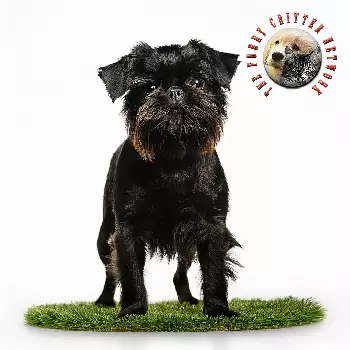
The Brussels Griffon is a small, compact toy breed with a distinctively human-like expression that has captivated dog lovers worldwide. Standing 7 to 10 inches tall at the shoulder and weighing between 8 and 12 pounds, these sturdy little dogs possess a square, well-balanced body that belies their toy classification. Despite their diminutive size, Brussels Griffons have substantial bone and a compact, muscular build that reflects their working heritage as stable ratters. The overall impression is of a solid, athletic dog with an almost comical but endearing appearance. The head is the breed's most distinctive feature, characterized by a large, round skull with a domed forehead and a very short, flat muzzle that classifies them as a brachycephalic breed. The large, round, dark eyes are set well apart and framed by long, dark eyelashes, creating an alert, almost childlike expression that many compare to Ewoks from the Star Wars films. The small ears are set high on the skull and may be cropped to stand erect or left natural in a semi-erect, folded position. The black nose is set high between the eyes, and the undershot jaw contributes to the breed's unique facial structure. Brussels Griffons come in two coat varieties: rough and smooth. The rough coat is dense, wiry, and slightly shaggy, with longer hair around the face creating the characteristic beard and whiskers that earned the breed the nickname bearded dog. The smooth-coated variety, sometimes called Petit Brabancon, has a short, tight, glossy coat that lies close to the body. Both coat types come in four colors: red, belge which is a combination of black and reddish-brown, black and tan, and solid black. The rough-coated variety requires regular brushing and periodic hand-stripping, while the smooth coat needs only weekly brushing. The tail is typically docked and carried high.
Key Characteristics
Temperament Temperament Temperament Temperament Temperament Temperament Despite their sometimes bossy exterior, Brussels Griffons are sensitive souls who do not respond well to harsh training methods or raised voices. They require gentle, positive reinforcement training and consistent but patient handling. House training can be challenging, as with many toy breeds, and requires persistence. These dogs are not ideal for households with young children due to their small size and low tolerance for rough handling. However, they make excellent companions for singles, couples, and families with older, respectful children who can appreciate their unique blend of confidence, sensitivity, and unwavering devotion.
Health Considerations Health Considerations Health Considerations Health Considerations Health Considerations Health Considerations Dental disease is particularly prevalent in Brussels Griffons due to their small jaws and crowded teeth, making daily tooth brushing and regular professional cleanings essential to prevent tartar buildup, gum disease, and tooth loss. Heart problems, including mitral valve disease, can affect older dogs and should be monitored through regular veterinary checkups. The breed also has reproductive challenges, with many females requiring cesarean sections to deliver puppies safely. Cataracts may develop, and allergies manifesting as skin irritation are not uncommon. Responsible breeders screen for genetic conditions including eye problems, patellar issues, and hip dysplasia before breeding.
Important to Remember
Each hybrid dog is unique and may inherit any combination of traits from either parent breed. The information above represents the characteristics of the purebred parent breeds. Your Sniffon may favor one parent over the other or display a blend of both. We strongly encourage you to read the complete breed profiles for both the Miniature Schnauzer and Brussels Griffon to fully understand the range of possible temperaments, health concerns, and care requirements.