Smooth Poxer
The Smooth Poxer is a cross between the Pug and the Smooth Fox Terrier. Because each hybrid inherits a unique combination of traits from both parents, we recommend thoroughly researching both breeds before choosing a Smooth Poxer. Pay special attention to temperament, health issues, and care requirements, as your dog may express characteristics from either parent breed.
Pug
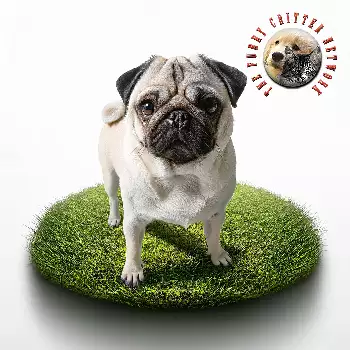
The Pug is a compact, square-proportioned toy breed that embodies the Latin phrase multum in parvo, meaning a lot in a little. This sturdy companion typically stands between 10 and 13 inches at the shoulder and weighs between 14 and 18 pounds, with males and females falling within the same range. Despite being classified as a toy breed, Pugs possess substantial bone structure and well-developed musculature that gives them a surprisingly solid presence. The body should be short and cobby with a wide chest and well-sprung ribs, creating the characteristic compact silhouette that defines the breed. The head of the Pug is its most distinctive feature, presenting as large and round with a flat, brachycephalic face. The muzzle is short, blunt, and square, with the lower jaw slightly undershot. Deep, pronounced wrinkles cover the forehead and face, with the vertical wrinkle on the forehead traditionally said to resemble the Chinese character for prince. The large, round eyes are dark and prominent, giving the breed its characteristic soft, solicitous expression. The ears are thin and small, folding either in the rose style, where the ear folds over showing the inner burr, or the preferred button style, where the ear flaps forward with the tip lying close to the skull. The coat of the Pug is fine, smooth, short, and glossy, lying close to the body without being harsh or woolly. Accepted colors include silver, apricot-fawn, fawn, and black, with the lighter colors displaying clear contrast between the body color and the black mask and trace. The trace is a dark line extending from the back of the skull to the base of the tail. The tail is tightly curled over the hip, with a double curl being particularly prized. The overall impression should be one of symmetry and hardness of muscle, presenting a dog that appears square and cobby while maintaining a clean and pleasing outline.
Key Characteristics
Temperament Temperament Temperament Temperament Temperament Temperament While Pugs are intelligent and capable of learning commands, they possess a stubborn streak that can make training challenging. They respond best to positive reinforcement methods with frequent food rewards, as many Pugs are highly food-motivated. Training sessions should be kept short and engaging to maintain the Pug's interest. The breed has moderate energy levels and is content with relatively brief exercise sessions, making them well-suited to apartment living and less active households. Pugs are not excessive barkers, though they will alert to unusual occurrences, and their expressive faces seem capable of conveying an impressive range of emotions to their attentive owners.
Health Considerations Health Considerations Health Considerations Health Considerations Health Considerations Health Considerations Orthopedic problems including patellar luxation and hip dysplasia affect Pugs despite their relatively small size, often exacerbated by the breed's tendency toward obesity. Pug Dog Encephalitis is a devastating neurological condition unique to the breed, causing brain inflammation that typically proves fatal. This condition primarily affects young to middle-aged Pugs and has no known cure, though genetic testing is helping identify carriers. Skin fold dermatitis requires daily attention to keep facial wrinkles clean and dry to prevent bacterial and yeast infections. The breed has an average lifespan of 12 to 15 years, though many health conditions can impact longevity if not properly managed through preventive care and regular veterinary monitoring.
Smooth Fox Terrier

The Smooth Fox Terrier is a compact, well-balanced dog that presents an elegant yet athletic appearance. Males typically stand between 14 and 16 inches at the shoulder and weigh 15 to 20 pounds, while females measure 13 to 15 inches and weigh 13 to 18 pounds. The breed exhibits a square, symmetrical build with a body length roughly equal to its height, creating harmonious proportions. The head is distinctive with a flat, moderately narrow skull that tapers gradually toward the eyes, featuring a slight stop and a muzzle that narrows to a black nose. The dark, moderately small eyes are circular and set deep, conveying an expression of fire, life, and intelligence that epitomizes the terrier spirit. The coat of the Smooth Fox Terrier is short, flat, dense, and abundant with a hard texture that provides protection during outdoor activities. The predominant color is white, covering at least half of the body, with markings of black, tan, or a combination of both colors. These markings are typically found on the head and ears, though some individuals may display patches on the body as well. A completely white coat without markings is also acceptable within breed standards. The V-shaped ears fold forward close to the cheeks, sitting well above the skull level and adding to the breed's alert expression. The Smooth Fox Terrier carries itself with considerable style and grace, displaying straight, well-boned legs and round, compact feet with tough pads. The tail is traditionally set high and carried erect, giving the dog an attentive and ready-for-action appearance. The neck is thick, muscular, and of good length, blending smoothly into well-laid-back shoulders. Overall, the breed exemplifies the terrier ideal of combining substance with elegance, presenting a dog that is equally suited to the show ring and active fieldwork.
Key Characteristics
Temperament Temperament Temperament Temperament Temperament Temperament Smooth Fox Terriers are naturally alert and make excellent watchdogs, readily announcing the approach of strangers with confident barking. While they may be reserved initially with unfamiliar people, they are not typically aggressive. Their interactions with other dogs require careful management, as the breed can display typical terrier tenacity and may challenge dogs of any size. These spirited companions require substantial daily exercise and mental stimulation to prevent boredom-related behaviors such as excessive barking or destructiveness.
Health Considerations Health Considerations Health Considerations Health Considerations Health Considerations Health Considerations Neurological conditions affecting the breed include wobbler syndrome, which causes compression of the spinal cord in the neck region, leading to an unsteady gait and coordination problems. Deafness can occur in individuals with predominantly white coats, a condition linked to the genetics responsible for the white coloring. Responsible breeders conduct BAER testing to screen for hearing deficits. Cardiac evaluations are also recommended, as some Smooth Fox Terriers may develop heart conditions. Prospective owners should seek breeders who perform health testing on breeding stock to minimize the risk of these hereditary conditions.
Important to Remember
Each hybrid dog is unique and may inherit any combination of traits from either parent breed. The information above represents the characteristics of the purebred parent breeds. Your Smooth Poxer may favor one parent over the other or display a blend of both. We strongly encourage you to read the complete breed profiles for both the Pug and Smooth Fox Terrier to fully understand the range of possible temperaments, health concerns, and care requirements.