Skypoo
The Skypoo is a cross between the Poodle and the Skye Terrier. Because each hybrid inherits a unique combination of traits from both parents, we recommend thoroughly researching both breeds before choosing a Skypoo. Pay special attention to temperament, health issues, and care requirements, as your dog may express characteristics from either parent breed.
Poodle

The Poodle exists in three recognized size varieties that share identical conformation standards scaled to different dimensions. Standard Poodles stand over fifteen inches at the shoulder, Miniature Poodles measure between ten and fifteen inches, and Toy Poodles stand ten inches or under. Despite these size variations, all Poodles present an elegant, athletic build characterized by a long, refined muzzle, dark oval-shaped eyes that convey alert intelligence, and long, heavily feathered ears that hang close to the head. The overall appearance suggests an active, well-proportioned dog built for both beauty and function, reflecting the breed's origins as a skilled water retriever. The Poodle's coat stands as its most distinctive characteristic, consisting of a thick, curly, dense texture that is unique among dog breeds. Unlike most dogs that have fur, Poodles possess hair that grows continuously and falls back into the coat rather than shedding onto furniture and floors, contributing to their reputation as a lower-allergen breed. The coat can be maintained in various clips, from the elaborate Continental and English Saddle styles required in the show ring to simpler pet clips that are easier to maintain. Some Poodles display corded coats where the tight curls form into long rope-like strands resembling dreadlocks. The coat comes in a remarkable array of solid colors including black, white, blue, brown, gray, silver, apricot, cream, red, and café au lait. The breed moves with a springy, lively gait that demonstrates remarkable athleticism and grace. The topline is level from the highest point of the shoulder to the base of the tail, with the chest deep and moderately wide. The tail is set high and carried up, traditionally docked in countries where the practice remains legal, though many jurisdictions now prohibit this procedure. The overall impression is of a proud, elegant dog that carries itself with dignity and distinction. Whether clipped for the show ring or maintained in a practical working trim, the Poodle's combination of intelligence, athleticism, and distinctive appearance has made it one of the world's most recognized and beloved breeds.
Key Characteristics
Temperament Temperament Temperament Temperament Temperament Temperament Poodles maintain a dignified, proud bearing that reflects their aristocratic history in European courts, yet this elegance coexists with a playful, sometimes clownish personality that delights owners with entertaining antics. They can be vocal dogs, ready to bark alerts at unusual sounds or visitors, which makes them reasonable watchdogs though not guard dogs. Without adequate exercise and mental engagement, Poodles may channel their considerable intelligence into mischief, so owners should provide regular activities that challenge both body and mind. Their versatility, intelligence, and adaptable temperament have made Standard, Miniature, and Toy Poodles suitable companions for a wide range of lifestyles, from active individuals to families to seniors seeking devoted companionship.
Health Considerations Health Considerations Health Considerations Health Considerations Health Considerations Health Considerations Bloat, or gastric dilatation-volvulus, poses a serious risk primarily to Standard Poodles, occurring when the stomach fills with gas and potentially twists on itself, creating a life-threatening emergency requiring immediate veterinary intervention. Feeding multiple smaller meals and avoiding exercise immediately after eating may help reduce risk. Von Willebrand's disease, a bleeding disorder, epilepsy, and various allergies and skin conditions also occur within the breed. Ear infections are common due to the breed's heavy ear feathering and the tendency for moisture to become trapped in the ear canal. Regular veterinary care, appropriate health screening of breeding dogs, and awareness of breed-specific conditions help ensure Poodles enjoy their characteristically long, healthy lives.
Skye Terrier
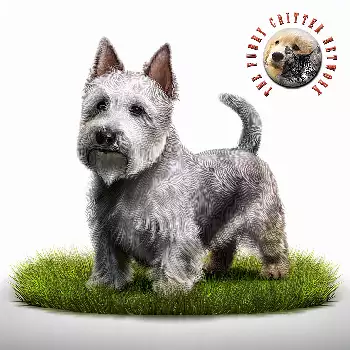
The Skye Terrier presents one of the most distinctive silhouettes in the canine world, characterized by an unusually long, low body that measures twice as long as the dog is tall. Standing only nine to ten inches at the shoulder yet weighing a substantial twenty-five to forty pounds, this medium-sized terrier possesses remarkable bone and muscle for its height. The breed's body is level and lengthy, supported by short, sturdy legs that were developed for pursuing vermin into underground dens on the rocky Isle of Skye in Scotland. The head is long and powerful with a moderate stop, featuring a strong muzzle and a black nose, creating a fox-like appearance that is both elegant and functional. The breed's magnificent double coat is perhaps its most celebrated feature, with an outer coat that is hard, straight, and flat, reaching a length of five and a half inches or more, while the undercoat remains short, soft, and woolly. This luxurious coat covers the entire body, including heavily feathered legs and a well-plumed tail. The hair parts naturally down the middle of the back and hangs straight on either side, veiling the eyes while still allowing sight. Acceptable coat colors include black, various shades of gray from dark to silver, and lighter shades including fawn and cream, with the ears, muzzle, and tail tip typically displaying darker coloration unless the overall coat is black. The Skye Terrier may display either of two distinct ear types, both considered equally correct by breed standards. Prick ears stand erect, set high on the skull with their outer edges slightly wider at the base, while drop ears are larger and hang flat against the head. Both ear types are heavily feathered, blending beautifully with the coat. The dark brown eyes are set close together and convey an expression of intelligence and loyalty. The tail is long and well-feathered, hanging when at rest but raised no higher than the backline when the dog is alert or moving. The overall impression is of an elegant, dignified dog whose glamorous appearance belies its working terrier heritage.
Key Characteristics
Temperament Temperament Temperament Temperament Temperament Temperament Despite their working terrier origins, Skye Terriers are notably calmer than many of their terrier cousins, adapting well to quieter household environments while still enjoying moderate activity. They are intelligent dogs with a strong-willed, independent streak that can make training challenging for inexperienced owners. These dogs think for themselves and are not naturally submissive, requiring patient, consistent training methods that respect their dignity. They respond poorly to harsh corrections but flourish with positive, reward-based approaches. While devoted to their families, Skye Terriers may not tolerate rough handling and are best suited to homes with older, respectful children. Their strong prey drive means they should be supervised around smaller animals, and they may display territorial behavior toward other dogs.
Health Considerations Health Considerations Health Considerations Health Considerations Health Considerations Health Considerations Additional health concerns include hypothyroidism, which affects metabolic function and can cause weight gain, lethargy, and skin problems, and von Willebrand's disease, a bleeding disorder affecting clotting ability. Eye problems and kidney or liver disease may also affect the breed. Regular veterinary care, including screening for the specific conditions prevalent in this breed, is essential for maintaining health. The breed's long, low structure also makes them susceptible to intervertebral disc issues, so maintaining appropriate weight and avoiding activities that stress the spine helps protect their long-term mobility and comfort.
Important to Remember
Each hybrid dog is unique and may inherit any combination of traits from either parent breed. The information above represents the characteristics of the purebred parent breeds. Your Skypoo may favor one parent over the other or display a blend of both. We strongly encourage you to read the complete breed profiles for both the Poodle and Skye Terrier to fully understand the range of possible temperaments, health concerns, and care requirements.