Skip-Shzu
The Skip-Shzu is a cross between the Schipperke and the Shih Tzu. Because each hybrid inherits a unique combination of traits from both parents, we recommend thoroughly researching both breeds before choosing a Skip-Shzu. Pay special attention to temperament, health issues, and care requirements, as your dog may express characteristics from either parent breed.
Schipperke
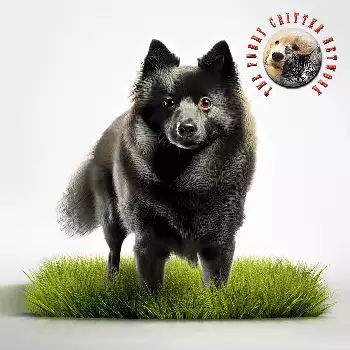
The Schipperke is a compact, small breed that presents a distinctive silhouette characterized by a fox-like face and a sturdy, square-bodied frame. Standing between ten and thirteen inches at the shoulder and weighing ten to sixteen pounds, this breed possesses a dense, muscular body accentuated by its unique coat pattern. The head features small, oval, dark brown eyes that convey an alert and curious expression, complemented by small, triangular, erect ears set high on the skull. The muzzle tapers to a small black nose, completing the fox-like appearance that makes this breed so recognizable. The breed may be born tailless or with a partial tail, though historically tails were often docked very short. The Schipperke's coat is one of its most striking features, consisting of a double layer that creates its signature appearance. The undercoat is short, soft, and particularly dense around the ruff area, while the outer coat is straight, abundant, and slightly harsh to the touch. This distinctive coat creates the breed's famous silhouette, with longer hair forming a pronounced ruff around the neck, a cape extending down the shoulders, culottes on the back of the thighs, and a jabot at the center of the chest extending between the front legs. The hair lies flat along the back from behind the cape through the rump. The coat should never appear silky. The breed standard primarily recognizes jet black as the ideal color, with a matching black nose. However, cream-colored Schipperkes also exist, ranging from pale ivory through various shades of cream, fawn, and gold to light red, with either black or dark brown noses. The breed moves with a short, brisk stride that reflects its active and lively nature. This small but surprisingly powerful dog carries itself with confidence, always appearing ready for action despite its compact size.
Key Characteristics
Temperament Temperament Temperament Temperament Temperament Temperament Schipperkes thrive on activity and require mental stimulation to prevent boredom. They love to play and engage in various activities, including games and puzzles that challenge their intelligence. The breed adapts well to various environments and lifestyles but still enjoys frequent opportunities for play, work, or training. Socialization from an early age is essential to help these dogs feel confident around unfamiliar people, pets, and situations. While they can get along with other animals when properly introduced, their strong hunting instincts mean they should be watched around small animals that might trigger their prey drive.
Health Considerations Health Considerations Health Considerations Health Considerations Health Considerations Health Considerations Von Willebrand's disease, a bleeding disorder affecting normal blood clotting, has been identified in the breed, with some dogs being asymptomatic carriers while others may experience life-threatening bleeding episodes. Eye problems including progressive retinal atrophy and cataracts can also occur, with PRA potentially causing blindness as dogs age. Dental disease is common in many small breeds including Schipperkes, requiring regular dental care to prevent tartar buildup and subsequent infections. Responsible breeders utilize genetic testing for known conditions like MPS IIIB and von Willebrand's disease to reduce the incidence of these hereditary problems.
Shih Tzu
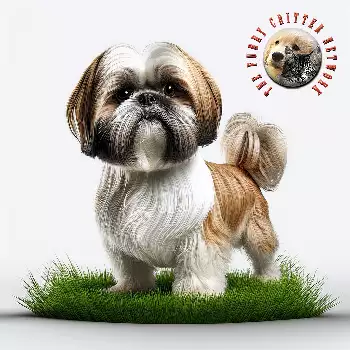
The Shih Tzu is a small, sturdy companion breed that presents a distinctive appearance characterized by its luxurious coat and characteristic flat face. Standing between eight and eleven inches tall at the shoulder and typically weighing nine to sixteen pounds, this breed possesses a solid, compact body that is slightly longer than it is tall. The head is broad and round with a warm, wide-eyed expression created by large, prominent dark eyes set well apart. The muzzle is short and flat, giving the breed its characteristic brachycephalic profile, while the large, heavily-feathered ears hang down against the head and blend into the coat. The Shih Tzu's coat is perhaps its most celebrated feature, consisting of a long, flowing double layer that can reach the ground when properly maintained. The outer coat is dense and luxurious, with a slight wave permissible but never curly. The undercoat provides insulation and support for the longer outer hair. This magnificent coat comes in virtually any color or pattern, though white with patches of black, tan, gray, or other colors is particularly common. The breed standard accepts all colorations, allowing for tremendous variety within the breed. A distinctive feature is the hair that grows upward on the bridge of the nose, creating the characteristic chrysanthemum-like appearance around the face. The tail is heavily plumed and carried in a graceful curve over the back, adding to the breed's elegant appearance. The breed moves with a smooth, flowing gait that showcases its proud carriage. Despite their glamorous appearance, Shih Tzus possess a sturdy build with good bone structure, reflecting their heritage as companion dogs bred for the Chinese imperial court. Their undershot jaw, with the lower teeth meeting in front of the upper teeth, is a breed characteristic rather than a fault. The overall impression is of a confident, dignified dog with an aristocratic bearing.
Key Characteristics
Temperament Temperament Temperament Temperament Temperament Temperament While intelligent and capable of learning, Shih Tzus can display a stubborn streak that may challenge training efforts. They respond best to patient, positive reinforcement methods rather than harsh corrections. This independent thinking is balanced by their genuine desire to please their owners and their playful spirit, which remains consistent throughout their lives. The breed's alertness makes them moderately effective watchdogs who will announce visitors, though they are fundamentally companion dogs rather than protectors. Their adaptable, good-natured temperament has made them one of the most popular toy breeds for families seeking an affectionate, engaging pet.
Health Considerations Health Considerations Health Considerations Health Considerations Health Considerations Health Considerations Additional health concerns include hypothyroidism, which affects metabolism and energy levels, and portosystemic shunts, a liver condition where blood bypasses normal filtration. Ear disorders occur with some frequency, likely related to the breed's heavy ear feathering that can trap moisture and debris. Anal sac impaction is another commonly reported issue requiring attention. The breed's size and structure also make them vulnerable to injury, particularly around larger dogs or active children. Regular veterinary checkups, attention to weight management, and awareness of heat sensitivity are important aspects of maintaining a Shih Tzu's health throughout their life.
Important to Remember
Each hybrid dog is unique and may inherit any combination of traits from either parent breed. The information above represents the characteristics of the purebred parent breeds. Your Skip-Shzu may favor one parent over the other or display a blend of both. We strongly encourage you to read the complete breed profiles for both the Schipperke and Shih Tzu to fully understand the range of possible temperaments, health concerns, and care requirements.