Ski-Border
The Ski-Border is a cross between the American Eskimo Dog and the Border Collie. Because each hybrid inherits a unique combination of traits from both parents, we recommend thoroughly researching both breeds before choosing a Ski-Border. Pay special attention to temperament, health issues, and care requirements, as your dog may express characteristics from either parent breed.
American Eskimo Dog

The American Eskimo Dog is a striking Nordic-type breed that comes in three distinct size varieties, each sharing the same beautiful proportions and characteristics. The Toy variety stands nine to twelve inches at the shoulder and weighs approximately six to ten pounds, while the Miniature measures twelve to fifteen inches and weighs ten to twenty pounds. The Standard variety is the largest, standing fifteen to nineteen inches tall and weighing twenty-five to forty pounds. Regardless of size, all American Eskimo Dogs present a compact, well-balanced body that is slightly longer than it is tall, combining strength with agility and alertness. The breed's most distinguishing feature is its magnificent double coat consisting of a dense undercoat and a longer outer coat of straight guard hairs that stand off from the body. The fur forms a pronounced ruff around the neck and shoulders, creating a lion-like mane that is more noticeable in males. The coat color is preferably pure white, though white with biscuit cream markings is also acceptable. The legs are well-feathered down to the hocks, and the profusely coated tail is carried loosely over the back when the dog is alert. The coat requires regular maintenance but sheds naturally and should never be trimmed except for tidying around the feet. The head exhibits the classic Spitz characteristics with a softly wedge-shaped skull, erect triangular ears set slightly back on the head, and medium-sized oval eyes that are typically dark brown. The expression conveys intelligence and alertness, with a bright, keen quality that is highly valued in the breed. Black pigmentation on the nose, lips, and eye rims provides striking contrast against the white coat. The American Eskimo Dog moves with a bold, energetic gait that covers ground efficiently while demonstrating the agility and endurance that made this breed a star performer in traveling circuses during the early twentieth century.
Key Characteristics
Temperament Temperament Temperament Temperament Temperament Temperament Despite their beautiful appearance and friendly demeanor, American Eskimo Dogs require owners who can provide strong, consistent leadership and maintain firm boundaries. Without proper guidance, they may attempt to assume the role of pack leader, which can result in behavioral problems. This breed has considerable energy and requires daily exercise including walks, play sessions, and opportunities to run freely in secure areas. Their vocal nature means they may bark more than some other breeds, which can be managed through training but should be considered by potential owners living in close proximity to neighbors.
Health Considerations Health Considerations Health Considerations Health Considerations Health Considerations Health Considerations Legg-Calve-Perthes disease occasionally affects American Eskimo Dogs, causing deterioration of the femoral head due to interrupted blood supply. This painful condition typically appears in young dogs and often requires surgical treatment for resolution. Dental disease requires attention in this breed, with regular brushing and professional cleanings helping to prevent periodontal problems. American Eskimo Dogs may also be prone to obesity if overfed or under-exercised, making weight management an important aspect of their overall health care. Epilepsy has been documented in the breed, though responsible breeding practices have helped reduce its prevalence.
Border Collie
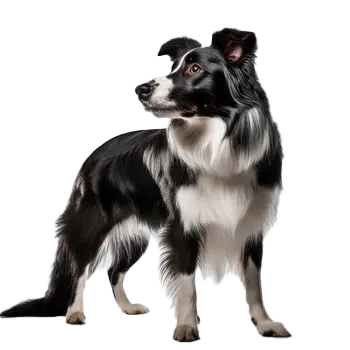
The Border Collie is a well-balanced, medium-sized dog of athletic appearance that combines grace, power, and agility in equal measure. Males typically stand nineteen to twenty-two inches at the withers while females measure eighteen to twenty-one inches, with weights ranging from thirty to fifty-five pounds depending on height and build. The body is slightly longer than it is tall, presenting a hard, muscular frame that conveys an impression of effortless movement and endless endurance suited to long days working livestock. Every aspect of the Border Collie's structure reflects its development as the world's premier sheepherding dog, bred for function above all else. Two coat varieties exist within the breed, both featuring weather-resistant double coats with a softer, dense undercoat and a straight or slightly wavy outer coat of coarser texture that protects against harsh weather conditions. The rough-coated variety displays medium-length fur with feathering on the forelegs, haunches, chest, and underside, while the smooth variety has shorter hair throughout with minimal feathering. Neither coat type is preferred over the other in the breed standard. Border Collies appear in virtually all colors and patterns, with black and white being the most commonly recognized, though merle, tricolor, sable, and solid colors all occur. White markings should not predominate over the primary body color. The Border Collie's head is moderately broad with a distinct stop and a muzzle tapering to the nose, which should be the same color as the primary body color. The most striking feature is the breed's keen, alert expression, characterized by an intense gaze known as the herding eye that Border Collies use to control livestock through intimidation rather than force. The oval eyes are typically brown in most colors but may be blue or partially blue in dogs with merle coloring. Medium-sized ears are set well apart and carried erect or semi-erect, adding to the breed's trademark alert and intelligent appearance that is essential to the breed's character.
Key Characteristics
Temperament Temperament Temperament Temperament Temperament Temperament Border Collies excel in virtually every canine sport and activity including agility, obedience, flyball, disc dog, and herding trials, where their speed, responsiveness, and eagerness to please make them consistent top performers. They respond best to positive reinforcement training methods and enjoy the mental challenge of learning new skills. However, their sensitivity means they do not tolerate harsh corrections well and may become withdrawn or anxious if treated roughly. This breed requires a commitment of time and energy that exceeds most other dogs and is best suited for experienced owners with active lifestyles who understand the unique demands of living with such an intensely driven canine.
Health Considerations Health Considerations Health Considerations Health Considerations Health Considerations Health Considerations Trapped Neutrophil Syndrome is a fatal genetic condition unique to Border Collies where the bone marrow produces white blood cells but cannot release them into the bloodstream, leaving affected puppies unable to fight infections. Neuronal Ceroid Lipofuscinosis causes progressive neurological decline with symptoms appearing around fifteen to twenty months of age. The MDR1 gene mutation affecting drug sensitivity impacts approximately seventy-five percent of Border Collies, making them susceptible to adverse reactions from certain common veterinary medications. Border Collie Collapse causes episodes of collapse during intense exercise or excitement, requiring management of activity levels in affected dogs.
Important to Remember
Each hybrid dog is unique and may inherit any combination of traits from either parent breed. The information above represents the characteristics of the purebred parent breeds. Your Ski-Border may favor one parent over the other or display a blend of both. We strongly encourage you to read the complete breed profiles for both the American Eskimo Dog and Border Collie to fully understand the range of possible temperaments, health concerns, and care requirements.