Silky-Pin
The Silky-Pin is a cross between the Miniature Pinscher and the Silky Terrier. Because each hybrid inherits a unique combination of traits from both parents, we recommend thoroughly researching both breeds before choosing a Silky-Pin. Pay special attention to temperament, health issues, and care requirements, as your dog may express characteristics from either parent breed.
Miniature Pinscher
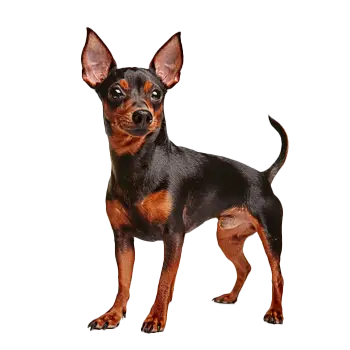
The Miniature Pinscher is a small, sturdy, and well-balanced dog that stands between ten and twelve and a half inches at the shoulder, with the ideal height being eleven to eleven and a half inches. Despite the common misconception, this breed is not a miniaturized Doberman Pinscher but rather a distinct breed with its own history and development. The Miniature Pinscher typically weighs between eight and ten pounds, presenting a compact, short-coupled appearance with a smooth, elegant outline. The body is square or slightly rectangular, with the length from forechest to the point of the rump being equal to or slightly greater than the height at the withers. The breed displays a proud carriage and carries itself with a confident, self-assured demeanor. The head is elongated and wedge-shaped, appearing flat and tapered when viewed from the front. The skull is in proportion to the body, with a slight stop as the muzzle transitions into the skull area. The muzzle is strong and well-developed rather than fine or delicate. The eyes are dark and oval-shaped, giving an alert and intelligent expression. The ears are set high and may be cropped to stand erect or left natural, in which case they fold forward or may stand erect. The nose is black except in chocolate-colored dogs where it may be self-colored. The neck is slightly arched and blends smoothly into the well-angulated shoulders. The Miniature Pinscher's coat is smooth, short, hard, and lustrous, lying close to the body without any undercoat. Acceptable colors include solid clear red, stag red which features red with intermingled black hairs, and black or chocolate with sharply defined rust-red markings on specific areas including the cheeks, lips, throat, chest, legs, and above the eyes. The breed's most distinctive feature is its characteristic hackney-like gait, a high-stepping, prancing movement that resembles the action of a hackney horse. This lively, animated movement gives the Miniature Pinscher its spirited appearance and has earned the breed the nickname King of Toys in recognition of its proud bearing and confident personality.
Key Characteristics
Temperament Temperament Temperament Temperament Temperament Temperament The Miniature Pinscher's fearless nature means it may not recognize size differences when interacting with larger dogs, potentially putting itself in dangerous situations. The breed can be scrappy with other dogs and may attempt to dominate regardless of size. With their families, Miniature Pinschers are affectionate and loyal, enjoying cuddling as much as playtime. They can be demanding of attention and may develop behavioral issues if left alone for extended periods. This breed is typically not recommended for families with very young children due to its small size and sometimes intolerant nature.
Health Considerations Health Considerations Health Considerations Health Considerations Health Considerations Health Considerations Mucopolysaccharidosis Type VI is a rare but serious metabolic storage disease identified in the breed, causing skeletal abnormalities. Dental disease is common due to the breed's small mouth, making regular dental care essential. The smooth, short coat provides minimal insulation, making Miniature Pinschers sensitive to cold temperatures and requiring protection in winter weather. Obesity can be a concern if diet and exercise are not carefully managed, as excess weight exacerbates joint problems. Regular veterinary checkups, maintaining a healthy weight, and genetic screening by breeders help ensure these spirited little dogs enjoy long, active lives.
Silky Terrier
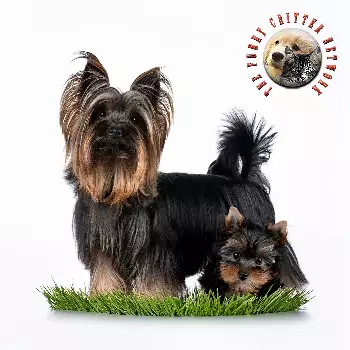
The Silky Terrier is a small, elegant toy breed that stands approximately nine to ten inches at the shoulder and weighs between eight and ten pounds. Despite its refined appearance, this breed possesses a sturdy, well-balanced structure with moderate bone and a body that is slightly longer than it is tall. The overall silhouette presents a dog that is compact without being cobby, displaying the characteristic terrier build of strength and agility. The breed has a wedge-shaped head with a flat skull that tapers toward the muzzle, featuring a shallow stop and a strong jaw. The small, almond-shaped eyes are dark in color with dark rims, conveying an expression of keen intelligence and alertness. The breed's most distinctive feature is its single coat, which is straight, flat, fine, glossy, and silky in texture, typically reaching five to six inches in length. Unlike the closely related Yorkshire Terrier, the Silky Terrier's coat should not touch the ground. The coat parts naturally down the center of the back and requires regular grooming to maintain its lustrous appearance. The breed displays a characteristic blue and tan coloration, with the blue ranging from silver to deep slate and the tan being a rich, warm shade. Puppies are born black and tan, with the coat color developing and lightening as they mature past eighteen months of age. The hair on the head may form a topknot that should be lighter than the body coloring. The Silky Terrier has small, V-shaped ears that are set high on the head and carried erect, contributing to the breed's alert expression. The tail is traditionally docked and set high, carried at an angle. The feet are small and catlike with compact, well-cushioned pads. One of the breed's most notable characteristics is its distinctive hackney-like gait, displaying a light-footed, lively movement with strong forward momentum. This high-stepping action gives the Silky Terrier a proud, spirited appearance that reflects its confident and energetic personality.
Key Characteristics
Temperament Temperament Temperament Temperament Temperament Temperament While the Silky Terrier enjoys cuddling with family members, this typically occurs after their exercise and mental stimulation needs have been met. The breed requires more activity than many toy breeds and can become bored and destructive if under-stimulated. They are known diggers and may escape from unsecured yards. Silky Terriers can be scrappy with other dogs and may attempt to assert dominance regardless of the other dog's size. Early socialization is essential to help them develop appropriate social skills.
Health Considerations Health Considerations Health Considerations Health Considerations Health Considerations Health Considerations Additional health concerns include collapsing trachea, a condition where the cartilage rings supporting the windpipe weaken and cause a characteristic honking cough. Epilepsy has been reported in the breed, typically appearing between two and five years of age and requiring lifelong medication management. Hypothyroidism can cause weight gain, lethargy, and skin problems. The breed's silky single coat lacks an undercoat and provides minimal insulation, making Silky Terriers sensitive to cold temperatures. Regular veterinary checkups and maintaining a healthy weight help ensure these spirited companions enjoy long, active lives.
Important to Remember
Each hybrid dog is unique and may inherit any combination of traits from either parent breed. The information above represents the characteristics of the purebred parent breeds. Your Silky-Pin may favor one parent over the other or display a blend of both. We strongly encourage you to read the complete breed profiles for both the Miniature Pinscher and Silky Terrier to fully understand the range of possible temperaments, health concerns, and care requirements.