Silky Jack
The Silky Jack is a cross between the Jack Russell Terrier and the Silky Terrier. Because each hybrid inherits a unique combination of traits from both parents, we recommend thoroughly researching both breeds before choosing a Silky Jack. Pay special attention to temperament, health issues, and care requirements, as your dog may express characteristics from either parent breed.
Jack Russell Terrier

The Jack Russell Terrier is a sturdy, tough, and athletic working terrier that presents a compact and balanced image. Height varies depending on the registry, with the Jack Russell Terrier Club of America standard allowing dogs between ten and fifteen inches at the withers, while other registries specify different ranges. Weight typically falls between thirteen and seventeen pounds, with the body length in proportion to the height to maintain the breed's characteristic balanced silhouette. These dogs are muscular and flexible, built for the demanding work of following foxes underground and bolting them from their dens. The coat comes in three varieties: smooth, rough, and broken, which is an intermediate type combining characteristics of both. All coat types are dense and weather-resistant, providing protection from the elements and undergrowth during hunting activities. The coloration is predominantly white, which must account for more than fifty-one percent of the body, with markings in black, tan, brown, or combinations thereof. Brindle markings are considered unacceptable according to breed standards. The smooth coat requires minimal grooming with weekly brushing, while rough and broken coats benefit from hand-stripping to remove dead hairs and maintain proper texture. The head is well-proportioned and balanced, with a flat skull of moderate width that narrows toward the eyes. There is a defined but not overpronounced stop, and the muzzle is strong with powerful jaws and a black nose. The eyes are dark, almond-shaped, and full of life and intelligence, conveying the keen, alert expression characteristic of the breed. The ears are small, V-shaped, and carried either as button ears that fold forward or drop ears, with the tip not extending past the outer corner of the eye when alert. The tail is traditionally docked to provide a handhold for pulling the terrier from a fox's burrow, though docking is now optional and varies by region. The overall appearance should be that of an active, lively dog that is always ready for action.
Key Characteristics
Temperament Temperament Temperament Temperament Temperament Temperament Despite their intensity, Jack Russell Terriers are affectionate and loyal to their families, forming strong bonds with their owners. They are typically friendly toward strangers but make excellent watchdogs, alerting their families to any unusual activity with their characteristic bark. They can be initially difficult to train and require consistent, patient handling from someone who understands terrier temperament. Their tendency to dig, jump, and climb means they require a well-secured yard, as they are capable escape artists. For active owners who can match their energy and appreciate their spirited nature, Jack Russells make entertaining and devoted companions.
Health Considerations Health Considerations Health Considerations Health Considerations Health Considerations Health Considerations Congenital deafness is more prevalent in Jack Russell Terriers than in some other breeds, and puppies should be tested early. The breed may also experience cerebellar ataxia, a neurological condition affecting coordination and balance. Epilepsy has been documented, as have skin allergies and dermatitis due to their relatively sparse fur in some coat varieties. Hip and elbow dysplasia, while less common than in larger breeds, can occur and cause mobility issues. Dental abnormalities and periodontal disease should be monitored with regular dental care. Responsible breeders conduct genetic testing and health screenings to reduce the incidence of hereditary conditions in their breeding programs.
Silky Terrier
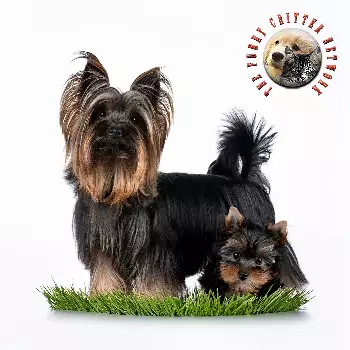
The Silky Terrier is a small, elegant toy breed that stands nine to ten inches at the shoulder and weighs between eight and eleven pounds, with ten pounds being considered ideal according to breed standards. Despite their diminutive size, these dogs possess a refined yet sturdy build with fine bone structure and sufficient substance to suggest the ability to hunt and dispatch home vermin. The body is moderately low-set and slightly longer than tall, creating a rectangular silhouette that contributes to their balanced and graceful appearance. The head is wedge-shaped with a flat skull that is not too wide between the ears, featuring a shallow stop and a strong, slightly shorter muzzle. The hallmark of the breed is their stunning coat, which is single-layered, straight, and possesses a distinctive silky texture that is both glossy and fine. The coat parts down the center of the back and flows gracefully along each side, typically reaching five to six inches in length. Coloration is a striking blue and tan pattern, with the blue ranging from silver blue to pigeon blue to slate blue, while the tan markings are deep and rich. The blue extends from the base of the skull to the tip of the tail, while tan appears on the muzzle, cheeks, around the base of the ears, on the legs, and around the vent area. The ears are small, V-shaped, and set high on the head, carried erect with pointed tips that give the breed an alert and intelligent expression. The eyes are small, dark, and almond-shaped, conveying a keen and piercing terrier expression. The tail is typically docked and carried high. Despite their luxurious coat, Silky Terriers are low-shedding, though they are not considered hypoallergenic. Their coat requires daily brushing to prevent matting and tangles, with regular bathing recommended monthly to maintain its characteristic silky texture.
Key Characteristics
Temperament Temperament Temperament Temperament Temperament Temperament Silky Terriers can display territorial behavior and may be aggressive with other dogs, particularly those of the same sex. Early socialization is crucial to help them develop appropriate interactions with other animals and people. They can be stubborn and may challenge their owners, requiring consistent training with positive reinforcement methods. Due to their assertive nature and tendency to be less tolerant of rough handling, they may not be the best choice for families with very young children. However, for owners who understand and appreciate the terrier temperament, the Silky Terrier makes a devoted, entertaining, and lively companion.
Health Considerations Health Considerations Health Considerations Health Considerations Health Considerations Health Considerations Dental disease is particularly common in Silky Terriers and many other toy breeds, with studies indicating that a significant percentage of dogs develop periodontal problems by age two. Regular dental cleanings and at-home oral care are essential to prevent tartar buildup, gum disease, and tooth loss. Tracheal collapse, a condition where the trachea weakens and narrows making breathing difficult, can also occur, particularly in overweight individuals. Epilepsy has been documented in the breed, along with allergies that may manifest as skin irritation and itching. Additionally, Silky Terriers may be prone to developing bladder and kidney stones. Maintaining a healthy weight, providing proper nutrition, and ensuring regular veterinary care all contribute to helping these terriers live long, healthy lives.
Important to Remember
Each hybrid dog is unique and may inherit any combination of traits from either parent breed. The information above represents the characteristics of the purebred parent breeds. Your Silky Jack may favor one parent over the other or display a blend of both. We strongly encourage you to read the complete breed profiles for both the Jack Russell Terrier and Silky Terrier to fully understand the range of possible temperaments, health concerns, and care requirements.