Silkshund
The Silkshund is a cross between the Dachshund and the Silky Terrier. Because each hybrid inherits a unique combination of traits from both parents, we recommend thoroughly researching both breeds before choosing a Silkshund. Pay special attention to temperament, health issues, and care requirements, as your dog may express characteristics from either parent breed.
Dachshund

The Dachshund is instantly recognizable by its unique elongated body and remarkably short legs, a distinctive silhouette that has earned it the affectionate nickname of wiener dog or sausage dog. This breed comes in two sizes: the standard variety weighing between sixteen and thirty-two pounds, and the miniature weighing eleven pounds or under at twelve months of age. Both sizes stand relatively low to the ground, typically measuring eight to nine inches at the shoulder, with a body length that is one and a half to two times the height. The breed's long, muscular body features a prominent breastbone, well-sprung ribs, and a level back that transitions smoothly into a slightly arched loin. The deep chest provides ample room for heart and lung capacity, essential for the breed's original purpose of pursuing prey into underground burrows. Dachshunds are bred in three distinct coat varieties, each with its own texture and grooming requirements. The smooth-coated variety features short, dense, shiny hair that lies close to the body and requires minimal maintenance. Longhaired Dachshunds display elegant, slightly wavy fur that is longer on the ears, chest, underside, and behind the legs, creating attractive feathering that requires regular brushing. The wirehaired variety sports a short, thick, rough outer coat with a finer undercoat, along with distinctive facial furnishings including a beard and bushy eyebrows. All three coat types come in a wide array of colors and patterns including solid red, cream, black and tan, chocolate and tan, wild boar, dapple, brindle, and piebald, offering tremendous variety within the breed. The Dachshund's head is elongated and clean-cut, tapering uniformly toward the tip of the nose when viewed from above or in profile. Eyes are medium-sized, almond-shaped, and dark in color, conveying an energetic and pleasant expression. Long, rounded ears are set near the top of the head and hang close to the cheeks, framing the face elegantly. The front legs are short and powerful with distinctive paddle-shaped feet that turn slightly outward, an adaptation that enhances digging ability. Hindquarters are well-muscled with good angulation, and the tail follows the line of the spine and is carried without excessive curvature. Movement should be fluid and ground-covering, with the front legs reaching forward without excessive lift and the hind legs providing strong drive.
Key Characteristics
Temperament Temperament Temperament Temperament Temperament Temperament Training a Dachshund requires patience, consistency, and a good sense of humor, as these dogs are notorious for their independent streak and occasional willful behavior. They respond best to positive reinforcement methods with plenty of tasty rewards, as harsh corrections may cause them to become more obstinate or fearful. Early socialization is essential to develop a well-rounded temperament, as undersocialized Dachshunds may become timid or overly suspicious of strangers. Their strong prey drive means they should always be leashed or in secure areas outdoors, as they will pursue small animals with single-minded determination. Dachshunds are playful and affectionate with their families, enjoying games and quality time with their people, though their delicate backs require careful handling to prevent injury.
Health Considerations Health Considerations Health Considerations Health Considerations Health Considerations Health Considerations Progressive retinal atrophy, a degenerative eye condition leading to eventual blindness, has been documented in the breed, and responsible breeders screen their breeding stock to reduce incidence. Epilepsy can occur in Dachshunds, causing seizures that typically require lifelong medication management. Dental disease develops commonly due to their small mouths, necessitating regular professional cleanings and home dental care. Dachshunds with dilute color coats, such as blue or isabella, may develop color dilution alopecia, a skin condition causing hair loss and skin problems. The typical lifespan ranges from twelve to sixteen years, with many individuals living well into their teens when properly cared for. Genetic testing is available for certain hereditary conditions, and purchasing from breeders who perform health screenings helps reduce the risk of inherited diseases.
Silky Terrier
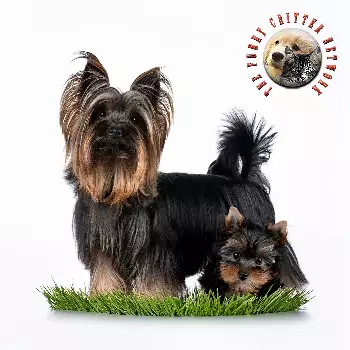
The Silky Terrier is a small, elegantly built toy breed that stands between nine and ten inches at the shoulder and typically weighs between eight and eleven pounds. Despite their diminutive size, these dogs possess a refined yet sturdy structure with moderate bone and well-developed musculature throughout their compact frame. The body is characteristically low-set with a level topline, presenting a silhouette that is approximately twenty percent longer than the dog is tall, creating a balanced rectangular appearance. The wedge-shaped head is moderately long with a flat skull between the ears, featuring a shallow stop and a strong muzzle that is slightly shorter than the skull length. Small, dark, almond-shaped eyes express an alert and intelligent demeanor, while V-shaped ears stand erect and are set high on the head. The breed's most distinctive feature is its magnificent single coat, which grows to approximately five to six inches in length and parts naturally down the center of the back from head to tail. The coat texture is fine, glossy, and silky to the touch, flowing smoothly along the body without obscuring the dog's outline or impeding movement. Unlike some similar toy breeds, the Silky Terrier's coat should never reach floor length or appear excessive. The accepted coloration is blue and tan, with puppies born black and tan before gradually transitioning to their adult blue coloring as they mature, typically by eighteen months of age. The blue can range from light silver to deep slate, while the tan markings appear as rich, warm tones on the face, ears, legs, and under the tail. Additional physical characteristics include small, catlike feet with well-arched toes and dark nails, along with a high-set tail that is traditionally docked where permitted. The neck is gracefully arched and flows smoothly into well-laid-back shoulders, contributing to the breed's elegant carriage. Front legs are straight and refined, while hindquarters display good angulation for efficient movement. The Silky Terrier's gait is light-footed and lively, demonstrating strong forward reach and drive while maintaining a level topline throughout motion.
Key Characteristics
Temperament Temperament Temperament Temperament Temperament Temperament Despite their small stature, Silky Terriers have abundant energy and require regular exercise and mental engagement to remain well-behaved and content. They can adapt well to apartment living provided they receive adequate daily activity and stimulation, but boredom may lead to excessive barking or destructive behaviors such as digging. Training should be approached with patience and positive reinforcement methods, as these sensitive yet sometimes stubborn dogs respond poorly to harsh corrections. Their intelligence makes them quick learners when motivated, though their independent terrier mindset occasionally leads them to test boundaries. They generally do well with older, respectful children but may not tolerate rough handling from younger children.
Health Considerations Health Considerations Health Considerations Health Considerations Health Considerations Health Considerations Dental disease is particularly prevalent in toy breeds including the Silky Terrier, with their small mouths often leading to crowding and accelerated tartar buildup. Establishing a consistent dental care routine including regular professional cleanings is essential for maintaining oral health and preventing secondary complications. Portosystemic shunts, abnormal blood vessels that bypass the liver, can occur in this breed and may cause neurological symptoms, poor growth, or digestive issues. Additionally, Silky Terriers may develop allergies that manifest as skin irritation, itching, or ear infections. Responsible breeders screen their breeding stock for heritable conditions and provide health clearances, helping reduce the incidence of genetic diseases in their puppies.
Important to Remember
Each hybrid dog is unique and may inherit any combination of traits from either parent breed. The information above represents the characteristics of the purebred parent breeds. Your Silkshund may favor one parent over the other or display a blend of both. We strongly encourage you to read the complete breed profiles for both the Dachshund and Silky Terrier to fully understand the range of possible temperaments, health concerns, and care requirements.