Siberian Cocker
The Siberian Cocker is a cross between the Cocker Spaniel and the Siberian Husky. Because each hybrid inherits a unique combination of traits from both parents, we recommend thoroughly researching both breeds before choosing a Siberian Cocker. Pay special attention to temperament, health issues, and care requirements, as your dog may express characteristics from either parent breed.
Cocker Spaniel
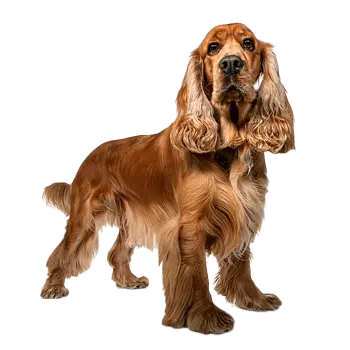
The Cocker Spaniel is the smallest member of the sporting group, presenting a sturdy and compact build that belies its athletic heritage as a skilled hunting companion. Males typically stand around 15 inches at the shoulder and weigh between 25 to 30 pounds, while females are slightly smaller at approximately 14 inches tall and 20 to 25 pounds. The breed exhibits a well-balanced frame with a refined head featuring a rounded skull, broad square muzzle, and expressive dark eyes that convey an alert yet gentle expression. The body structure includes a sloping topline that descends gently from shoulder to tail, creating the distinctive silhouette that breed enthusiasts find so appealing and immediately recognizable. The Cocker Spaniel's coat is one of its most distinguishing features, consisting of silky, flat, or slightly wavy hair that should never appear curly or cottony in texture. The breed displays an impressive variety of colors including solid black, various shades of red, golden, and tan, as well as liver tones. Parti-colored Cockers showcase two or more distinct colors in clearly defined markings, while roan patterns create beautiful mottled effects. The ears are long, well-feathered, and set low on the head, framing the face beautifully and requiring regular attention to prevent matting. Abundant feathering also appears on the chest, abdomen, and legs, giving the breed an elegant appearance that requires consistent grooming maintenance. The overall expression of the Cocker Spaniel should be intelligent, alert, and appealing, reflecting the breed's happy and willing nature. The breed carries itself with a free and merry gait, demonstrating the athletic capability and drive inherited from generations of field work. The tail, which is customarily docked in countries where this practice remains legal, wags continuously and reflects the breed's perpetually happy disposition. Despite their glamorous appearance, Cocker Spaniels retain the substance and structure necessary for a full day's hunting, remaining true to their sporting heritage.
Key Characteristics
Temperament Temperament Temperament Temperament Temperament Temperament As sporting dogs bred to flush and retrieve game, Cocker Spaniels retain a moderate activity level and strong hunting instincts. They remain alert to birds and small animals during outdoor excursions and should be exercised on leash or in securely fenced areas. The breed generally gets along well with children, other dogs, and even cats when properly introduced. They form deep bonds with family members and can experience separation anxiety if left alone for extended periods, making them best suited for households where someone is home frequently to provide the companionship they crave.
Health Considerations Health Considerations Health Considerations Health Considerations Health Considerations Health Considerations Immune-mediated hemolytic anemia is a serious autoimmune condition observed in Cocker Spaniels where the immune system attacks red blood cells. Pancreatitis, involving inflammation of the pancreas, and familial nephropathy, a hereditary kidney disease, also affect the breed. Responsible breeding practices that include health screening of parent dogs can reduce the incidence of inherited conditions. Regular veterinary examinations, maintaining a healthy weight, and providing appropriate nutrition all contribute to maximizing the Cocker Spaniel's lifespan, which typically ranges from 10 to 14 years with proper care and early detection of health issues.
Siberian Husky
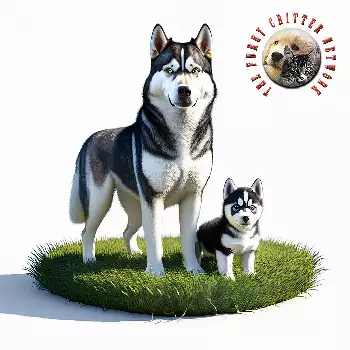
The Siberian Husky is a medium-sized working dog that embodies grace, power, and endurance in a beautifully balanced package designed for demanding arctic conditions. Males typically stand between 21 and 23.5 inches at the shoulder and weigh 45 to 60 pounds, while females are somewhat smaller at 20 to 22 inches tall and 35 to 50 pounds. The breed presents a moderately compact body with well-developed musculature that reflects its heritage as an endurance sled dog capable of pulling light loads over vast frozen distances at sustained speeds. The overall impression is one of effortless movement and natural athleticism without any suggestion of excessive weight or coarseness. The Siberian Husky's head is proportionate to the body, featuring a slightly rounded skull and a medium-length muzzle that tapers toward the nose with clean lines. The ears are medium-sized, triangular, and set high on the head, standing erect and adding to the breed's alert expression. Perhaps the most striking feature is the eyes, which may be brown, blue, or one of each color in a condition called heterochromia, and convey an expression that is keen, friendly, and sometimes mischievous. The nose can be black, liver, or flesh-colored depending on coat color, and a pink-streaked snow nose is acceptable during winter months. The breed's double coat is medium in length, consisting of a soft, dense undercoat and straight, smooth guard hairs that lie flat against the body without standing off. This weather-resistant coat comes in virtually all colors, from pure white to black, with a variety of markings on the head that are unique to the breed. Common patterns include caps, masks, and spectacle markings around the eyes that add to the breed's distinctive appearance. The well-furred tail resembles a fox brush and is carried in a graceful sickle curve over the back when the dog is alert, though it may trail behind when relaxed or working. The feet are oval-shaped with well-furred toes that provide protection against cold surfaces.
Key Characteristics
Temperament Temperament Temperament Temperament Temperament Temperament The breed's energy level is legendary, reflecting their background as endurance athletes capable of running for hours in harsh conditions. Siberian Huskies require substantial daily exercise and mental stimulation to prevent destructive behaviors born of boredom. They are accomplished escape artists, capable of digging under, climbing over, or finding weak points in fencing, so secure containment is essential. The breed is known for its vocalizations, including distinctive howling rather than barking, and their mischievous, playful nature persists well into adulthood, making them entertaining but demanding companions.
Health Considerations Health Considerations Health Considerations Health Considerations Health Considerations Health Considerations Several genetic conditions specific to Siberian Huskies have been identified through recent research. Shaking puppy syndrome type 1 causes tremors in young puppies that may resolve but can result in sudden death before age two. Siberian Husky polyneuropathy type 1 produces progressive gait abnormalities, weakness, and muscle wasting. Hyperuricosuria, caused by a mutation in the uric acid transporter gene, increases the risk of urate urinary stones, particularly in males. Responsible breeders screen for these conditions to reduce their occurrence. With appropriate care, regular veterinary attention, and genetic health testing of breeding stock, Siberian Huskies typically enjoy a lifespan of 12 to 14 years.
Important to Remember
Each hybrid dog is unique and may inherit any combination of traits from either parent breed. The information above represents the characteristics of the purebred parent breeds. Your Siberian Cocker may favor one parent over the other or display a blend of both. We strongly encourage you to read the complete breed profiles for both the Cocker Spaniel and Siberian Husky to fully understand the range of possible temperaments, health concerns, and care requirements.