Siberian Black Mouth Cur
The Siberian Black Mouth Cur is a cross between the Black Mouth Cur and the Siberian Husky. Because each hybrid inherits a unique combination of traits from both parents, we recommend thoroughly researching both breeds before choosing a Siberian Black Mouth Cur. Pay special attention to temperament, health issues, and care requirements, as your dog may express characteristics from either parent breed.
Black Mouth Cur

The Black Mouth Cur is a medium to large working dog that displays considerable variation in size due to the breed's development across different regions of the American South for diverse working purposes. Height ranges substantially from 16 to 25 inches at the shoulder, with males typically standing at least 18 inches and females at least 16 inches. Weight shows similar variability, spanning from approximately 35 pounds in smaller individuals to nearly 100 pounds in the largest specimens, though most fall somewhere between 40 and 80 pounds. This size variation reflects the breed's selection primarily for working ability rather than conformity to strict physical standards, with different lines developed for specific hunting or farm work requirements. The Black Mouth Cur presents a distinctly athletic and muscular appearance, conveying the power and stamina necessary for long days of demanding physical work. The body is well-proportioned with a deep chest that provides ample lung capacity, strong straight legs, and a sturdy frame that appears ready for action at any moment. The head is broad with a moderately defined stop and a strong, square muzzle that gives the breed its name when displaying the characteristic dark or black pigmentation around the mouth and muzzle, though some individuals lack this marking entirely. Medium-sized ears fold over and hang close to the head, contributing to an earnest and attentive expression. The tail may be naturally long or short, with many individuals historically having docked tails for work purposes. The coat of the Black Mouth Cur is short, dense, and close-lying, providing protection during outdoor work without requiring extensive maintenance. Coat texture varies from coarse and rough to finer and smoother, with both types appearing within the same litters. The predominant colors include various shades of yellow, fawn, and red, though brown, black, and brindle patterns also occur throughout the breed. While the dark muzzle is considered breed typical and gives the dog its name, the presence and extent of black pigmentation around the mouth varies considerably, and some purebred Black Mouth Curs display little or no dark muzzle coloring. White markings on the chest, feet, and tail tip are common and acceptable within the breed.
Key Characteristics
Temperament Temperament Temperament Temperament Temperament Temperament The energy level of the Black Mouth Cur demands serious consideration from potential owners. These are high-drive working dogs that require extensive daily exercise and mental engagement to remain content and well-behaved. A minimum of one hour of vigorous activity daily is typically recommended, though many individuals need considerably more. Without adequate outlets for their energy and working instincts, Black Mouth Curs may develop problematic behaviors including excessive barking, digging, and chewing. They excel in active households that can provide regular hiking, running, or structured activities. While generally gentle and patient with children in their own families, their size and energy level warrant supervision around young children. Their strong prey drive means careful introduction to smaller pets is essential, though they often coexist peacefully with animals they are raised alongside.
Health Considerations Health Considerations Health Considerations Health Considerations Health Considerations Health Considerations The Black Mouth Cur's active outdoor lifestyle and drop ears predispose the breed to ear infections, particularly when the dogs spend significant time swimming or working in wet conditions. Regular ear cleaning and inspection help prevent these infections from developing or progressing. Skin conditions including allergies and hot spots can affect some individuals, often related to environmental factors or sensitivities to certain foods. The breed's high activity level can lead to exercise-related injuries including sprains, strains, and cuts that require attention. Arthritis may develop in older dogs, particularly those with demanding working histories. Overall, the Black Mouth Cur is considered a healthy breed with a typical lifespan of 12 to 16 years when provided with appropriate nutrition, regular veterinary care, and the active lifestyle these dogs require for physical and mental well-being.
Siberian Husky
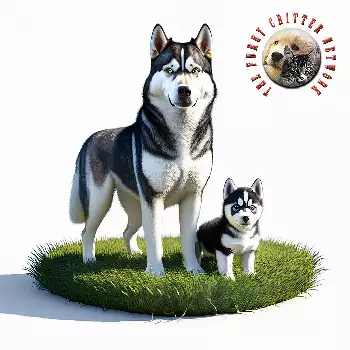
The Siberian Husky is a medium-sized working dog that presents a picture of balance, power, and endurance. Males typically stand between 21 and 23.5 inches at the shoulder and weigh 45 to 60 pounds, while females measure 20 to 22 inches in height and weigh 35 to 50 pounds. The breed's body is moderately compact with a length slightly greater than height, creating the rectangular outline characteristic of sled dogs built for efficient movement over great distances. The Siberian Husky moves with a smooth, effortless gait that reflects its heritage of pulling light loads at moderate speeds across vast frozen expanses, covering ground with minimal expenditure of energy. The head of the Siberian Husky is proportionate to the body, presenting a refined appearance with a medium-length muzzle that tapers gradually toward the nose. The breed's eyes rank among its most striking features, appearing in shades of blue, brown, or one of each color, and sometimes displaying particolored patterns within the same eye. The eyes are almond-shaped and set slightly obliquely, conveying an expression that is keen, friendly, and sometimes mischievous. Medium-sized triangular ears set high on the head and carried erect add to the breed's alert and interested expression. The well-furred tail resembles a fox brush and is carried in a graceful sickle curve when the dog is at attention, though it may trail behind when the dog is working or relaxed. The Siberian Husky's double coat provides essential protection against Arctic temperatures and represents one of the breed's defining characteristics. The undercoat is soft, dense, and sufficiently long to support the outer coat, while the outer coat consists of straight, smooth-lying guard hairs of medium length. The coat gives the dog a well-furred appearance without obscuring the clean-cut outline of the body. All colors and markings are permitted, ranging from pure white through various shades of gray, tan, and red to solid black, with most individuals displaying striking facial markings and white undersides. The breed sheds its dense undercoat profusely once or twice annually, requiring increased grooming during these periods.
Key Characteristics
Temperament Temperament Temperament Temperament Temperament Temperament The Siberian Husky's energy levels demand serious consideration from potential owners. These athletic dogs require substantial daily exercise and mental stimulation to remain content. Without adequate outlets for their energy, Huskies may develop destructive behaviors including excessive digging and legendary escape artistry. They can scale fences, dig under barriers, and find weaknesses in enclosures that would contain other breeds. Their strong prey drive means they cannot be trusted off-leash in unsecured areas, as the impulse to chase may override any training. Huskies are notably vocal, communicating through howls, yodels, and distinctive talking sounds rather than typical barking. They thrive in active households that can provide the physical and mental challenges these remarkable athletes require.
Health Considerations Health Considerations Health Considerations Health Considerations Health Considerations Health Considerations Additional health considerations include hypothyroidism, a condition where the thyroid gland produces insufficient hormones, leading to weight gain, lethargy, and skin problems that respond well to medication. Some Huskies experience zinc deficiency that manifests as skin lesions and hair loss, particularly around the face and footpads, requiring dietary supplementation. Follicular dysplasia can cause patchy hair loss. Epilepsy occurs in some lines, producing seizures that typically can be managed with medication. Uveodermatologic syndrome, an autoimmune condition affecting the eyes and skin, occurs at higher rates in Huskies than in most breeds. Despite these potential concerns, the Siberian Husky typically enjoys a lifespan of 12 to 14 years when provided with appropriate care, regular veterinary attention, and the active lifestyle the breed requires.
Important to Remember
Each hybrid dog is unique and may inherit any combination of traits from either parent breed. The information above represents the characteristics of the purebred parent breeds. Your Siberian Black Mouth Cur may favor one parent over the other or display a blend of both. We strongly encourage you to read the complete breed profiles for both the Black Mouth Cur and Siberian Husky to fully understand the range of possible temperaments, health concerns, and care requirements.