Shockerd
The Shockerd is a cross between the English Shepherd and the Cocker Spaniel. Because each hybrid inherits a unique combination of traits from both parents, we recommend thoroughly researching both breeds before choosing a Shockerd. Pay special attention to temperament, health issues, and care requirements, as your dog may express characteristics from either parent breed.
English Shepherd

The English Shepherd is a medium-sized herding dog that stands between 18 and 24 inches tall at the shoulder and typically weighs between 35 and 65 pounds, with males generally being larger than females. This breed possesses an athletic and well-proportioned build that is slightly longer than it is tall, reflecting its heritage as an agile working farm dog. The body is sturdy yet nimble, with a strong level back, well-sprung ribs, and a deep chest that provides ample lung capacity for sustained physical activity. The head is wedge-shaped with a moderately rounded skull, a defined stop, and a tapered muzzle of medium length. The oval-shaped eyes are typically brown and convey an alert, intelligent expression, while the wide-set ears are held semi-erect when the dog is attentive. The English Shepherd sports a medium-length double coat that is weather-resistant and dirt-repellent, making it well-suited for outdoor work in various conditions. The texture of the coat can range from straight to wavy, with some individuals displaying curly variations. A soft, dense undercoat provides insulation and sheds seasonally. Common coat color combinations include black and white, black and tan, tricolor consisting of black, tan and white, and sable with white markings. The breed often features a distinctive mane around the neck and feathering on the legs, chest, and ears. The tail is long and plume-like, typically carried below the horizontal when relaxed but raised when the dog is alert or working. The legs are straight and well-boned, with oval-shaped feet that provide good traction. English Shepherds move with purpose and confidence, displaying a smooth and efficient gait that reflects their working heritage. Unlike many breeds that were developed primarily for appearance, the English Shepherd was bred for function, which means there can be considerable variation in appearance from one individual to another while maintaining the breed's essential characteristics of athleticism and intelligence.
Key Characteristics
Temperament Temperament Temperament Temperament Temperament Temperament English Shepherds possess a strong sense of order and may attempt to herd family members, including children and other pets, by nipping at heels. Early training can help manage this behavior. They are sensitive dogs who respond best to positive reinforcement techniques and do not tolerate harsh correction well. These dogs require an owner who can provide clear boundaries and consistent direction while respecting their intelligent nature. They typically do well in homes where they can be active participants in family life rather than being left alone for extended periods.
Health Considerations Health Considerations Health Considerations Health Considerations Health Considerations Health Considerations Hypothyroidism, a condition where the thyroid gland does not produce adequate hormones, can occur in English Shepherds and may cause symptoms such as lethargy, weight gain, and skin problems. This condition is manageable with daily medication once diagnosed. To maintain optimal health, English Shepherds require regular veterinary checkups, a balanced diet appropriate for their activity level, and adequate exercise. Prospective owners should seek breeders who perform health testing on their breeding dogs and can provide documentation of health clearances for the parents.
Cocker Spaniel
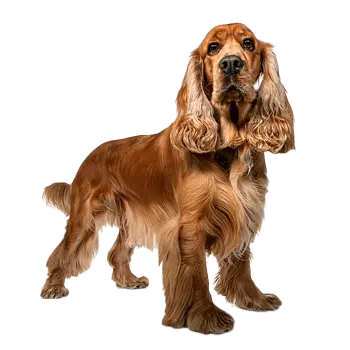
The Cocker Spaniel is the smallest member of the sporting dog group, standing between 13.5 and 15.5 inches tall at the shoulder and weighing between 20 and 30 pounds, with males typically slightly larger than females. This breed has a compact yet sturdy build that is well-balanced and capable of considerable speed and endurance in the field. The body is slightly longer than it is tall, with a deep chest that reaches to the elbows, well-sprung ribs, and a short, strong back. The Cocker Spaniel carries itself with an alert and ready-for-action demeanor that reflects its heritage as an active hunting companion. The head of the Cocker Spaniel is one of its most distinctive features, characterized by a rounded skull, a well-defined stop, and a broad, deep muzzle that is roughly the same length as the skull. The eyes are large, round, and expressive, set to look directly forward with an intelligent and appealing expression that has been described as both merry and soulful. The long, lobular ears are set no higher than the lower part of the eye and are covered with luxurious silky fur that frames the face beautifully. The nose is typically black in black and tan dogs or brown in liver-colored individuals. The Cocker Spaniel's coat is perhaps its most recognizable trait, being silky, flat or slightly wavy, and of medium length on the body with abundant feathering on the ears, chest, abdomen, and legs. Coat colors come in a wide variety including solid black, red, buff, cream, and chocolate, as well as parti-color combinations of white with patches of one or more other colors. The tail is traditionally docked in countries where this practice is permitted and is carried in line with the back, constantly wagging when the dog is in motion. The overall appearance conveys a dog of both beauty and athleticism, combining elegance with practical working ability.
Key Characteristics
Temperament Temperament Temperament Temperament Temperament Temperament Cockers are social dogs that generally get along well with other pets and animals when properly introduced. However, they can develop separation anxiety if left alone for extended periods, as they crave constant companionship. Some Cocker Spaniels may be prone to excessive barking if bored or understimulated, and some lines may display shyness or submissive urination, particularly when young or when meeting new people. Early socialization and exposure to various situations, people, and animals can help develop a confident and well-adjusted adult dog that embodies the breed's characteristic friendly and happy temperament.
Health Considerations Health Considerations Health Considerations Health Considerations Health Considerations Health Considerations Skin allergies and conditions are common in the breed, manifesting as itching, hair loss, and skin infections that require treatment and sometimes lifelong management. Cocker Spaniels may also be susceptible to heart disease, particularly mitral valve disease which affects the heart's ability to pump blood efficiently and becomes more prevalent as dogs age. Intervertebral disc disease, which affects the spinal discs, can also occur. Regular veterinary care, maintaining a healthy weight, and purchasing from breeders who perform health testing can help minimize the risk of these conditions and ensure the best possible quality of life for these beloved companions.
Important to Remember
Each hybrid dog is unique and may inherit any combination of traits from either parent breed. The information above represents the characteristics of the purebred parent breeds. Your Shockerd may favor one parent over the other or display a blend of both. We strongly encourage you to read the complete breed profiles for both the English Shepherd and Cocker Spaniel to fully understand the range of possible temperaments, health concerns, and care requirements.