Shocker
The Shocker is a cross between the Cocker Spaniel and the Shiba Inu. Because each hybrid inherits a unique combination of traits from both parents, we recommend thoroughly researching both breeds before choosing a Shocker. Pay special attention to temperament, health issues, and care requirements, as your dog may express characteristics from either parent breed.
Cocker Spaniel
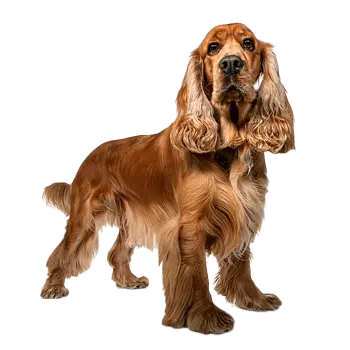
The American Cocker Spaniel is the smallest member of the sporting dog group, yet possesses a sturdy, compact body built for endurance and agility. Males typically stand fifteen to fifteen and a half inches at the shoulder, while females measure thirteen and a half to fourteen and a half inches. Weight generally ranges from twenty to thirty pounds for males and slightly less for females. The breed presents a well-balanced appearance with a cleanly chiseled, refined head and an overall impression of capability combined with beauty. The body is sturdy with a broad, deep chest, strong hindquarters, and a slightly sloping topline. The Cocker Spaniel's coat is one of its most distinguishing features, being silky in texture and either flat or slightly wavy. The head sports short, fine hair, while the body coat is of medium length with enough undercoating to provide protection during field work. Elaborate feathering adorns the ears, chest, abdomen, and legs, though not so excessively as to hide the breed's true lines or impede movement. The American Kennel Club divides coat colors into three varieties for show purposes: solid black, any solid color other than black, and parti-colors. Common colors include black, buff, red, brown, silver, and various combinations with white and tan markings. The head of the Cocker Spaniel is its hallmark, featuring a rounded skull with a pronounced stop and a broad, deep muzzle of equal length to the skull. The eyes are round, full, and dark brown in color, looking directly forward with an expression that is intelligent, alert, soft, and appealing. The characteristic long, lobular ears are set at eye level or slightly below, covered with long, silky, well-feathered hair that adds to the breed's elegant appearance. The back slopes slightly from shoulder to tail, and the docked tail is set and carried on a line with the topline, wagging merrily when the dog is in action. Movement is free and effortless with good reach and strong drive.
Key Characteristics
Temperament Temperament Temperament Temperament Temperament Temperament These dogs are typically excellent with children and other pets, displaying patience and gentleness that makes them suitable for busy households. They form strong bonds with their families and may develop separation anxiety if left alone for extended periods. While their friendly nature means they are not particularly effective guard dogs, they will alert their families to visitors with a bark. Their sensitivity means they can be affected by household stress, so a calm, loving environment brings out the best in them. Early socialization is important to ensure they develop into well-rounded, confident adults.
Health Considerations Health Considerations Health Considerations Health Considerations Health Considerations Health Considerations Cocker Spaniels are prone to certain autoimmune conditions including immune-mediated hemolytic anemia and immune-mediated thrombocytopenia, which affect the blood cells. Heart disease, particularly mitral valve disease and patent ductus arteriosus in young dogs, requires monitoring. Hypothyroidism and various liver conditions may also occur. Some Cockers can be prone to behavioral issues if poorly bred, including submissive urination and in rare cases, aggression. Responsible breeding with health testing has helped reduce many hereditary problems. Regular veterinary checkups, proper nutrition, weight management, and attention to coat and ear care are essential for maintaining health in this beloved breed.
Shiba Inu

The Shiba Inu is a small to medium-sized Japanese breed that presents a well-balanced, compact, and muscular appearance. Males typically stand fourteen and a half to sixteen and a half inches at the shoulder and weigh around twenty-three pounds, while females are slightly smaller at thirteen and a half to fifteen and a half inches and approximately seventeen pounds. The breed possesses moderate bone structure and well-developed musculature, creating a dog that appears sturdy without being heavy or cumbersome. The ideal height-to-length ratio is ten to eleven in males, with females being slightly longer, contributing to the breed's distinctive compact silhouette. The Shiba Inu's double coat is one of its most recognizable features, consisting of a stiff, straight outer coat and a soft, thick undercoat that provides excellent insulation. Guard hairs stand off the body and are approximately one and a half to two inches in length. The coat on the face, ears, and legs is short and even. The breed comes in three primary colors: red, sesame, and black and tan. All colors must display the distinctive urajiro pattern, which refers to the cream to white ventral coloring that appears on the muzzle sides, cheeks, inside ears, underjaw, throat, chest, abdomen, inside legs, and underside of the tail. The Shiba Inu's head is proportionate to the body with a broad, flat forehead and a moderate stop. The expression is described as bold, confident, and somewhat fox-like, created by the combination of triangular, deep-set eyes that are dark brown and forward-facing, and small, triangular ears that stand firmly erect and tilt slightly forward. The muzzle is round and full, tapering toward the nose, which is black or self-colored depending on coat color. The characteristic tail is thick and powerful, curling over the back in either a sickle or full curl configuration. Movement is nimble, light, and quick, reflecting the breed's heritage as an agile hunting dog.
Key Characteristics
Temperament Temperament Temperament Temperament Temperament Temperament This breed's strong prey drive, inherited from their hunting ancestry, means they should always be kept on leash or in a securely fenced area, as they are notorious escape artists and may not respond to recall commands. They can be possessive with food and toys and may display aggression toward other dogs, particularly those of the same sex. Early socialization is crucial to help them develop appropriate social skills. While their independent nature can be challenging for first-time dog owners, those who appreciate a spirited, intelligent companion with a unique personality often find the Shiba Inu to be a deeply rewarding breed.
Health Considerations Health Considerations Health Considerations Health Considerations Health Considerations Health Considerations Hypothyroidism, where the thyroid gland does not produce adequate hormones, can cause weight gain, lethargy, skin problems, and coat changes in affected dogs. Dental disease develops relatively quickly in Shibas, making regular dental care essential despite their often strong objection to tooth brushing. GM1 and GM2 gangliosidosis are rare but serious inherited neurological disorders that cause progressive neurological decline, though genetic testing can identify carriers. Anxiety can be an issue, particularly related to handling and veterinary visits. Regular veterinary checkups, genetic testing of breeding stock, and attention to diet and weight management can help maintain health in this spirited breed.
Important to Remember
Each hybrid dog is unique and may inherit any combination of traits from either parent breed. The information above represents the characteristics of the purebred parent breeds. Your Shocker may favor one parent over the other or display a blend of both. We strongly encourage you to read the complete breed profiles for both the Cocker Spaniel and Shiba Inu to fully understand the range of possible temperaments, health concerns, and care requirements.