Shinese
The Shinese is a cross between the Shih Tzu and the Pekingese. Because each hybrid inherits a unique combination of traits from both parents, we recommend thoroughly researching both breeds before choosing a Shinese. Pay special attention to temperament, health issues, and care requirements, as your dog may express characteristics from either parent breed.
Shih Tzu
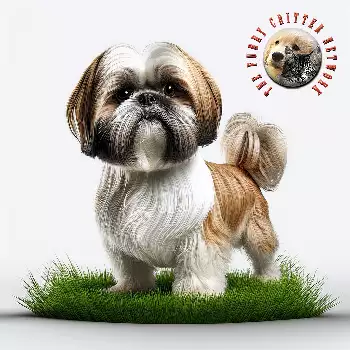
The Shih Tzu is a sturdy, compact toy breed that stands between eight and eleven inches at the shoulder, with the ideal height being nine to ten and a half inches. Despite their small stature, these dogs carry substantial weight and substance, typically ranging from nine to sixteen pounds. The breed possesses a solid, well-balanced body that is slightly longer than it is tall, giving them a somewhat rectangular appearance. Their build is surprisingly muscular for a toy breed, with well-boned legs that should appear straight when viewed from any angle, and a level topline that contributes to their proud, confident stance. The crowning glory of the Shih Tzu is undoubtedly its luxurious double coat. The outer coat is long, dense, and flowing, while the undercoat is soft and provides excellent insulation. A slight wave is permissible in the coat, though it should never be curly. All colors and markings are acceptable according to breed standards, making this one of the most diverse breeds in terms of coat color. The hair on the head is typically tied up to keep it out of the dog's eyes, creating the distinctive topknot that many associate with the breed. The Shih Tzu's head is one of its most distinctive features, being broad and round with considerable width between the eyes. Their expression is described as warm, sweet, wide-eyed, friendly, and trusting. The eyes themselves are large, round, and very dark, set well apart and looking straight ahead. The ears are large and heavily coated, set slightly below the crown of the skull, and blend seamlessly into the coat around the neck. Perhaps most characteristic is the short, square muzzle with a definite underbite, which is a required feature of the breed. The nose sits level or slightly tip-tilted, and the heavily plumed tail curves gracefully over the back, adding to the breed's regal appearance.
Key Characteristics
Temperament Temperament Temperament Temperament Temperament Temperament Shih Tzus generally get along well with other pets and children, though their small size means interactions with very young children should be supervised. They make alert watchdogs and will announce visitors, but their friendly nature means they typically welcome guests rather than acting aggressively. These dogs form strong bonds with their families and prefer to be wherever their people are, often following their owners from room to room throughout the day.
Health Considerations Health Considerations Health Considerations Health Considerations Health Considerations Health Considerations Other health concerns include anal sac impaction, which affects over seven percent of the breed, and various ear disorders due to their heavily coated drop ears that can trap moisture and debris. Umbilical hernias are sometimes seen in puppies but are usually not serious. Maintaining a healthy weight is important as obesity can exacerbate many health issues. Regular veterinary checkups, proper nutrition, and attention to their specific needs can help ensure a Shih Tzu lives a long, healthy, and comfortable life.
Pekingese

The Pekingese is a compact, low-to-ground toy dog that stands approximately six to nine inches tall at the shoulder and typically weighs between seven and fourteen pounds. In imperial China, the smallest specimens weighing under six pounds were called sleeve dogs because they could fit in the flowing sleeves of courtiers' robes. The breed has a stocky, muscular body that belies its small size, with a build that is heavier in the front than the rear, contributing to its characteristic rolling gait. The body is slightly longer than it is tall, creating a distinctive silhouette that immediately identifies the breed. The Pekingese possesses a magnificent double coat that is the crowning glory of the breed. The outer coat is long, straight, and coarse in texture, standing away from the body and creating an impressive mane around the neck and shoulders that gives the breed its lion-like appearance. The undercoat is thick and soft, providing excellent insulation. Profuse feathering adorns the ears, legs, tail, and toes. All coat colors are acceptable according to breed standards, including red, fawn, black, white, cream, and sable, with many dogs displaying a distinctive black mask that enhances their regal expression. The head of the Pekingese is perhaps its most distinctive feature, being massive in proportion to the body with a broad, flat skull between the ears. The face is flat with a very short, broad muzzle and a distinctive wrinkle that runs from cheek to cheek across the bridge of the nose. Large, prominent, round eyes are set wide apart and are dark and lustrous, creating an alert and intelligent expression. The heart-shaped ears are set on the front corners of the skull and hang flat against the head, blending into the heavy mane. An underbite is characteristic of the breed. The heavily plumed tail is carried over the back and drapes to one side, completing the picture of dignified elegance.
Key Characteristics
Temperament Temperament Temperament Temperament Temperament Temperament Pekingese are generally calm, low-energy dogs that are content with short walks and indoor play. They make excellent apartment dwellers and are well-suited to less active households. As alert watchdogs, they will announce visitors with a bark that seems too big for their bodies. They can be somewhat territorial and may not readily accept other dogs, particularly those of the same sex. Early socialization is important to help them become more accepting of other animals and people. Due to their dignified nature and delicate build, they are better suited to homes with older children who understand how to interact respectfully with a small dog.
Health Considerations Health Considerations Health Considerations Health Considerations Health Considerations Health Considerations Dental problems are common due to the crowded teeth in their undershot jaws, requiring regular dental care. Patellar luxation, where the kneecap slips out of position, affects many Pekingese and can range from mild to requiring surgical correction. Heart disease, particularly mitral valve disease, becomes more common as these dogs age. Skin allergies and fold dermatitis can occur in the facial wrinkles if not kept clean and dry. Regular veterinary checkups, careful attention to weight management to avoid stressing their joints and respiratory system, and awareness of their temperature sensitivity are essential for maintaining the health of this ancient and dignified breed.
Important to Remember
Each hybrid dog is unique and may inherit any combination of traits from either parent breed. The information above represents the characteristics of the purebred parent breeds. Your Shinese may favor one parent over the other or display a blend of both. We strongly encourage you to read the complete breed profiles for both the Shih Tzu and Pekingese to fully understand the range of possible temperaments, health concerns, and care requirements.