Shih-Poo
The Shih-Poo is a cross between the Shih Tzu and the Poodle. Because each hybrid inherits a unique combination of traits from both parents, we recommend thoroughly researching both breeds before choosing a Shih-Poo. Pay special attention to temperament, health issues, and care requirements, as your dog may express characteristics from either parent breed.
Shih Tzu
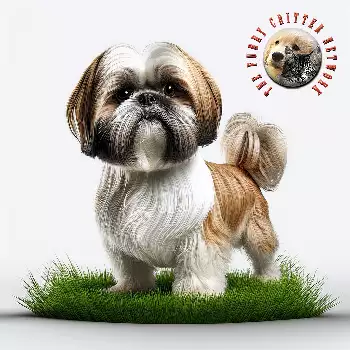
The Shih Tzu is a sturdy, compact toy breed that stands between eight and eleven inches at the shoulder, with the ideal height being nine to ten and a half inches. Despite their small stature, these dogs carry substantial weight and substance, typically ranging from nine to sixteen pounds. The breed possesses a solid, well-balanced body that is slightly longer than it is tall, giving them a somewhat rectangular appearance. Their build is surprisingly muscular for a toy breed, with well-boned legs that should appear straight when viewed from any angle, and a level topline that contributes to their proud, confident stance. The crowning glory of the Shih Tzu is undoubtedly its luxurious double coat. The outer coat is long, dense, and flowing, while the undercoat is soft and provides excellent insulation. A slight wave is permissible in the coat, though it should never be curly. All colors and markings are acceptable according to breed standards, making this one of the most diverse breeds in terms of coat color. The hair on the head is typically tied up to keep it out of the dog's eyes, creating the distinctive topknot that many associate with the breed. The Shih Tzu's head is one of its most distinctive features, being broad and round with considerable width between the eyes. Their expression is described as warm, sweet, wide-eyed, friendly, and trusting. The eyes themselves are large, round, and very dark, set well apart and looking straight ahead. The ears are large and heavily coated, set slightly below the crown of the skull, and blend seamlessly into the coat around the neck. Perhaps most characteristic is the short, square muzzle with a definite underbite, which is a required feature of the breed. The nose sits level or slightly tip-tilted, and the heavily plumed tail curves gracefully over the back, adding to the breed's regal appearance.
Key Characteristics
Temperament Temperament Temperament Temperament Temperament Temperament Shih Tzus generally get along well with other pets and children, though their small size means interactions with very young children should be supervised. They make alert watchdogs and will announce visitors, but their friendly nature means they typically welcome guests rather than acting aggressively. These dogs form strong bonds with their families and prefer to be wherever their people are, often following their owners from room to room throughout the day.
Health Considerations Health Considerations Health Considerations Health Considerations Health Considerations Health Considerations Other health concerns include anal sac impaction, which affects over seven percent of the breed, and various ear disorders due to their heavily coated drop ears that can trap moisture and debris. Umbilical hernias are sometimes seen in puppies but are usually not serious. Maintaining a healthy weight is important as obesity can exacerbate many health issues. Regular veterinary checkups, proper nutrition, and attention to their specific needs can help ensure a Shih Tzu lives a long, healthy, and comfortable life.
Poodle

The Poodle is a remarkably elegant breed that comes in three distinct size varieties: Standard, Miniature, and Toy. Standard Poodles stand over fifteen inches at the shoulder and typically weigh between forty and seventy pounds, while Miniature Poodles measure between ten and fifteen inches and weigh approximately ten to fifteen pounds. The smallest variety, the Toy Poodle, stands under ten inches tall and weighs only four to six pounds. Regardless of size, all Poodles share the same refined, square-bodied proportions where the length of the body equals the height at the shoulder, creating an overall impression of grace and balance. The Poodle's coat is perhaps its most distinctive feature, consisting of dense, curly hair with a naturally harsh texture that is unique among dog breeds. Unlike most dogs, Poodles have hair rather than fur, which grows continuously and sheds minimally, making them a popular choice for people with allergies. The coat can be styled in various clips, from the elaborate Continental and English Saddle clips seen in show rings to the simple, practical Sporting or Puppy clips preferred by many pet owners. All solid colors are acceptable, including black, white, apricot, red, cream, brown, silver, blue, gray, and café-au-lait. The Poodle's head is refined and elegant, with a moderately rounded skull and a long, straight muzzle. Their eyes are very dark, oval-shaped, and set far enough apart to create an alert, intelligent expression. The ears are long, wide, and hang close to the head, set at or slightly below eye level and heavily feathered. The neck is long and strong enough to carry the head high with dignity, flowing smoothly into well-laid-back shoulders. Their movement is light, springy, and effortless, with the characteristic proud carriage that distinguishes the breed. The tail is set high, carried up, and is often docked in countries where this practice is permitted.
Key Characteristics
Temperament Temperament Temperament Temperament Temperament Temperament Poodles are generally good with children and other pets, especially when properly socialized from a young age. They thrive on human companionship and prefer to be included in family activities rather than being left outside or isolated. Their playful, energetic nature remains well into adulthood, and they retain a youthful enthusiasm for games and activities. Training should always use positive reinforcement methods, as Poodles can be sensitive to harsh corrections. With proper training and socialization, the Poodle makes an outstanding family companion that is both entertaining and deeply devoted.
Health Considerations Health Considerations Health Considerations Health Considerations Health Considerations Health Considerations Von Willebrand's disease, a bleeding disorder, can affect Poodles of all sizes. Hypothyroidism, where the thyroid gland underproduces hormones, is also seen in the breed and can cause weight gain, lethargy, and skin problems. Regular veterinary care, including appropriate health screenings, can help detect these conditions early. Responsible breeders test their breeding stock for known hereditary conditions. With proper care, attention to diet and exercise, and regular health monitoring, Poodles can enjoy long, healthy, and active lives as beloved family members.
Important to Remember
Each hybrid dog is unique and may inherit any combination of traits from either parent breed. The information above represents the characteristics of the purebred parent breeds. Your Shih-Poo may favor one parent over the other or display a blend of both. We strongly encourage you to read the complete breed profiles for both the Shih Tzu and Poodle to fully understand the range of possible temperaments, health concerns, and care requirements.