Shih Apso
The Shih Apso is a cross between the Lhasa Apso and the Shih Tzu. Because each hybrid inherits a unique combination of traits from both parents, we recommend thoroughly researching both breeds before choosing a Shih Apso. Pay special attention to temperament, health issues, and care requirements, as your dog may express characteristics from either parent breed.
Lhasa Apso

The Lhasa Apso is a small, sturdy, well-balanced dog of ancient Tibetan origin that presents a distinctive silhouette defined by its magnificent coat. Standing ideally between ten and eleven inches at the shoulder with females slightly smaller, this breed exhibits a rectangular body shape that is longer than it is tall. The overall impression is one of substance without heaviness, with a level topline and a tail carried in a characteristic curl over the back, sometimes with a kink at the end. The breed possesses medium bone and adequate muscle to create a compact, hardy appearance suitable for its original role as a monastery sentinel. The head appears somewhat rounded due to the heavy fall of hair that covers the face and frames the features. The skull is narrow and domed, leading to a medium-length muzzle that ends in a black nose. The eyes are small, dark, and deeply set, often hidden beneath the abundant headfall that is characteristic of the breed. The ears hang down as pendants, heavily feathered with long hair that blends seamlessly into the coat. The teeth typically meet in a level bite or may be slightly undershot. The neck is well-arched and of sufficient length to carry the head proudly. The coat is the Lhasa Apso's most distinguishing characteristic and served historically to protect these dogs from the extreme temperatures of the Himalayan region. The double coat consists of a heavy, straight, hard outer layer that is dense and long, parting naturally in the middle from head to tail. The undercoat is moderate and provides additional insulation. The coat grows to floor length when fully maintained and requires extensive grooming. Colors include golden, sandy, honey, dark grizzle, slate, smoke, black, white, brown, and parti-color, with all colors equally acceptable. The feet are round, catlike, and well-feathered, providing protection on rough terrain.
Key Characteristics
Temperament Temperament Temperament Temperament Temperament Temperament Training a Lhasa Apso requires patience and consistency, as these intelligent dogs can be stubborn and may question why they should comply with commands. They respond best to positive reinforcement methods and can become resentful if treated harshly. Early socialization is crucial to prevent excessive suspicion of strangers or territorial behaviors. The breed's moderate energy level is satisfied by daily walks and play sessions, making them adaptable to apartment living. They can be good with respectful children but may not tolerate rough handling and tend to bond more readily with adults.
Health Considerations Health Considerations Health Considerations Health Considerations Health Considerations Health Considerations The breed's distinctive long body relative to its leg length creates vulnerability to intervertebral disc disease, where spinal discs bulge or rupture causing pain and potential nerve damage. Weight management and avoiding excessive jumping help reduce this risk. Patellar luxation, where the kneecap slips out of position, affects some individuals. Dental disease is prevalent due to the small mouth typical of the breed, requiring regular dental care. Skin problems including allergies and sebaceous adenitis, a condition affecting the skin's oil glands, may develop. Hemophilia B, a blood clotting disorder, has been identified in the breed's genetic profile. Regular veterinary examinations enable early detection and management of these conditions.
Shih Tzu
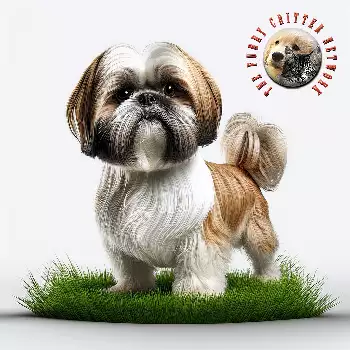
The Shih Tzu is a small, sturdy companion dog with a distinctive appearance that reflects its ancient Chinese heritage. Standing between nine and ten-and-a-half inches at the shoulder and weighing nine to sixteen pounds, this breed presents a compact, well-balanced silhouette that is slightly longer than it is tall. The overall impression is one of substance without coarseness, displaying a proud carriage with the head held high and the heavily plumed tail carried in a graceful curve over the back. The body is solid and well-proportioned with a deep chest and level topline. The head is one of the breed's most distinctive features, appearing round and broad with a short, square muzzle that gives the face a chrysanthemum-like appearance when viewed from the front. The eyes are large, dark, and prominent, set wide apart and conveying a warm, trusting expression. A notable characteristic is the undershot bite, which is required by the breed standard. The ears are large with long leather, set slightly below the crown of the skull, and covered in abundant hair that blends into the neck coat. The nose is always black, positioned at or slightly below eye level, though liver-colored dogs may have liver noses. The coat is the Shih Tzu's crowning glory, consisting of a luxurious double layer that is long, flowing, and dense. The outer coat is long and silky, while the undercoat provides insulation and volume. The hair grows in all directions on the face, creating the characteristic chrysanthemum pattern, with a distinct fall over the eyes and a full beard and whiskers. The coat accepts virtually any color, with white blazes on the forehead and white tail tips considered highly desirable in parti-colored specimens. When properly maintained, the coat flows to floor length, though many pet owners prefer shorter utility clips for easier maintenance.
Key Characteristics
Temperament Temperament Temperament Temperament Temperament Temperament The breed exhibits intelligence combined with an independent streak that can make training interesting. While eager to please their owners, Shih Tzus can display occasional stubbornness that requires patience and positive reinforcement methods. They respond well to treats and praise, thriving when training sessions are kept short and entertaining. Early socialization is important to develop a well-rounded temperament. These dogs have relatively modest exercise needs, satisfied by short daily walks and indoor play sessions, making them excellent choices for apartment living or less active households.
Health Considerations Health Considerations Health Considerations Health Considerations Health Considerations Health Considerations Dental disease affects Shih Tzus disproportionately compared to larger breeds, as their small mouths often result in crowded or misaligned teeth that trap food and bacteria. Daily dental care and professional cleanings are essential for prevention. Orthopedic issues including patellar luxation and hip dysplasia can occur. Intervertebral disc disease represents a risk due to the breed's long spine relative to its short legs. Liver shunts and kidney problems including renal dysplasia have been documented in the breed. Skin allergies and conditions require attention in some individuals. Regular veterinary care and maintaining a healthy weight contribute significantly to the breed's longevity.
Important to Remember
Each hybrid dog is unique and may inherit any combination of traits from either parent breed. The information above represents the characteristics of the purebred parent breeds. Your Shih Apso may favor one parent over the other or display a blend of both. We strongly encourage you to read the complete breed profiles for both the Lhasa Apso and Shih Tzu to fully understand the range of possible temperaments, health concerns, and care requirements.