ShiChi
The ShiChi is a cross between the Chihuahua and the Shih Tzu. Because each hybrid inherits a unique combination of traits from both parents, we recommend thoroughly researching both breeds before choosing a ShiChi. Pay special attention to temperament, health issues, and care requirements, as your dog may express characteristics from either parent breed.
Chihuahua
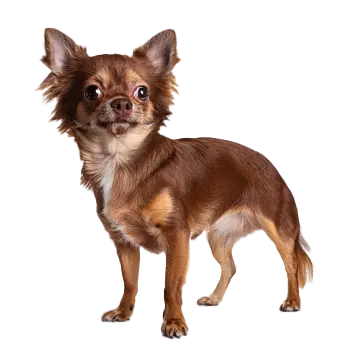
The Chihuahua holds the distinction of being the smallest recognized dog breed in the world, with the American Kennel Club breed standard specifying that these compact canines should not exceed six pounds in weight. Despite their diminutive stature, Chihuahuas present a well-balanced and graceful appearance with a body that is slightly longer than it is tall when measured from shoulder to hindquarters. Their height typically ranges from five to nine inches at the shoulder, though they carry themselves with remarkable confidence and alertness. The breed's movement is swift and sturdy, demonstrating good reach in front and strong drive from the rear while maintaining a level topline. The most distinctive feature of the Chihuahua is the well-rounded apple-dome skull, which may or may not include a molera, a soft spot similar to that found in human infants. Their expression is characteristically saucy and alert, created by large, luminous eyes that are full but not protruding, set well apart and typically dark in color, though lighter eyes are permissible in blonde or white-colored dogs. The ears are large and erect, held upright when the dog is alert but flaring to the sides at approximately a forty-five degree angle when relaxed, which gives breadth between the ears and contributes to the breed's distinctive silhouette. Chihuahuas come in two distinct coat varieties that are judged separately in conformation shows. The smooth coat variety features a soft, close-lying, and glossy coat that covers the body with a ruff on the neck preferred. The long coat variety displays a soft, flat or slightly wavy coat with feathering on the ears, legs, and tail, creating an elegant appearance. Both varieties can appear in any color or combination of colors, including solid, marked, or splashed patterns, making the Chihuahua one of the most diverse breeds in terms of color possibilities. The tail is moderately long, carried in a sickle shape or in a loop over the back with just the tip touching the back.
Key Characteristics
Temperament Temperament Temperament Temperament Temperament Temperament Despite their confident exterior, Chihuahuas are sensitive souls who respond best to gentle, patient training methods and thrive in environments where they feel secure and loved. They can be stubborn during training sessions, preferring to do things on their own terms, which requires owners to be consistent and creative in their approach. These affectionate little dogs require significant personal attention and enjoy being involved in family activities. They adapt well to apartment living and do not require extensive exercise, though they benefit from regular short walks and play sessions to maintain their physical and mental well-being.
Health Considerations Health Considerations Health Considerations Health Considerations Health Considerations Health Considerations Chihuahuas may also experience hypoglycemia, particularly as puppies, due to their small body mass and high metabolism, which makes maintaining stable blood sugar levels challenging. The breed's prominent eyes make them susceptible to various ocular conditions including progressive retinal atrophy, cataracts, and corneal injuries. Hydrocephalus, an accumulation of fluid in the brain, can occur in the breed and may be associated with the open fontanel many Chihuahuas possess. Tracheal collapse, where the cartilage rings supporting the windpipe weaken, is another concern that can cause a distinctive honking cough and breathing difficulties. Regular veterinary checkups and health screenings help ensure early detection and management of these potential issues.
Shih Tzu
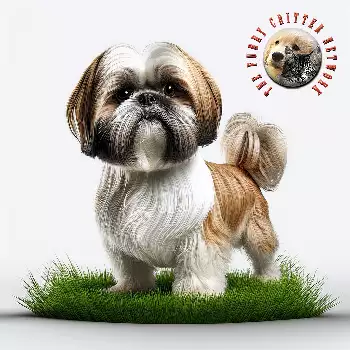
The Shih Tzu is a sturdy, lively toy breed that presents a distinctively proud and elegant appearance befitting its noble Chinese ancestry as a treasured palace companion. According to American Kennel Club standards, the ideal height at the withers ranges from nine to ten and a half inches, though the acceptable range extends from eight to eleven inches. The breed's weight at maturity should fall between nine and sixteen pounds, creating a compact and solid dog that carries good weight and substance despite its classification as a toy breed. The Shih Tzu's body is slightly longer than it is tall, measured from the withers to the root of the tail, giving it a rectangular silhouette that should never appear leggy or dumpy. The breed's head is one of its most striking features, being round, broad, and wide between the eyes with a distinctly domed skull. The expression is warm, sweet, wide-eyed, friendly, and trusting, created by large, round eyes that are set well apart and look straight ahead. The muzzle is short and square, ideally measuring about one inch from the tip of the nose to the stop, though this may vary proportionally with the overall size of the dog. An undershot bite is required by the breed standard, with the lower jaw being wider than the upper jaw and the lower teeth meeting outside the upper teeth when the mouth is closed. The ears are large, set slightly below the crown of the head, and hang heavily coated with long flowing hair that blends into the coat of the neck. The Shih Tzu possesses a luxuriant double coat that is one of the breed's most distinctive characteristics. The outer coat is long, dense, and flowing, covering the entire body when properly maintained, while the undercoat is soft and woolly. All coat colors and markings are acceptable in the breed standard, providing tremendous variety in the breed's appearance. The tail is set high and heavily plumed, carried in a gentle curve well over the back. The breed moves with a smooth, flowing, effortless gait that demonstrates good front reach and equally strong rear drive. The Shih Tzu's distinctively arrogant carriage, with head held high and tail curved gracefully over the back, reflects its centuries-long history as a cherished companion of Chinese royalty.
Key Characteristics
Temperament Temperament Temperament Temperament Temperament Temperament The Shih Tzu adapts well to various living situations, making them suitable for apartments, condominiums, and larger homes alike. They require regular human interaction and may develop separation anxiety if left alone for extended periods. While they enjoy daily walks and play sessions, their exercise needs are moderate, and they are equally content to snuggle on the couch with their favorite humans. Shih Tzus generally get along well with children and other pets, particularly when socialized from a young age. Their low prey drive makes them safer around smaller animals than many other breeds. The breed's grooming demands are considerable due to their long, flowing coat, requiring daily brushing and regular professional grooming to maintain their characteristic appearance.
Health Considerations Health Considerations Health Considerations Health Considerations Health Considerations Health Considerations Dental disease is particularly prevalent in Shih Tzus, with veterinary studies indicating that periodontal disease affects nearly ten percent of the breed. Their small mouths and crowded teeth create conditions where plaque and tartar accumulate rapidly, leading to gum disease and tooth loss. Regular dental care including daily brushing and professional cleanings is essential. Other health conditions affecting the breed include patellar luxation, hip dysplasia, hypothyroidism, allergies and skin problems, renal dysplasia affecting kidney development, ear disorders, and intervertebral disc disease. The breed may also be susceptible to portosystemic liver shunts, where blood bypasses the liver, causing neurological symptoms. Regular veterinary examinations and appropriate health screenings help detect and manage these conditions.
Important to Remember
Each hybrid dog is unique and may inherit any combination of traits from either parent breed. The information above represents the characteristics of the purebred parent breeds. Your ShiChi may favor one parent over the other or display a blend of both. We strongly encourage you to read the complete breed profiles for both the Chihuahua and Shih Tzu to fully understand the range of possible temperaments, health concerns, and care requirements.