Shiba Pin
The Shiba Pin is a cross between the Shiba Inu and the Miniature Pinscher. Because each hybrid inherits a unique combination of traits from both parents, we recommend thoroughly researching both breeds before choosing a Shiba Pin. Pay special attention to temperament, health issues, and care requirements, as your dog may express characteristics from either parent breed.
Shiba Inu

The Shiba Inu is a compact, well-muscled dog of spitz heritage that stands between thirteen and a half and sixteen and a half inches tall at the shoulder and weighs approximately seventeen to twenty-three pounds. Males are noticeably larger and more masculine than females, who display a distinctly feminine refinement while maintaining the breed's characteristic strength and agility. The breed's overall structure conveys an impression of balanced proportions, athletic capability, and alert readiness, reflecting their history as versatile hunting dogs in the mountainous regions of Japan. Their moderate size and nimble build allowed them to navigate rough terrain and flush game from dense underbrush with remarkable efficiency. The Shiba Inu's head is perhaps their most distinctive feature, displaying the classic fox-like appearance that has made the breed so recognizable worldwide. The skull is broad with well-defined cheeks, and the muzzle is firm and full, tapering slightly to a black nose. Their small, triangular ears are firmly pricked and set well apart, tilting slightly forward in an expression of alertness that captures their keen, watchful nature. The eyes are somewhat triangular in shape, deep set, and dark brown in color, contributing to the keen, confident expression that typifies the breed and gives them their characteristic look of intelligence and curiosity. The double coat is one of the Shiba Inu's defining characteristics, consisting of a stiff, straight outer coat standing off from the body and a thick, soft, dense undercoat that provides excellent protection against cold weather. The tail is thick and powerful, carried in a sickle or curled position over the back, and is covered with slightly longer hair. Coat colors include red, which is the most common and popular shade, as well as sesame, black and tan, and cream. All colorations except cream must display urajiro, a distinctive pattern of cream or white ventral markings on the cheeks, inside the ears, on the underjaw, upper throat, inside the legs, on the abdomen, and on the underside of the tail. This marking pattern is essential to breed type and distinguishes the Shiba from similar breeds.
Key Characteristics
Temperament Temperament Temperament Temperament Temperament Temperament The Shiba Inu retains strong prey drive from their hunting heritage and may pursue small animals including cats, squirrels, and rabbits with determination. Early socialization is essential to help them coexist peacefully with other pets. They can be same-sex aggressive and may not tolerate other dogs of the same gender in the household. The breed is known for the distinctive Shiba scream, a loud, high-pitched vocalization produced when excited or distressed. They are clean dogs who groom themselves meticulously and are often easy to housetrain. Their exercise needs are moderate, though they appreciate daily walks and secure areas where they can run, as their escape artist tendencies are legendary.
Health Considerations Health Considerations Health Considerations Health Considerations Health Considerations Health Considerations Eye conditions represent a notable concern in this breed, with glaucoma affecting approximately one-third of Shiba Inus at some point in their lives. This painful condition involves increased pressure within the eye and can lead to blindness if not treated promptly. Cataracts and progressive retinal atrophy also occur in the breed, making regular ophthalmologic examinations advisable. Hip dysplasia, while less common than in larger breeds, does occur and should be screened for in breeding dogs. A neurological storage disease called GM1 gangliosidosis has been identified in the breed, though genetic testing can identify carriers. Hypothyroidism may develop, particularly in middle-aged and older dogs, causing weight gain and coat changes.
Miniature Pinscher
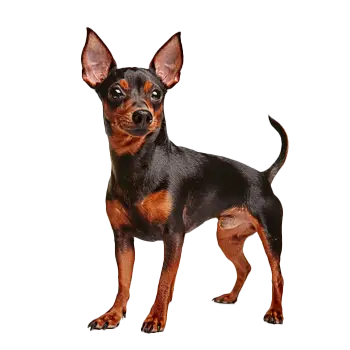
The Miniature Pinscher is a structurally well-balanced, sturdy, compact dog that stands between ten and twelve and a half inches tall at the shoulder, with the ideal height being eleven to eleven and a half inches. Despite their diminutive size, weighing only eight to ten pounds, they feel surprisingly solid when lifted and possess a physique that suggests strength and athleticism rather than fragility. The breed is short-coupled, meaning their body length is approximately equal to their height at the withers, creating a square profile that contributes to their elegant appearance. Their legs are straight and well-boned, supporting a body that is neither too refined nor too heavy in substance. The Miniature Pinscher's most distinctive physical characteristic is their unique hackney-like gait, a high-stepping, prancing action that resembles the movement of a Hackney horse and is unique among dog breeds. This animated movement communicates confidence and self-assurance, announcing to the world that this is a dog of consequence despite their toy classification. The head is narrow and tapering, held proudly on an arched neck that flows smoothly into well-laid-back shoulders. The ears are set high and may be cropped to a point or left natural, standing erect in either case. Dark, oval eyes give an alert, keen expression that suggests the breed's perpetual readiness for action. The coat is smooth, short, and hard, lying close to the body and requiring minimal grooming to maintain its naturally sleek appearance. It has a lustrous, glossy quality that highlights the breed's well-muscled physique and clean lines. Accepted colors include solid clear red, stag red which features red with an intermingling of black hairs, and black or chocolate with sharply defined rust-red markings on the cheeks, lips, lower jaw, throat, chest, legs, feet, and above the eyes. The tail is traditionally docked in countries where this practice is permitted, set high and carried erect. The breed's overall appearance conveys energy, confidence, and elegance, fully earning their nickname as the King of Toys.
Key Characteristics
Temperament Temperament Temperament Temperament Temperament Temperament The breed retains strong terrier-like instincts from their origins as vermin hunters in German barnyards. They are curious investigators who will explore every corner of their environment and may attempt to escape from enclosures that would contain other breeds. Their prey drive can make them challenging to manage around small pets, and early socialization is essential to prevent them from becoming territorial or aggressive with other dogs. They thrive on activity and require both physical exercise and mental stimulation to prevent boredom, which can lead to destructive behaviors or excessive barking. First-time dog owners may find this breed challenging.
Health Considerations Health Considerations Health Considerations Health Considerations Health Considerations Health Considerations Eye problems including cataracts and progressive retinal atrophy occur in the breed, with hereditary forms of cataracts sometimes appearing in puppies. Regular ophthalmologic examinations can help detect these conditions early. Epilepsy has been documented in Miniature Pinschers and may require lifelong medication to control seizures. Hypothyroidism can develop, causing weight gain, lethargy, and coat problems. The breed may also experience immune-mediated blood disorders where the body attacks its own red blood cells or platelets. Dental disease is particularly common due to the breed's small mouth, making regular dental care essential. Mitral valve disease, a degenerative heart condition, has been identified as a concern in some bloodlines.
Important to Remember
Each hybrid dog is unique and may inherit any combination of traits from either parent breed. The information above represents the characteristics of the purebred parent breeds. Your Shiba Pin may favor one parent over the other or display a blend of both. We strongly encourage you to read the complete breed profiles for both the Shiba Inu and Miniature Pinscher to fully understand the range of possible temperaments, health concerns, and care requirements.