Shiba Corgi
The Shiba Corgi is a cross between the Shiba Inu and the Welsh Corgi. Because each hybrid inherits a unique combination of traits from both parents, we recommend thoroughly researching both breeds before choosing a Shiba Corgi. Pay special attention to temperament, health issues, and care requirements, as your dog may express characteristics from either parent breed.
Shiba Inu

The Shiba Inu is a compact, well-muscled dog of spitz heritage that stands between thirteen and a half and sixteen and a half inches tall at the shoulder and weighs approximately seventeen to twenty-three pounds. Males are noticeably larger and more masculine than females, who display a distinctly feminine refinement while maintaining the breed's characteristic strength and agility. The breed's overall structure conveys an impression of balanced proportions, athletic capability, and alert readiness, reflecting their history as versatile hunting dogs in the mountainous regions of Japan. Their moderate size and nimble build allowed them to navigate rough terrain and flush game from dense underbrush with remarkable efficiency. The Shiba Inu's head is perhaps their most distinctive feature, displaying the classic fox-like appearance that has made the breed so recognizable worldwide. The skull is broad with well-defined cheeks, and the muzzle is firm and full, tapering slightly to a black nose. Their small, triangular ears are firmly pricked and set well apart, tilting slightly forward in an expression of alertness that captures their keen, watchful nature. The eyes are somewhat triangular in shape, deep set, and dark brown in color, contributing to the keen, confident expression that typifies the breed and gives them their characteristic look of intelligence and curiosity. The double coat is one of the Shiba Inu's defining characteristics, consisting of a stiff, straight outer coat standing off from the body and a thick, soft, dense undercoat that provides excellent protection against cold weather. The tail is thick and powerful, carried in a sickle or curled position over the back, and is covered with slightly longer hair. Coat colors include red, which is the most common and popular shade, as well as sesame, black and tan, and cream. All colorations except cream must display urajiro, a distinctive pattern of cream or white ventral markings on the cheeks, inside the ears, on the underjaw, upper throat, inside the legs, on the abdomen, and on the underside of the tail. This marking pattern is essential to breed type and distinguishes the Shiba from similar breeds.
Key Characteristics
Temperament Temperament Temperament Temperament Temperament Temperament The Shiba Inu retains strong prey drive from their hunting heritage and may pursue small animals including cats, squirrels, and rabbits with determination. Early socialization is essential to help them coexist peacefully with other pets. They can be same-sex aggressive and may not tolerate other dogs of the same gender in the household. The breed is known for the distinctive Shiba scream, a loud, high-pitched vocalization produced when excited or distressed. They are clean dogs who groom themselves meticulously and are often easy to housetrain. Their exercise needs are moderate, though they appreciate daily walks and secure areas where they can run, as their escape artist tendencies are legendary.
Health Considerations Health Considerations Health Considerations Health Considerations Health Considerations Health Considerations Eye conditions represent a notable concern in this breed, with glaucoma affecting approximately one-third of Shiba Inus at some point in their lives. This painful condition involves increased pressure within the eye and can lead to blindness if not treated promptly. Cataracts and progressive retinal atrophy also occur in the breed, making regular ophthalmologic examinations advisable. Hip dysplasia, while less common than in larger breeds, does occur and should be screened for in breeding dogs. A neurological storage disease called GM1 gangliosidosis has been identified in the breed, though genetic testing can identify carriers. Hypothyroidism may develop, particularly in middle-aged and older dogs, causing weight gain and coat changes.
Welsh Corgi
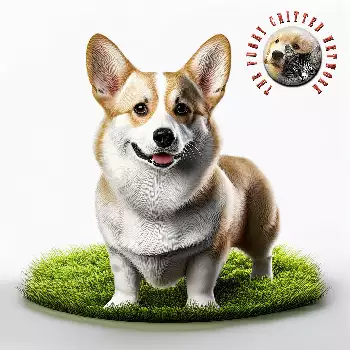
The Pembroke Welsh Corgi is a low-set, sturdy dog that stands ten to twelve inches tall at the shoulder and weighs between twenty-two and thirty pounds, with dogs at the upper end of the scale and females slightly lighter. Despite their small stature, these are substantial, well-muscled dogs who feel surprisingly heavy when lifted due to their dense bone structure and solid build. The breed is classified as a true achondroplastic dwarf, with their short legs supporting a body that is approximately forty percent longer than it is tall. This distinctive long and low silhouette was purposefully developed for their original role as cattle herders, allowing them to nip at the heels of livestock while avoiding kicks directed above their heads. The Pembroke Welsh Corgi's head displays a distinctly fox-like appearance with a moderately wide, flat skull that tapers toward the eyes and a fairly pointed muzzle. The expression is intelligent, interested, and alert, suggesting the breed's keen working mind. Their medium-sized oval eyes are set somewhat obliquely and are brown in color, harmonizing with the coat. The erect ears are medium-sized, tapering to a rounded point, and are incredibly mobile, reacting sensitively to sounds and adding to the breed's alert expression. A line drawn from the nose tip through the eyes to the ear tips should form an approximate equilateral triangle, creating the balanced head proportions that are essential to proper breed type. The breed wears a medium-length double coat consisting of a thick, weatherproof outer layer and a short, dense undercoat that together provide excellent protection from the elements. The coat is slightly longer and fuller around the chest, underparts, and on the backs of the legs, creating modest feathering. Acceptable colors include red, sable, fawn, and black and tan, all with or without white markings. White typically appears on the legs, chest, neck, muzzle, underparts, and sometimes as a blaze on the head. The Pembroke's tail is traditionally docked short, though some puppies are born with naturally bobbed tails, and undocked tails are increasingly common in countries where docking is prohibited by law.
Key Characteristics
Temperament Temperament Temperament Temperament Temperament Temperament The breed's herding instincts remain strong and influence many aspects of their behavior. They are naturally inclined to chase and may attempt to herd other pets, children, or even moving vehicles if not properly supervised and trained. Corgis are active dogs who require regular exercise and mental stimulation to remain happy and well-behaved. Without adequate outlets for their energy and intelligence, they may develop problem behaviors including excessive barking, digging, or destructive chewing. They can be somewhat manipulative and will test boundaries if training is inconsistent, making firm but fair leadership essential.
Health Considerations Health Considerations Health Considerations Health Considerations Health Considerations Health Considerations Eye conditions including progressive retinal atrophy, cataracts, and retinal dysplasia occur in Pembroke Welsh Corgis, making regular ophthalmologic examinations advisable. Heart conditions, particularly patent ductus arteriosus, have been identified as a concern in the breed. The Corgi's long back relative to their short legs increases their risk of intervertebral disc disease, and owners should discourage jumping from furniture or climbing stairs excessively. Obesity is a significant problem in this food-motivated breed and places additional strain on their spines and joints. Maintaining a healthy weight through portion control and regular exercise is essential for long-term health and mobility.
Important to Remember
Each hybrid dog is unique and may inherit any combination of traits from either parent breed. The information above represents the characteristics of the purebred parent breeds. Your Shiba Corgi may favor one parent over the other or display a blend of both. We strongly encourage you to read the complete breed profiles for both the Shiba Inu and Welsh Corgi to fully understand the range of possible temperaments, health concerns, and care requirements.