Shiba-Chi
The Shiba-Chi is a cross between the Chihuahua and the Shiba Inu. Because each hybrid inherits a unique combination of traits from both parents, we recommend thoroughly researching both breeds before choosing a Shiba-Chi. Pay special attention to temperament, health issues, and care requirements, as your dog may express characteristics from either parent breed.
Chihuahua
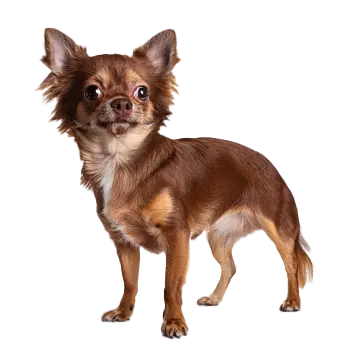
The Chihuahua holds the distinction of being the smallest recognized dog breed in the world, with the American Kennel Club breed standard specifying that these compact canines should not exceed six pounds in weight. Despite their diminutive stature, Chihuahuas present a well-balanced and graceful appearance with a body that is slightly longer than it is tall when measured from shoulder to hindquarters. Their height typically ranges from five to nine inches at the shoulder, though they carry themselves with remarkable confidence and alertness. The breed's movement is swift and sturdy, demonstrating good reach in front and strong drive from the rear while maintaining a level topline. The most distinctive feature of the Chihuahua is the well-rounded apple-dome skull, which may or may not include a molera, a soft spot similar to that found in human infants. Their expression is characteristically saucy and alert, created by large, luminous eyes that are full but not protruding, set well apart and typically dark in color, though lighter eyes are permissible in blonde or white-colored dogs. The ears are large and erect, held upright when the dog is alert but flaring to the sides at approximately a forty-five degree angle when relaxed, which gives breadth between the ears and contributes to the breed's distinctive silhouette. Chihuahuas come in two distinct coat varieties that are judged separately in conformation shows. The smooth coat variety features a soft, close-lying, and glossy coat that covers the body with a ruff on the neck preferred. The long coat variety displays a soft, flat or slightly wavy coat with feathering on the ears, legs, and tail, creating an elegant appearance. Both varieties can appear in any color or combination of colors, including solid, marked, or splashed patterns, making the Chihuahua one of the most diverse breeds in terms of color possibilities. The tail is moderately long, carried in a sickle shape or in a loop over the back with just the tip touching the back.
Key Characteristics
Temperament Temperament Temperament Temperament Temperament Temperament Despite their confident exterior, Chihuahuas are sensitive souls who respond best to gentle, patient training methods and thrive in environments where they feel secure and loved. They can be stubborn during training sessions, preferring to do things on their own terms, which requires owners to be consistent and creative in their approach. These affectionate little dogs require significant personal attention and enjoy being involved in family activities. They adapt well to apartment living and do not require extensive exercise, though they benefit from regular short walks and play sessions to maintain their physical and mental well-being.
Health Considerations Health Considerations Health Considerations Health Considerations Health Considerations Health Considerations Chihuahuas may also experience hypoglycemia, particularly as puppies, due to their small body mass and high metabolism, which makes maintaining stable blood sugar levels challenging. The breed's prominent eyes make them susceptible to various ocular conditions including progressive retinal atrophy, cataracts, and corneal injuries. Hydrocephalus, an accumulation of fluid in the brain, can occur in the breed and may be associated with the open fontanel many Chihuahuas possess. Tracheal collapse, where the cartilage rings supporting the windpipe weaken, is another concern that can cause a distinctive honking cough and breathing difficulties. Regular veterinary checkups and health screenings help ensure early detection and management of these potential issues.
Shiba Inu

The Shiba Inu is the smallest of the native Japanese spitz-type breeds, presenting a compact and well-muscled frame that conveys agility, strength, and endurance. Males typically stand between fourteen and a half to sixteen and a half inches at the shoulder and weigh approximately twenty-three pounds, while females are proportionally smaller at thirteen and a half to fifteen and a half inches and around seventeen pounds. The breed's overall appearance is characterized by a balanced, well-proportioned body with a level back and a tail that curls vigorously over the back in a characteristic sickle or circular pattern. Their movement is nimble, light, and elastic, reflecting their heritage as agile hunting dogs navigating rough mountain terrain. The Shiba Inu's head is one of its most distinctive features, often described as fox-like with a broad forehead that tapers to a pointed muzzle. Their triangular ears are small, firmly pricked, and tilt slightly forward, contributing to their alert and keen expression. The eyes are somewhat triangular in shape, deep-set, and dark brown in color, conveying an intelligent and spirited demeanor. The breed's expression reflects the three mental qualities considered essential to the Japanese breed standard: spirited boldness known as kan-i, good nature called ryosei, and artlessness or unaffected charm referred to as soboku. The Shiba Inu possesses a double coat that is both functional and aesthetically striking. The outer coat is stiff and straight, standing somewhat off the body, while the undercoat is soft and thick, providing excellent insulation against varying weather conditions. Coat colors include red, which is the most common and iconic, as well as sesame, black and tan, and cream. A distinguishing characteristic required by breed standards is urajiro, the cream to white ventral markings that appear on the cheeks, inside the ears, on the sides of the muzzle, the underjaw, the upper throat, inside the legs, on the abdomen, around the vent, and on the underside of the tail. This pattern creates a distinctive contrast that enhances the breed's striking appearance.
Key Characteristics
Temperament Temperament Temperament Temperament Temperament Temperament The Shiba Inu retains strong prey drive instincts from its hunting heritage, making supervision around small animals essential. While they can coexist peacefully with cats and other pets when raised together from puppyhood, their instinct to chase small, fast-moving creatures remains strong. The breed can also display same-sex aggression and may not tolerate unfamiliar dogs, particularly those of the same gender. Early and extensive socialization is crucial to help Shibas develop appropriate social skills with both humans and other animals. When properly socialized and trained, the Shiba Inu makes a loyal, clean, and quietly devoted companion for owners who appreciate their unique blend of independence and affection.
Health Considerations Health Considerations Health Considerations Health Considerations Health Considerations Health Considerations Allergies and skin conditions, particularly atopic dermatitis, are commonly observed in the Shiba Inu population. These allergies may manifest as excessive itching, skin irritation, and recurrent ear infections. Hip dysplasia, while less common in smaller breeds, can still affect Shibas and should be screened for in breeding stock. Hypothyroidism, a condition where the thyroid gland produces insufficient hormones, can cause weight gain, lethargy, and coat problems. A rare but serious genetic condition called gangliosidosis, specifically the GM1 and GM2 variants, can occur in the breed and causes progressive neurological deterioration. Responsible breeders conduct genetic testing to avoid passing this condition to offspring.
Important to Remember
Each hybrid dog is unique and may inherit any combination of traits from either parent breed. The information above represents the characteristics of the purebred parent breeds. Your Shiba-Chi may favor one parent over the other or display a blend of both. We strongly encourage you to read the complete breed profiles for both the Chihuahua and Shiba Inu to fully understand the range of possible temperaments, health concerns, and care requirements.