Sheltie Tzu
The Sheltie Tzu is a cross between the Shetland Sheepdog and the Shih Tzu. Because each hybrid inherits a unique combination of traits from both parents, we recommend thoroughly researching both breeds before choosing a Sheltie Tzu. Pay special attention to temperament, health issues, and care requirements, as your dog may express characteristics from either parent breed.
Shetland Sheepdog

The Shetland Sheepdog, affectionately known as the Sheltie, is a small to medium-sized herding breed that stands between 13 and 16 inches tall at the shoulder and typically weighs between 15 and 25 pounds. Despite often being mistaken for a miniature Rough Collie, the Sheltie is a distinct breed developed specifically for the rugged terrain of the Shetland Islands in Scotland. The breed possesses a well-proportioned, symmetrical body with a refined wedge-shaped head and an alert, intelligent expression that conveys keen awareness. The skull is flat with a slight but definite stop, and the muzzle tapers smoothly from skull to nose. The ears are small and flexible, carried erect with the tips folding forward, giving the dog an attentive appearance that reflects its herding heritage. The Sheltie's most striking feature is its magnificent double coat, which consists of a long, straight, harsh outer coat and a short, dense, furry undercoat. This weather-resistant coat forms an impressive mane and frill around the neck and chest, with profuse feathering on the legs and a heavily plumed tail carried low with a slight upward curve. Acceptable coat colors include sable ranging from golden to mahogany, tricolor featuring black with white and tan markings, blue merle with its distinctive marbled pattern, bi-black, and bi-blue. White markings typically appear on the chest, feet, legs, and tail tip, though excessive white is discouraged in the breed standard. The coat requires regular grooming to maintain its beauty and prevent matting. The overall impression of a Shetland Sheepdog is one of agility, grace, and natural beauty combined with substance and sturdiness. The breed's compact size made it ideally suited for managing the smaller sheep native to the Shetland Islands while requiring less food and space than larger herding breeds. Males and females are similar in appearance, though males typically display a more pronounced mane and heavier bone structure. The Sheltie moves with a smooth, effortless gait that showcases its athletic build and herding capability, demonstrating the breed's endurance and working ability.
Key Characteristics
Temperament Temperament Temperament Temperament Temperament Temperament Shelties thrive on mental stimulation and physical activity, requiring regular engagement to prevent boredom-related behavioral issues. They are gentle and patient with children, making them excellent family companions, though their sensitive nature means they do best in calm households without excessive noise or chaos. The breed forms strong attachments and does not tolerate being left alone for extended periods, preferring to be an active participant in family activities. Some Shelties display unique behaviors such as grinning when happy or crossing their front paws when lying down, endearing traits that contribute to their charm.
Health Considerations Health Considerations Health Considerations Health Considerations Health Considerations Health Considerations Dermatomyositis, sometimes called Sheltie Skin Syndrome, is an inflammatory disease affecting both the skin and muscles that has a genetic component in Shetland Sheepdogs. Von Willebrand's disease, a blood clotting disorder, thyroid dysfunction, and epilepsy are other health concerns seen in the breed. The Sheltie's thick double coat requires regular grooming to prevent matting and skin problems, and owners should be aware of the breed's sensitivity to certain medications, particularly ivermectin, due to the MDR1 gene mutation common in herding breeds. Regular veterinary checkups, a balanced diet, and appropriate exercise help ensure these devoted companions enjoy long, healthy lives.
Shih Tzu
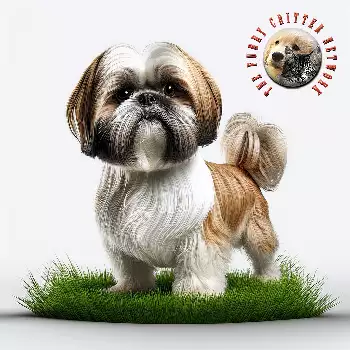
The Shih Tzu is a small, sturdy toy breed that stands between 8 and 11 inches tall at the shoulder and weighs between 9 and 16 pounds. Despite their compact size, Shih Tzus possess a solid, well-proportioned body that conveys an impression of substance and quality. The breed's most distinctive feature is its luxurious double coat, which flows to the ground when maintained at full length and requires considerable grooming commitment to keep in show condition. The head is broad and round, set wide between the eyes, with a warm, sweet, trusting expression that has endeared the breed to dog lovers worldwide for centuries. The Shih Tzu's face is characterized by a short, square muzzle approximately one inch from the tip of the nose to the stop, with a definite stop and a well-developed underjaw that gives proper bite alignment. The large, dark eyes are round but not protruding excessively, set well apart and looking straight ahead with a friendly, welcoming expression. The breed's distinctive facial hair grows upward on the muzzle, creating the chrysanthemum-like appearance that earned them the nickname of chrysanthemum-faced dogs in their native China. This unique hair pattern adds to their charming, almost flower-like facial appearance. The ears are large, heavily coated, and set slightly below the crown of the skull, blending seamlessly into the neck coat. The Shih Tzu's coat is one of its most remarkable features, consisting of a dense, long, flowing outer coat with a good woolly undercoat that provides insulation and body. All colors and markings are acceptable in the breed standard, giving Shih Tzus tremendous variety in appearance from solid colors to intricate parti-patterns. The tail is set high and carried in a graceful curve well over the back, heavily plumed with the hair spreading out and falling elegantly. The breed moves with a smooth, flowing gait that displays good front reach and rear drive, covering ground efficiently despite the short legs. This elegant appearance reflects the breed's aristocratic heritage as companions to Chinese royalty for centuries.
Key Characteristics
Temperament Temperament Temperament Temperament Temperament Temperament Shih Tzus are intelligent dogs capable of learning but may exhibit a stubborn streak that requires patient, consistent training with positive reinforcement methods. They respond well to treats and praise but can become willful if they sense inconsistency in their training. The breed forms strong attachments to their families and can develop separation anxiety if left alone for extended periods, preferring constant companionship. Shih Tzus generally get along well with other pets and dogs, approaching new acquaintances with their characteristic friendly curiosity. Their alert nature makes them effective watchdogs who will announce visitors, though they are not excessive barkers.
Health Considerations Health Considerations Health Considerations Health Considerations Health Considerations Health Considerations Shih Tzus commonly experience dental problems due to their small mouths and crowded teeth, making regular dental care essential. Patellar luxation, where the kneecap slips out of position, affects many small breeds including the Shih Tzu. Ear infections can occur due to the heavily coated, pendant ears that trap moisture and debris. Intervertebral disc disease, hypothyroidism, and liver shunts are other conditions seen in the breed. The breed's long coat requires daily grooming to prevent painful matting, and the facial wrinkles and skin folds need regular cleaning to prevent infection. Health screening and responsible breeding practices help reduce the incidence of hereditary conditions.
Important to Remember
Each hybrid dog is unique and may inherit any combination of traits from either parent breed. The information above represents the characteristics of the purebred parent breeds. Your Sheltie Tzu may favor one parent over the other or display a blend of both. We strongly encourage you to read the complete breed profiles for both the Shetland Sheepdog and Shih Tzu to fully understand the range of possible temperaments, health concerns, and care requirements.