Sheltie Pin
The Sheltie Pin is a cross between the Shetland Sheepdog and the Miniature Pinscher. Because each hybrid inherits a unique combination of traits from both parents, we recommend thoroughly researching both breeds before choosing a Sheltie Pin. Pay special attention to temperament, health issues, and care requirements, as your dog may express characteristics from either parent breed.
Shetland Sheepdog

The Shetland Sheepdog, affectionately known as the Sheltie, is a small to medium-sized herding dog that originated on the Shetland Islands of Scotland. Males typically stand between 13 and 16 inches at the shoulder, while females are slightly smaller. Weight ranges from 14 to 25 pounds, with males generally being heavier than females. The breed possesses a refined, elegant appearance with a body that is slightly longer than it is tall, giving it excellent agility and balance for demanding herding work. The head is a long, blunted wedge shape, tapering slightly from the ears to the nose, and the expression is gentle, intelligent, and questioning. The ears are small, flexible, and carried three-quarters erect with the tips folding forward. The Sheltie's most distinctive feature is its magnificent double coat, which consists of a long, straight, harsh outer coat and a short, furry, dense undercoat. This protective coat was developed to withstand the harsh weather conditions of the Shetland Islands and requires regular grooming to maintain its beauty and health. The abundant mane and frill around the neck and chest are particularly impressive, especially in males. Coat colors include sable ranging from golden to mahogany, tricolor featuring black with white and tan markings, blue merle with a silvery blue base and black marbling, bi-black, and bi-blue. White markings typically appear on the chest, legs, and tail tip, and many Shelties display the classic white blaze on the face. The breed's overall silhouette should appear balanced and symmetrical, with a level topline and a tail that reaches at least to the hock joint. The eyes are medium-sized, almond-shaped, and dark in color, though blue or merle eyes may appear in blue merle dogs. The Sheltie's movement is smooth, effortless, and ground-covering, reflecting its heritage as a tireless working dog capable of herding sheep across rugged terrain for extended periods.
Key Characteristics
Temperament Temperament Temperament Temperament Temperament Temperament Shelties possess moderate to high energy levels and require daily mental and physical stimulation to remain content. They thrive when given tasks to perform and enjoy interactive games, puzzle toys, and training sessions that challenge their minds. The breed generally does well with children and other pets when properly socialized, though their herding instincts may lead them to attempt to herd small children or animals by circling or nipping at heels. Early socialization helps ensure they develop into well-rounded, confident dogs that can adapt to various situations and environments.
Health Considerations Health Considerations Health Considerations Health Considerations Health Considerations Health Considerations Dermatomyositis, sometimes called Sheltie Skin Syndrome, is an inflammatory condition affecting the skin and muscles that appears in young dogs and has a hereditary component. Epilepsy, characterized by recurring seizures without an identifiable cause, can develop in Shelties typically between six months and six years of age. The breed also shows sensitivity to certain medications due to the MDR1 gene mutation, which affects how drugs are processed in the body. Other conditions to monitor include hypothyroidism, patellar luxation, and gallbladder mucoceles. Regular veterinary checkups and genetic testing of breeding dogs help minimize these health risks.
Miniature Pinscher
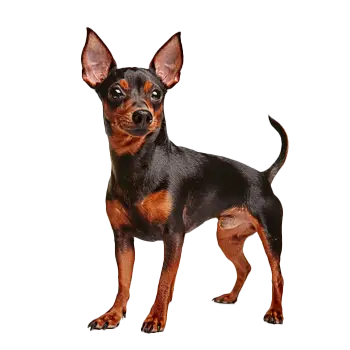
The Miniature Pinscher, affectionately known as the Min Pin or King of Toys, is a small, sturdy dog that originated in Germany where it was developed as a vermin hunter in homes and stables. Despite its name and similar appearance, the breed is not a miniaturized version of the Doberman Pinscher but rather a distinct breed with its own history. Males and females stand between 10 and 12.5 inches at the shoulder and weigh between 8 and 11 pounds. The breed presents a well-balanced, compact appearance with a square body profile where the length of the body equals the height at the withers. The overall impression is one of elegance combined with sturdy construction. The Miniature Pinscher's head is proportionate to the body with a flat skull, slight stop, and strong muzzle that tapers toward the nose. The ears are set high and may be cropped to stand erect or left natural, in which case they fold forward or stand erect. The dark, slightly oval eyes are bright and alert, conveying a characteristic self-assured expression. The neck is gracefully arched and blends smoothly into well-laid-back shoulders. The topline is level or slightly sloping toward the rear, and the tail is set high, carried erect, and typically docked to a length proportionate to the body in countries where this practice is permitted. One of the breed's most distinctive characteristics is its hackney-like gait, a high-stepping action of the front legs that resembles the movement of a hackney horse. This prancing movement is unique among toy breeds and adds to the Min Pin's confident, animated appearance. The coat is smooth, short, hard, and lustrous, lying close to the body and requiring minimal grooming. Accepted colors include solid clear red, stag red with intermingled black hairs, black with sharply defined rust-red markings, and chocolate with rust-red markings. The rust markings appear above each eye, on the cheeks, lips, lower jaw, throat, chest, legs, and beneath the tail.
Key Characteristics
Temperament Temperament Temperament Temperament Temperament Temperament Despite their tough exterior, Miniature Pinschers form strong bonds with their families and can be affectionate companions. They tend to attach most closely to one or two family members while remaining friendly with others. The breed's high energy levels require daily exercise and mental stimulation to prevent destructive behaviors born of boredom. Min Pins may not be ideal for families with very young children due to their small size and low tolerance for rough handling. They can coexist with other pets when raised together but may display dominance toward other dogs regardless of size. Their prey drive may cause them to chase smaller animals.
Health Considerations Health Considerations Health Considerations Health Considerations Health Considerations Health Considerations Epilepsy, characterized by recurring seizures, occurs in the breed and may develop at any age though it most commonly appears in young to middle-aged dogs. The condition is typically manageable with medication but requires lifelong treatment and monitoring. Hypothyroidism, an underactive thyroid gland, can cause symptoms including weight gain, lethargy, skin problems, and coat changes. Mitral valve disease, a progressive heart condition where the valve between the left chambers of the heart deteriorates, becomes more common in older Miniature Pinschers. Mucopolysaccharidosis type VI is a rare inherited metabolic disorder that has been identified in the breed. Dental problems are common due to crowding in the small jaw, requiring regular dental care and professional cleanings.
Important to Remember
Each hybrid dog is unique and may inherit any combination of traits from either parent breed. The information above represents the characteristics of the purebred parent breeds. Your Sheltie Pin may favor one parent over the other or display a blend of both. We strongly encourage you to read the complete breed profiles for both the Shetland Sheepdog and Miniature Pinscher to fully understand the range of possible temperaments, health concerns, and care requirements.