Shelchon
The Shelchon is a cross between the Bichon Frise and the Shetland Sheepdog. Because each hybrid inherits a unique combination of traits from both parents, we recommend thoroughly researching both breeds before choosing a Shelchon. Pay special attention to temperament, health issues, and care requirements, as your dog may express characteristics from either parent breed.
Bichon Frise
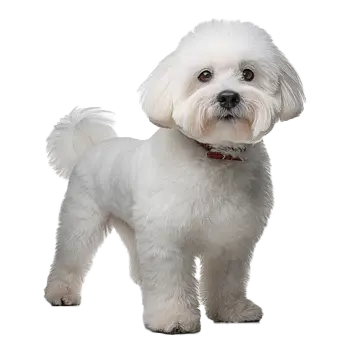
The Bichon Frise is a small, sturdy companion dog that stands 9 to 12 inches at the shoulder and typically weighs between 10 and 18 pounds, with an ideal weight ranging from 7 to 12 pounds. Despite their compact size, they possess a surprisingly solid and well-proportioned body with moderate bone structure. The chest is well developed and reaches to the elbow, while the back is level and muscular. Their movement is free, precise, and effortless, with the forelegs and hind legs extending equally with an easy reach and drive that maintains a steady topline. The overall impression is one of a merry, playful dog with a powder-puff appearance that belies their substantial build. The Bichon's hallmark feature is its distinctive white, fluffy double coat that creates their characteristic powder-puff look. The outer coat consists of curly, coarse-textured hair, while the undercoat is soft and dense. The coat is always white, though puppies may have slight cream or apricot shadings that typically fade with maturity. When properly groomed, the coat is trimmed to reveal the natural outline of the body while maintaining the characteristic rounded appearance of the head and body. The coat requires regular professional grooming every four to six weeks to maintain its distinctive appearance and prevent matting. The head is slightly rounded with a moderately pronounced stop that creates a distinctive break between the skull and muzzle. The skull is broad and somewhat rounded, though not coarse, and the muzzle is proportionate to the skull. The eyes are round, expressive, and black or dark brown in color, set to look directly forward and surrounded by dark halos that enhance their gentle expression. The nose is prominently black and velvety. The ears are drop-shaped, covered with flowing hair, and set slightly above eye level, framing the face when the dog is alert. The plumed tail is set level with the topline and curves gracefully over the back without touching it, adding to the breed's elegant silhouette.
Key Characteristics
Temperament Temperament Temperament Temperament Temperament Temperament Despite their sunny disposition, Bichons can suffer from separation anxiety when left alone for extended periods. They form such strong bonds with their human family members that isolation can cause significant distress, potentially leading to excessive barking or destructive behavior. Early training to become comfortable with brief periods of separation can help prevent these issues from developing. Bichons generally get along wonderfully with children, other dogs, and even cats when properly introduced and socialized from a young age. They can occasionally be possessive about their food or toys and may exhibit feisty behavior if their resources are threatened, making supervision during interactions with young children advisable.
Health Considerations Health Considerations Health Considerations Health Considerations Health Considerations Health Considerations Eye problems including cataracts and corneal dystrophy can affect the breed and may lead to vision impairment if not addressed. Regular ophthalmic examinations can help catch these conditions early when treatment may be most effective. Bichons are predisposed to certain liver conditions, including portosystemic shunts where blood bypasses the liver, preventing proper detoxification. Bladder stones, diabetes, Cushing's disease, and Legg-Calve-Perthes disease affecting the hip joint are other conditions seen in the breed. Atlantoaxial subluxation, an instability in the first two neck vertebrae, can occur and may cause sudden spinal cord injury requiring careful handling and potentially surgical intervention. Regular veterinary checkups and health screenings help ensure early detection and management of these conditions.
Shetland Sheepdog

The Shetland Sheepdog is a small to medium-sized herding dog that stands between 13 and 16 inches at the shoulder and typically weighs 14 to 27 pounds. Despite their smaller stature, they present a picture of strength and agility with a well-balanced, symmetrical outline that suggests both refinement and working capability. The body is moderately long in proportion to height, with a deep chest that reaches to the elbow and well-sprung ribs that provide adequate lung capacity. Their movement is smooth, effortless, and ground-covering, with the hallmark grace and economy of motion that reflects their herding heritage. Often mistaken for a miniature Rough Collie, the Sheltie is actually a distinct breed that was developed independently on the remote Shetland Islands off the coast of Scotland. The Shetland Sheepdog possesses a magnificent double coat that is one of its most striking and recognizable features. The outer coat consists of long, straight, harsh-textured hair, while the undercoat is short, dense, and furry, providing excellent insulation against the harsh maritime weather of their island homeland. The mane and frill around the neck are particularly abundant in males, giving the dog an impressive and dignified appearance. Recognized colors include sable ranging from golden to deep mahogany, tricolor with black, white, and tan markings, blue merle with a marbled gray and blue pattern, black and white, and black and tan. White markings typically appear on the chest, legs, and collar, adding to the breed's elegant presentation. The head is refined and elegant with a long, wedge-shaped appearance when viewed from above or the side. The skull is flat with a slight but definite stop, and the muzzle is equal in length to the skull, creating a balanced profile. Almond-shaped eyes are set obliquely and are dark in color, except in blue merles where blue or merle eyes are permitted and add to their striking appearance. The ears are small, flexible, and set high, carried three-quarters erect with the tips folding forward, giving an alert and intelligent expression. The overall appearance conveys sensitivity, intelligence, and willingness that characterizes this devoted and versatile breed.
Key Characteristics
Temperament Temperament Temperament Temperament Temperament Temperament The breed's herding instincts remain strong, and Shelties may attempt to herd children, other pets, or moving objects by circling and occasionally nipping at heels. These behaviors can be redirected through training and by providing appropriate outlets such as agility courses, herding trials, or other dog sports where their natural abilities can shine. Their sweet, gentle temperament combined with their intelligence and trainability makes them adaptable to many living situations, though they require regular mental stimulation and physical exercise to remain content. Shelties are peaceful with other animals and polite with everyone they meet once they become familiar with them.
Health Considerations Health Considerations Health Considerations Health Considerations Health Considerations Health Considerations Von Willebrand disease, a blood clotting disorder, affects an estimated 23 percent of Shetland Sheepdogs to varying degrees. Dogs with this condition may experience excessive bleeding from minor injuries or during surgical procedures. The MDR1 gene mutation, which causes drug sensitivity, is also present in the Sheltie population and requires genetic testing before administering certain medications. Dermatomyositis, sometimes called Sheltie Skin Syndrome, is an inherited inflammatory condition affecting the skin, muscles, and blood vessels that occurs primarily in Shelties and Collies. Thyroid disease, epilepsy, patellar luxation, and gallbladder mucoceles are additional conditions seen in the breed. Responsible breeders conduct health testing to minimize the risk of passing these conditions to offspring.
Important to Remember
Each hybrid dog is unique and may inherit any combination of traits from either parent breed. The information above represents the characteristics of the purebred parent breeds. Your Shelchon may favor one parent over the other or display a blend of both. We strongly encourage you to read the complete breed profiles for both the Bichon Frise and Shetland Sheepdog to fully understand the range of possible temperaments, health concerns, and care requirements.