Sharberian Husky
The Sharberian Husky is a cross between the Chinese Shar-Pei and the Siberian Husky. Because each hybrid inherits a unique combination of traits from both parents, we recommend thoroughly researching both breeds before choosing a Sharberian Husky. Pay special attention to temperament, health issues, and care requirements, as your dog may express characteristics from either parent breed.
Chinese Shar-Pei

The Chinese Shar-Pei is a medium-sized dog breed renowned for its distinctive wrinkled skin and unique appearance that sets it apart from all other breeds. Standing between 18 to 20 inches at the shoulder and weighing 45 to 60 pounds, this breed presents a compact yet muscular build with a square profile when viewed from the side. The body is slightly longer than it is tall, with well-developed muscles and a broad, flat head that features a characteristic hippopotamus-like muzzle with padded lips. The small, triangular ears lie flat against the head but remain alert to sounds, while the deep-set, dark eyes give the breed its signature sorrowful yet dignified expression that captivates admirers worldwide. The breed's name translates to "sand skin" in Chinese, referring to the short, harsh coat that feels rough and bristly to the touch, almost like sandpaper. This distinctive coat comes in two primary varieties accepted by breed standards: the extremely short and bristly horse coat measuring less than one-quarter inch, and the slightly longer brush coat that can reach up to one inch in length. The Shar-Pei's coat appears in numerous solid colors including black, red, fawn, cream, chocolate, and the distinctive dilute blue that appears grayish. Some dogs display sable coloring with black-tipped hairs over a lighter base, creating an attractive shaded appearance. A rare bear coat variety exists with longer, fluffy fur but is not accepted in show standards. One of the most striking features of the Shar-Pei is its heavily wrinkled skin, which is most prominent on the head, neck, and withers, giving the impression that the dog is wearing an oversized suit. While puppies appear extremely wrinkled throughout their bodies, adult dogs retain most wrinkles only on the face and shoulders as they mature into their skin. The breed shares a unique trait with only the Chow Chow: a blue-black tongue caused by heavy pigmentation that adds to its distinctive and unusual appearance. The tail is set high and carried in a tight curl over the back or to either side, completing the breed's unmistakable silhouette.
Key Characteristics
Temperament Temperament Temperament Temperament Temperament Temperament Despite their serious demeanor, Shar-Peis can be quite playful and affectionate with their families in private settings. They possess moderate energy levels that make them adaptable to various living situations, including apartment life, provided they receive adequate daily exercise. This breed tends to be quiet and well-mannered indoors, preferring calm environments where they can rest near their owners. The Shar-Pei generally does well with children it has been raised with but should always be supervised around younger kids due to its size and independent nature.
Health Considerations Health Considerations Health Considerations Health Considerations Health Considerations Health Considerations Other health concerns in the Shar-Pei include hypothyroidism, which affects the thyroid gland's hormone production and can cause weight gain, lethargy, and skin problems. Hip dysplasia, though less common than in larger breeds, still occurs and can lead to arthritis and mobility issues. The breed may also develop mast cell tumors and other skin cancers at higher rates than the general dog population. The average lifespan for a Shar-Pei ranges from 10.6 to 12.7 years, and prospective owners should ensure they work with reputable breeders who screen for hereditary conditions and maintain detailed health records.
Siberian Husky
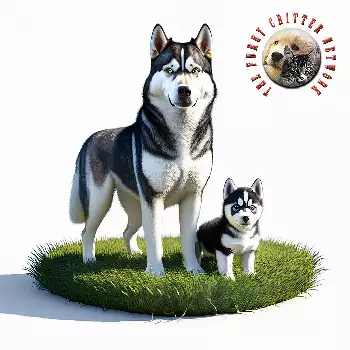
The Siberian Husky is a medium-sized working sled dog that combines power, speed, and endurance in an athletic yet graceful package. Males typically stand 21 to 23.5 inches at the shoulder and weigh 45 to 60 pounds, while females measure 20 to 22 inches and weigh 35 to 50 pounds. The breed presents a moderately compact body that is slightly longer than it is tall, with well-balanced proportions that reflect its original purpose of pulling light loads at moderate speeds over vast frozen distances. The overall appearance suggests a capable working dog without excess bulk, built for efficiency and stamina rather than raw power. The head of the Siberian Husky is medium-sized and well-proportioned to the body, featuring a slightly rounded skull and a well-defined stop. The muzzle tapers gradually toward the nose and is neither snipey nor heavy, with a nose color that corresponds to the coat color, appearing black in gray, tan, or black dogs, and liver-colored in copper-red individuals. The almond-shaped eyes set slightly obliquely are perhaps the breed's most captivating feature, occurring in brown, blue, or one of each color, a condition known as heterochromia that is accepted and even prized in the breed. The medium-sized, triangular ears sit high on the head, are thick and well-furred, and stand firmly erect with slightly rounded tips. The Siberian Husky possesses a dense double coat designed to withstand extreme cold, consisting of a soft, thick undercoat and medium-length guard hairs that lie smoothly against the body. This insulating coat protects against temperatures as low as minus 50 degrees Fahrenheit while also reflecting heat in warmer conditions. The breed appears in all colors from black to pure white, with common patterns including black and white, gray and white, copper-red and white, and the striking agouti pattern. Facial markings vary widely, including distinctive masks, spectacles, and other patterns that contribute to the breed's wolf-like appearance. The well-furred tail resembles a fox brush and is carried in a graceful sickle curve over the back when alert.
Key Characteristics
Temperament Temperament Temperament Temperament Temperament Temperament High energy and an irrepressible desire for activity characterize the Siberian Husky's daily life. These dogs require substantial exercise, typically one to two hours daily, to maintain physical and mental well-being. Without adequate outlets for their energy, Huskies may develop destructive behaviors including digging, chewing, and escape attempts that exploit their remarkable problem-solving abilities. The breed is notorious for escape artistry, capable of jumping, climbing, or digging under fences to explore the world beyond their yard. A strong prey drive means Huskies should not be trusted off-leash in unfenced areas and may pose risks to small animals including cats, rabbits, and small dogs.
Health Considerations Health Considerations Health Considerations Health Considerations Health Considerations Health Considerations Hip dysplasia occurs in Siberian Huskies, though at lower rates than many other breeds of similar size. This condition causes malformation of the hip joint leading to arthritis and lameness. Hypothyroidism affects the breed at elevated rates, causing symptoms including weight gain, lethargy, hair loss, and skin problems that require lifelong hormone supplementation to manage. Zinc-responsive dermatosis, sometimes called zinc deficiency, causes hair loss and crusty skin lesions particularly around the face, eyes, and paws, requiring dietary supplementation. Epilepsy and follicular dysplasia round out the list of concerns that owners should monitor for throughout their Husky's life.
Important to Remember
Each hybrid dog is unique and may inherit any combination of traits from either parent breed. The information above represents the characteristics of the purebred parent breeds. Your Sharberian Husky may favor one parent over the other or display a blend of both. We strongly encourage you to read the complete breed profiles for both the Chinese Shar-Pei and Siberian Husky to fully understand the range of possible temperaments, health concerns, and care requirements.