Shairn-Inu
The Shairn-Inu is a cross between the Cairn Terrier and the Shiba Inu. Because each hybrid inherits a unique combination of traits from both parents, we recommend thoroughly researching both breeds before choosing a Shairn-Inu. Pay special attention to temperament, health issues, and care requirements, as your dog may express characteristics from either parent breed.
Cairn Terrier
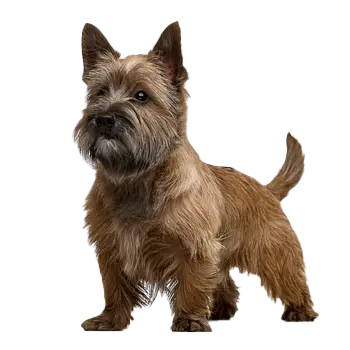
The Cairn Terrier is a small, hardy working dog that presents an active, game, and natural appearance without excessive grooming or stylization. Standing approximately nine to ten inches at the withers for females and about ten inches for males, with weights averaging thirteen pounds for females and fourteen pounds for males, this compact terrier displays ideal proportions for its original purpose of hunting vermin among the rocky cairns of the Scottish Highlands. The body is well-muscled, strong, and active, with deep, well-sprung ribs and strong hindquarters that provide the agility and power needed for scrambling through rocky terrain. The length of body from front of chest to back of hindquarters measures approximately fourteen to fifteen inches. The Cairn Terrier's coat is a critically important characteristic, consisting of a weather-resistant double coat that provides protection from the harsh Scottish climate. The outer coat is profuse, harsh, and somewhat shaggy but not coarse, while the undercoat is short, soft, and close to the skin. This coat requires regular brushing and occasional hand-stripping to maintain proper texture and appearance. The accepted colors include cream, wheaten, red, gray, and nearly black, with brindling acceptable in all colors. Solid black, solid white, and black and tan colorings are not permitted. Dark points on the ears, muzzle, and tail tip are considered typical and desirable. The head is shorter and wider than any other terrier breed and is well-furnished with hair, giving the Cairn its characteristic foxy expression. The skull is broad in proportion to its length with a decided stop and a slight indentation between the eyes. The muzzle is strong and powerful but not overly long or heavy. The eyes are set wide apart, medium-sized, and dark hazel in color, appearing slightly sunken with shaggy eyebrows that contribute to the breed's alert expression. The ears are small, pointed, well-carried, and erect, set wide apart on the side of the head and free from long hair. The tail is in proportion to the head, well-furnished with hair but not feathery, and carried gaily without curling over the back. Cairn Terriers typically enjoy a lifespan of thirteen to sixteen years.
Key Characteristics
Temperament Temperament Temperament Temperament Temperament Temperament Cairn Terriers are active dogs that require regular physical exercise and mental stimulation to remain content. They are natural diggers and may excavate impressive holes if left unsupervised in the yard, a behavior stemming from their heritage of pursuing vermin underground. The breed may bark more than some owners expect, particularly at unusual sounds or unfamiliar visitors, making them excellent alert dogs. They generally get along well with children, especially when raised together, though their play may be too rowdy for very young children. While they can coexist with other dogs when properly socialized, their assertive nature may lead to conflicts, particularly with dogs of the same sex.
Health Considerations Health Considerations Health Considerations Health Considerations Health Considerations Health Considerations Luxating patella is common in Cairn Terriers as in many small breeds, involving displacement of the kneecap from its normal position. Severity ranges from mild, with occasional skipping, to severe, requiring surgical correction. Legg-Calve-Perthes disease affects the hip joint in young dogs, causing deterioration of the femoral head and resulting in pain and lameness. Eye conditions including cataracts, progressive retinal atrophy, and glaucoma should be monitored through regular veterinary eye examinations. Allergies affecting the skin are relatively common and may require ongoing management. The breed may be predisposed to renal dysplasia affecting kidney development, and liver shunts have been documented. Regular veterinary care, appropriate health screening, and awareness of these conditions help ensure Cairn Terriers enjoy long, healthy lives.
Shiba Inu

The Shiba Inu is a small to medium-sized Spitz-type breed that presents a compact, well-balanced, and agile appearance reflecting its heritage as a hunting dog in the mountainous regions of Japan. Males typically stand fourteen to sixteen inches at the shoulder and weigh between twenty-three and twenty-seven pounds, while females are slightly smaller at thirteen to fifteen inches and seventeen to twenty-three pounds. The overall impression should be one of balance and proportion, with the male appearing distinctly masculine and the female distinctly feminine. The body is well-muscled and dry, with moderate bone that conveys strength without heaviness. The coat of the Shiba Inu is perhaps its most visually striking feature, consisting of a double coat with a stiff, straight outer coat standing off the body and a soft, thick undercoat that provides excellent insulation. Guard hairs on the body are approximately one and a half to two inches in length, while the fur on the face, ears, and legs is shorter and more even. The tail is set high and carried curled or curved over the back in a characteristic sickle or loose curl. Coat colors include red, sesame (red with black-tipped hairs), black and tan, and cream, though cream is considered a serious fault in show dogs as it obscures the required urajiro markings. Urajiro, meaning underside white in Japanese, is a distinctive pattern of cream to white markings required on all Shiba Inu coat colors. These markings must appear on the sides of the muzzle, cheeks, inside the ears, on the underjaw and throat, inside the legs, on the abdomen, around the vent, and on the ventral side of the tail. The head features a broad forehead with a moderate furrow, a definite stop, and a well-balanced muzzle that tapers slightly toward the nose. The eyes are somewhat triangular and dark brown, set with a slight upward slant at the outer corners that contributes to the breed's alert, fox-like expression. The ears are triangular, firmly pricked, and set well apart, tilting slightly forward. Shiba Inus typically live thirteen to sixteen years.
Key Characteristics
Temperament Temperament Temperament Temperament Temperament Temperament Training a Shiba Inu requires patience, consistency, and creative approaches, as the breed's intelligence is matched by a stubborn streak that can make traditional obedience training challenging. They respond best to positive reinforcement methods and may simply refuse to comply with requests they find unreasonable. The breed possesses a strong prey drive inherited from its hunting heritage, making reliable off-leash recall extremely difficult to achieve. Shibas may display possessive behaviors with food, toys, or territory without proper training and socialization. They can be selective about canine companions and may exhibit dog aggression, particularly toward dogs of the same sex. Despite these challenges, devoted Shiba owners find their bold personality and striking appearance irresistible.
Health Considerations Health Considerations Health Considerations Health Considerations Health Considerations Health Considerations Allergies are relatively common in Shiba Inus and may manifest as skin irritation, itching, ear infections, or chronic paw licking. These allergies may be environmental, food-related, or caused by flea bites, and often require ongoing management through dietary modifications, medications, or avoidance of triggers. GM1 and GM2 Gangliosidosis are rare but serious inherited metabolic disorders affecting the nervous system, with symptoms appearing in young dogs and progressing to severe neurological impairment. DNA testing is available to identify carriers. Hypothyroidism affects the breed and can cause weight gain, lethargy, and coat changes when the thyroid gland produces insufficient hormones. Regular dental care is important as Shibas may develop periodontal disease more quickly than some other breeds. Neuronal ceroid lipofuscinosis is another inherited neurological condition documented in the breed.
Important to Remember
Each hybrid dog is unique and may inherit any combination of traits from either parent breed. The information above represents the characteristics of the purebred parent breeds. Your Shairn-Inu may favor one parent over the other or display a blend of both. We strongly encourage you to read the complete breed profiles for both the Cairn Terrier and Shiba Inu to fully understand the range of possible temperaments, health concerns, and care requirements.