Scottish-Skye Terrier
The Scottish-Skye Terrier is a cross between the Scottish Terrier and the Skye Terrier. Because each hybrid inherits a unique combination of traits from both parents, we recommend thoroughly researching both breeds before choosing a Scottish-Skye Terrier. Pay special attention to temperament, health issues, and care requirements, as your dog may express characteristics from either parent breed.
Scottish Terrier
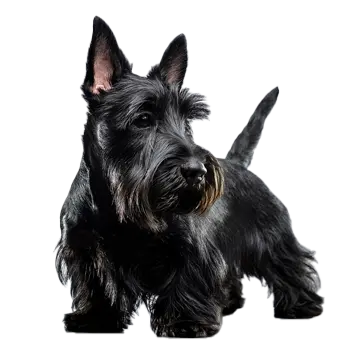
The Scottish Terrier is a small, compact, and sturdily built dog that stands approximately ten inches tall at the withers and weighs between eighteen and twenty-two pounds, with males typically ranging from nineteen to twenty-two pounds and females from eighteen to twenty-one pounds. The breed possesses a distinctive silhouette characterized by short, heavy legs that support a thick-set, cobby body hung low to the ground. The overall build conveys remarkable substance and bone density for a dog of this size, presenting a well-proportioned appearance with a level back measuring approximately eleven inches from withers to tail set. The breed's physical structure was specifically developed to pursue quarry underground, requiring a combination of strength, agility, and determination. The Scottish Terrier's coat is one of its most distinguishing features, consisting of a hard, wiry, weather-resistant outer coat paired with a soft, dense undercoat that provides excellent protection in harsh climates. The coat colors include black, wheaten, and various shades of brindle, with many black and brindle specimens displaying normal sprinklings of white or silver hairs. The coat naturally brushes the ground like a long skirt when left untrimmed and sheds minimally, making regular grooming essential. The breed's facial furnishings are particularly notable, featuring a distinctive beard that accentuates the muzzle and long, shaggy eyebrows that contribute to the characteristic Scottish Terrier expression. The head is long in proportion to the overall body size, with a flat skull of medium width and a slight but definite stop between the eyes. The muzzle is approximately equal in length to the skull and should be well-filled under the eyes without appearing snippy. The nose is always black regardless of coat color and projects somewhat over the mouth. The ears are small, thin, pointed, and carried erectly, while the eyes are small, bright, and piercing with a keen, alert expression. The tail is set high and carried erect, completing the breed's bold and dignified appearance. Scottish Terriers have a typical lifespan of twelve to fifteen years.
Key Characteristics
Temperament Temperament Temperament Temperament Temperament Temperament Despite their independent nature, Scottish Terriers are loving and devoted companions that thrive on routine and consistency. They make excellent watchdogs with their alert nature and powerful bark that seems surprisingly loud for their size. The breed adapts well to various living situations, from city apartments to country homes, provided they receive moderate daily exercise through walks or playtime in a securely fenced yard. Early socialization is crucial to help them develop appropriate responses to new people, animals, and situations throughout their lives.
Health Considerations Health Considerations Health Considerations Health Considerations Health Considerations Health Considerations Other health concerns include patellar luxation, where the kneecap slips out of its normal position, and craniomandibular osteopathy, a painful bone disease affecting the jaw and skull in puppies. Cerebellar abiotrophy, a progressive neurological condition, has also been documented in the breed. Scottish Terriers are more prone to dental disease than many other breeds, making regular dental care essential. Responsible breeders conduct appropriate health screenings on breeding stock to reduce the incidence of these inherited conditions. Regular veterinary care, a balanced diet, and appropriate exercise help maintain optimal health throughout the dog's life.
Skye Terrier
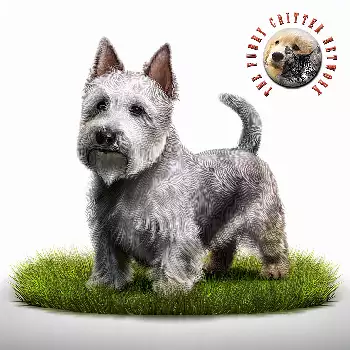
The Skye Terrier is a distinctively elegant breed characterized by its remarkably long body and low stature, standing only nine to ten inches tall at the shoulder while weighing between twenty-five and forty pounds. The breed's most striking physical characteristic is its body length, which measures twice as long as its height, creating an unmistakable elongated silhouette. This unique body proportion was developed to allow the dog to navigate and hunt in rocky terrain and underground dens on the Isle of Skye. Despite their low-slung appearance, Skye Terriers possess considerable substance and bone, with well-developed musculature that belies their graceful appearance. The coat of the Skye Terrier is perhaps its most glamorous feature, consisting of a long, flowing double coat that hangs straight down on either side of the body. The outer coat is hard and straight, measuring approximately five and a half inches in length, while the soft, woolly undercoat provides insulation. The coat parts naturally along the spine and covers the forehead and eyes with a characteristic veil of hair. Coat colors include black, various shades of blue, dark or light gray, silver platinum, fawn, and cream, always with black points on the ears, muzzle, and tail tip. The ears may be either prick or drop, with prick ears being preferred in some standards, and both types are heavily feathered. The head is long and powerful without appearing coarse, with a moderately wide skull that narrows slightly toward the muzzle. The stop is slight but definite, and the muzzle is strong with a black nose. The eyes are medium-sized, close-set, and brown, preferably dark brown, conveying an intelligent and gentle expression through the veil of hair. The Skye Terrier's movement is described as smooth and ground-covering, appearing effortless despite the long coat. The breed is now considered rare and has been classified as a vulnerable native breed in the United Kingdom, with conservation efforts underway to preserve this ancient Scottish terrier. Skye Terriers typically live twelve to fourteen years.
Key Characteristics
Temperament Temperament Temperament Temperament Temperament Temperament Skye Terriers are good-tempered and loyal companions that thrive in households where they receive adequate attention and companionship. They are not as high-energy as many terrier breeds and are content with moderate exercise, making them suitable for less active households. Early socialization is essential to prevent excessive shyness or wariness of strangers. The breed can be selective about canine companions but generally gets along with other pets when properly introduced. Their alert nature makes them excellent watchdogs, and they will readily alert their owners to unusual occurrences. Skyes require owners who appreciate their unique personality and can provide the consistent, gentle leadership they respect.
Health Considerations Health Considerations Health Considerations Health Considerations Health Considerations Health Considerations Other health concerns documented in the breed include hypothyroidism, renal dysplasia affecting kidney development, and von Willebrand's disease, an inherited bleeding disorder. Females may have an increased risk of mammary cancer, making spaying a consideration for non-breeding dogs. Hip and elbow dysplasia can occur despite the breed's relatively small size. Eye conditions should be monitored through regular examinations. The breed's rare status means that genetic diversity is limited, making careful breeding practices essential to maintain health in future generations. Skye Terriers typically enjoy a lifespan of twelve to fourteen years with appropriate care and health monitoring.
Important to Remember
Each hybrid dog is unique and may inherit any combination of traits from either parent breed. The information above represents the characteristics of the purebred parent breeds. Your Scottish-Skye Terrier may favor one parent over the other or display a blend of both. We strongly encourage you to read the complete breed profiles for both the Scottish Terrier and Skye Terrier to fully understand the range of possible temperaments, health concerns, and care requirements.