Scotti Apso
The Scotti Apso is a cross between the Lhasa Apso and the Scottish Terrier. Because each hybrid inherits a unique combination of traits from both parents, we recommend thoroughly researching both breeds before choosing a Scotti Apso. Pay special attention to temperament, health issues, and care requirements, as your dog may express characteristics from either parent breed.
Lhasa Apso

The Lhasa Apso is a small but sturdy companion breed that stands between 10 and 11 inches tall at the shoulder and typically weighs between 12 and 18 pounds. This breed possesses a well-balanced body structure that belies its compact size, with a solid frame that allowed it to thrive in the harsh Himalayan mountain environment where it originated at elevations up to 13,000 feet above sea level. The breed carries itself with confidence and dignity, displaying a distinctive rectangular silhouette when viewed from the side with a level topline, well-sprung ribs, and a well-developed chest that provides ample lung capacity. The most striking feature of the Lhasa Apso is its magnificent double coat, which consists of a heavy, straight, and dense outer layer paired with a moderate undercoat that provided essential insulation in the freezing Tibetan climate. The coat is characteristically long and flowing, often reaching floor length when properly maintained, and naturally parts down the center of the back from head to tail. Acceptable colors include a wide spectrum ranging from golden, honey, and sandy shades to darker tones like slate, smoke, and black, as well as parti-colors and white. The abundant facial hair forms a distinctive beard and mustache, while long hair falls gracefully over the eyes, contributing to the breed's unique leonine appearance that earned it the name meaning 'bearded lion dog.' The head is moderately narrow with a skull that is neither domed nor completely flat, featuring a moderate stop between the forehead and muzzle. Dark brown eyes are medium-sized and deeply set, giving the breed an intelligent and alert expression that reflects its watchdog heritage. The ears are pendant, heavily feathered, and hang close to the head. The muzzle is of medium length, roughly one-third the total head length, with a black nose that may be liver-colored in lighter-coated dogs. The strong jaw is slightly undershot or level. The tail is well-feathered and carried in a distinctive screw fashion over the back, sometimes with a small kink at the tip, adding to the breed's balanced appearance.
Key Characteristics
Temperament Temperament Temperament Temperament Temperament Temperament The Lhasa's wariness of strangers is deeply ingrained, stemming from generations of selective breeding for alertness. Early socialization is essential to help puppies develop into well-adjusted adults who can distinguish between genuine threats and everyday encounters. With proper guidance, they become discerning companions who are neither overly aggressive nor inappropriately friendly with newcomers. Their loyalty runs deep, often forming an especially strong attachment to one particular family member while remaining affectionate with the entire household.
Health Considerations Health Considerations Health Considerations Health Considerations Health Considerations Health Considerations Renal dysplasia is a particularly serious hereditary condition in Lhasa Apsos where the kidneys develop abnormally, leading to progressive kidney failure. This condition typically manifests in young dogs between six months and two years of age and unfortunately has no cure. Responsible breeders screen their dogs to reduce the incidence of this devastating disease. Other health concerns include patellar luxation, where the kneecap slips out of position, and intervertebral disc disease, which can cause back pain and mobility issues. The breed is also prone to dental problems due to their small mouths, making regular dental care essential. Additionally, their somewhat flattened facial structure can occasionally contribute to mild breathing difficulties, particularly in hot weather or during strenuous exercise.
Scottish Terrier
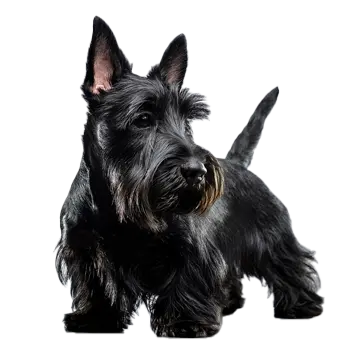
The Scottish Terrier is a compact, short-legged terrier that presents a distinctive silhouette instantly recognizable to dog enthusiasts worldwide. Standing approximately 10 inches at the shoulder and weighing between 18 and 22 pounds for males and slightly less for females, the Scottie projects an impression of immense power and agility packed into a small, sturdy frame. The breed's body is moderately short with a broad, deep chest that extends well down between the forelegs, and the back is short, muscular, and level, creating a square appearance when viewed from the side that epitomizes terrier type. The Scottish Terrier's weather-resistant double coat is one of its defining characteristics, consisting of a hard, wiry outer coat approximately two inches in length combined with a soft, dense undercoat that provides excellent insulation against harsh weather conditions. Acceptable colors include black, wheaten ranging from light straw to deep reddish-gold, and various shades of brindle. The coat requires regular professional grooming to maintain its characteristic appearance, with hand-stripping preferred for show dogs to preserve the proper harsh texture. The longer hair on the beard, eyebrows, legs, and lower body creates the breed's distinctive furnishings that contribute to its unmistakable profile and distinguished appearance. The head is long and moderately narrow, appearing large relative to the body size, with a slight stop between the skull and muzzle. Small, almond-shaped eyes are set wide apart and deeply under the brow, projecting a keen, piercing expression that conveys the breed's sharp intelligence and alert nature. The erect, pointed ears are small, never cut, and set well up on the skull, always covered with short, velvety hair. The powerful jaws house large teeth that meet in a scissors or level bite. The characteristic beard and prominent eyebrows give the Scottie its wise, almost stern expression that has charmed admirers for generations. The moderately short tail is carried erect and is thicker at the base, tapering slightly toward the tip, adding to the breed's alert, confident appearance.
Key Characteristics
Temperament Temperament Temperament Temperament Temperament Temperament The Scottish Terrier's terrier heritage means they possess a strong prey drive and may not be suitable for homes with smaller pets. They can be territorial and assertive with other dogs, sometimes challenging much larger animals without regard for the size difference. This bold, fearless nature extends to their role as family guardians, where they take their protective duties seriously. Despite their serious demeanor, Scotties can be playful and entertaining in familiar surroundings, though they tend to mature from rambunctious puppies into more dignified adults. They require regular mental stimulation and physical exercise to remain content and well-behaved.
Health Considerations Health Considerations Health Considerations Health Considerations Health Considerations Health Considerations Scottish Terriers face a significantly elevated risk of bladder cancer, specifically transitional cell carcinoma, with studies indicating they are 18 to 20 times more likely to develop this cancer compared to other breeds. Early detection through regular veterinary examinations and awareness of symptoms such as bloody urine, difficulty urinating, or frequent urination attempts can improve outcomes. Other health concerns include craniomandibular osteopathy, a painful bone disease affecting the jaw in puppies, and various eye conditions including cataracts and progressive retinal atrophy. The breed's relatively high rate of cesarean sections during birth, estimated at around 60 percent, reflects the combination of large puppy heads and the dam's narrow pelvis. Regular dental care is important, as Scotties are prone to periodontal disease, and maintaining a healthy weight helps prevent stress on their compact skeletal structure.
Important to Remember
Each hybrid dog is unique and may inherit any combination of traits from either parent breed. The information above represents the characteristics of the purebred parent breeds. Your Scotti Apso may favor one parent over the other or display a blend of both. We strongly encourage you to read the complete breed profiles for both the Lhasa Apso and Scottish Terrier to fully understand the range of possible temperaments, health concerns, and care requirements.