Scotchi
The Scotchi is a cross between the Scottish Terrier and the Chihuahua. Because each hybrid inherits a unique combination of traits from both parents, we recommend thoroughly researching both breeds before choosing a Scotchi. Pay special attention to temperament, health issues, and care requirements, as your dog may express characteristics from either parent breed.
Scottish Terrier
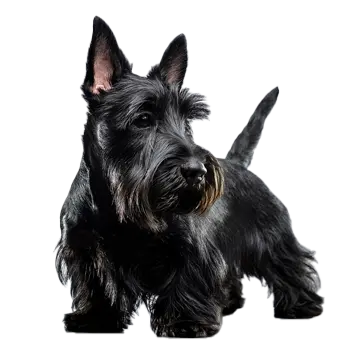
The Scottish Terrier is a small, compact, and sturdy terrier breed that presents a distinctive silhouette recognized worldwide. Standing approximately 10 inches tall at the shoulder and weighing between 18 to 22 pounds for males and 18 to 21 pounds for females, the Scottie possesses a low-to-the-ground build with short legs that belie its remarkable strength and agility. The breed's body is thick-set and cobby, with a broad chest and well-developed hindquarters that contribute to its powerful appearance. The head is long and distinctive, appearing almost too large for the body, with a slight stop and a strong, moderately long muzzle that houses impressively large teeth for a dog of this size. The neck is moderately short but muscular and flows smoothly into well-laid-back shoulders. The Scottish Terrier's coat is one of its most distinguishing features, consisting of a hard, wiry outer layer and a soft, dense undercoat that provides excellent weather protection for working in harsh Scottish terrain. The coat is longer on the beard, eyebrows, and legs, creating the breed's characteristic furnishings that give Scotties their unmistakable profile. Acceptable coat colors include black, which is most common, wheaten ranging from light straw to deep gold, and brindle in various patterns mixing dark and light hairs. The grooming requirements for this double coat include regular brushing several times weekly and professional hand-stripping or clipping every few months to maintain the proper texture and appearance. The breed's expression is enhanced by its small, almond-shaped eyes that are dark brown in color and set wide apart under prominent, bushy eyebrows that help protect the eyes during underground work. The ears are small, pointed, and covered with short velvety fur, carried firmly erect and contributing to the alert, keen expression that typifies this breed. The tail is moderately long, thick at the base, and carried upright with a slight curve, adding to the Scottie's dignified bearing. The overall impression is one of a compact, well-muscled dog with tremendous power in a small package, capable of the original work of going to ground after vermin and possessing the determination to see any task through to completion.
Key Characteristics
Temperament Temperament Temperament Temperament Temperament Temperament Scottish Terriers retain strong prey drive instincts from their vermin-hunting heritage and may display aggression toward other dogs, particularly those of the same sex. Early socialization is essential to help manage these tendencies. While they can live harmoniously with children who treat them respectfully, Scotties do not tolerate rough handling or teasing and prefer calm, dignified interactions. Their feisty nature and tendency to stand their ground mean they should always be supervised around small children and unfamiliar animals.
Health Considerations Health Considerations Health Considerations Health Considerations Health Considerations Health Considerations Additional health concerns include patellar luxation, where the kneecap can slip out of position, hypothyroidism affecting metabolic function, and various skin conditions including allergies and atopy. Craniomandibular osteopathy, though rare, can affect puppies between four and seven months of age, causing painful jaw bone abnormalities. Regular veterinary check-ups, appropriate health screenings before breeding, and awareness of breed-specific symptoms can help owners maintain their Scottie's health throughout its life.
Chihuahua
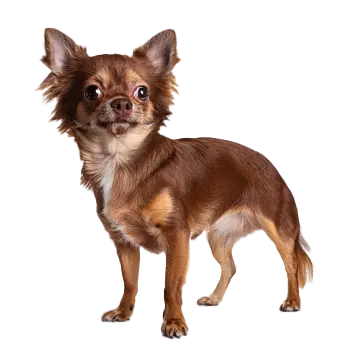
The Chihuahua holds the distinction of being the world's smallest recognized dog breed, typically standing just 5 to 8 inches tall at the shoulder and weighing between 2 to 6 pounds. Despite their diminutive size, Chihuahuas possess a well-balanced, compact body that is slightly longer than it is tall, giving them a graceful yet sturdy appearance. The breed comes in two distinct head types: the apple head, which features a rounded, dome-shaped skull with a well-defined stop, and the deer head, characterized by a flatter skull and longer muzzle. The apple head variety is preferred in show standards and is more commonly seen. One of the Chihuahua's most striking features is its large, erect ears that stand prominently on the head, appearing almost too big for the tiny body. The eyes are round, large, and luminous, set well apart and contributing to the breed's saucy, alert expression. In some Chihuahuas, particularly puppies, a soft spot called a molera may be present on the top of the skull where the bones have not fully fused. The muzzle is short and pointed, and the bite should be level or scissors. The tail is moderately long, carried in a sickle shape either up or out, or in a loop over the back with the tip just touching the back. Chihuahuas come in two coat varieties: smooth coat and long coat. The smooth coat is soft, close, and glossy, lying flat against the body with a ruff on the neck. The long coat variety features soft, flat or slightly wavy fur with feathering on the ears, legs, and tail, and a full ruff around the neck. Both coat types can appear in virtually any color or color combination, including solid colors, marked patterns, and splashed variations. This tremendous variety in coloring makes each Chihuahua truly unique in appearance.
Key Characteristics
Temperament Temperament Temperament Temperament Temperament Temperament Chihuahuas require careful socialization from puppyhood to prevent the development of small dog syndrome, where the dog believes it is in charge of the household. Without proper boundaries, they may become demanding, snappish, or difficult to handle. Due to their fragile size, they are best suited to homes with older, respectful children who understand how to handle such a delicate dog. Chihuahuas can be surprisingly feisty with other dogs regardless of size and should be supervised during interactions. Their preference for warmth often leads them to seek out sunny spots, burrow under blankets, and snuggle closely with their owners.
Health Considerations Health Considerations Health Considerations Health Considerations Health Considerations Health Considerations Hydrocephalus, a buildup of fluid in the brain, can occur in Chihuahuas, particularly those with pronounced apple-shaped heads, and may cause neurological symptoms. Tracheal collapse, where the cartilage rings supporting the windpipe weaken, leads to a characteristic honking cough and breathing difficulties. Eye problems including corneal ulcers and dry eye are also seen in the breed due to their prominent, exposed eyes. The molera, or soft spot on the skull, present in some Chihuahuas throughout life, requires careful handling to prevent injury. Regular veterinary care and awareness of these breed-specific issues help ensure a long, healthy life.
Important to Remember
Each hybrid dog is unique and may inherit any combination of traits from either parent breed. The information above represents the characteristics of the purebred parent breeds. Your Scotchi may favor one parent over the other or display a blend of both. We strongly encourage you to read the complete breed profiles for both the Scottish Terrier and Chihuahua to fully understand the range of possible temperaments, health concerns, and care requirements.