Schnug
The Schnug is a cross between the Miniature Schnauzer and the Pug. Because each hybrid inherits a unique combination of traits from both parents, we recommend thoroughly researching both breeds before choosing a Schnug. Pay special attention to temperament, health issues, and care requirements, as your dog may express characteristics from either parent breed.
Miniature Schnauzer
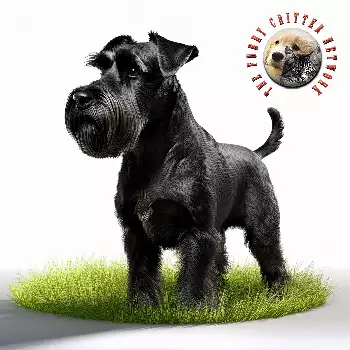
The Miniature Schnauzer is a stocky, robust small dog with a distinctive square-shaped build that projects both strength and elegance in equal measure. Standing between 12 and 14 inches at the shoulder and weighing 11 to 20 pounds, this compact breed was developed in late 19th century Germany by breeding down from the Standard Schnauzer, likely with crosses to smaller breeds such as the Affenpinscher and Miniature Poodle. The first recorded Miniature Schnauzer appeared in 1888 as a black female named Findel. The body is well-proportioned with a level topline, deep chest, and sturdy bone structure that reflects the breed's working heritage as an efficient farm ratter capable of pursuing vermin into tight spaces. The breed's most recognizable features are the distinctive bushy beard and prominent eyebrows that frame an alert, intelligent expression, giving the face an almost human-like quality that enthusiasts find endearing. The Miniature Schnauzer possesses a harsh, wiry double coat consisting of a hard outer layer and a soft, dense undercoat that provides protection from the elements. Recognized coat colors include salt and pepper, which features banded hairs of black, gray, and silver that fade to lighter shades on the eyebrows, whiskers, and underbody; solid black; black and silver; and pure white in some registries. The coat requires regular grooming through either hand-stripping for show dogs to maintain proper texture or clipping for pets, typically every five to eight weeks. Additional physical characteristics include small, V-shaped ears that fold close to the skull and may be cropped in some countries, dark oval eyes that convey a keen and lively expression, and a moderately long head with a strong rectangular muzzle. The legs are straight and parallel when viewed from the front, with round, compact feet resembling those of a cat. The tail is traditionally set high and carried erect. The breed's overall appearance suggests a tough, muscular dog that is fearless without being aggressive, combining the terrier's spirited attitude with the Schnauzer's dignified bearing that has made them consistently popular companions worldwide.
Key Characteristics
Temperament Temperament Temperament Temperament Temperament Temperament Despite their small size, Miniature Schnauzers carry themselves with remarkable confidence and can display a stubborn streak at times, requiring consistent training and clear boundaries from an early age. They are known for their playful, sometimes clownish behavior and maintain their puppy-like enthusiasm well into adulthood. The breed's combination of intelligence, loyalty, and adaptability makes them suitable for various living situations, from apartments to homes with large yards, provided they receive adequate exercise and mental engagement from their families.
Health Considerations Health Considerations Health Considerations Health Considerations Health Considerations Health Considerations Other health concerns include diabetes mellitus, hypothyroidism, bleeding disorders such as von Willebrand's disease, and liver shunts in some lines. Responsible breeders screen their breeding stock for these conditions and can provide health clearances documenting that the parents are free of known genetic problems. Regular veterinary checkups, maintaining a healthy weight through proper diet and exercise, and monitoring for early signs of illness are essential for maximizing the breed's quality of life. With proper care and attention to these potential health issues, Miniature Schnauzers can enjoy long, active lives as beloved family companions.
Pug
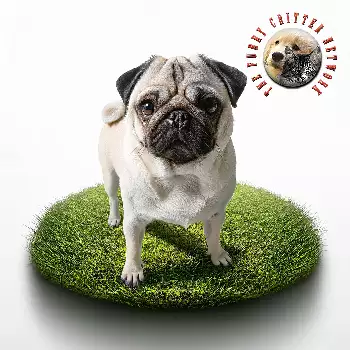
The Pug is a small, compact dog with a distinctive cobby body and a notably square, muscular build that belies its classification as a toy breed. Standing 10 to 11 inches tall at the shoulder and weighing between 14 and 18 pounds, the Pug presents a solid, well-proportioned silhouette that embodies the Latin phrase multum in parvo, meaning much in little. The breed originated in China over two thousand years ago, where they were treasured companions of royalty and prized by Chinese emperors who sometimes assigned them their own guards and servants. Their compact frame features a broad chest, strong straight legs, and a tightly curled tail that sits high on the hindquarters, ideally forming a double curl that is considered especially desirable in the show ring. The most recognizable aspect of the Pug's appearance is its brachycephalic head structure, featuring a flat, deeply wrinkled face with a very short muzzle and a pronounced forehead. The breed's large, round, dark eyes are perhaps its most expressive and endearing feature, conveying a remarkable range of emotions from curiosity and concern to pure adoration. Deep wrinkles across the forehead and around the muzzle create the characteristic worried expression that Pug enthusiasts find irresistible. The ears are small, soft, and velvety to the touch, coming in two varieties: rose ears that fold over and forward, or button ears that fold forward with the tip lying close to the skull. Button ears are generally preferred in the show ring. The Pug's coat is fine, smooth, short, and glossy, lying close to the body and requiring minimal grooming beyond regular brushing to manage moderate shedding. Recognized colors are fawn and black, with fawn Pugs displaying a distinct black mask that covers the muzzle and extends prominently to the eyes. A trace, which is a black line running from the back of the head along the spine to the tail, is desirable in fawn specimens. The breed's overall appearance should suggest a substantial little dog with good muscle tone, a sturdy constitution, and an unmistakable dignified presence.
Key Characteristics
Temperament Temperament Temperament Temperament Temperament Temperament Pugs can display a stubborn streak during training, but their desire to please their owners typically wins out with patience and positive reinforcement methods using treats and praise. They are intelligent dogs who understand commands quickly, though they may choose not to comply if they're not in the mood. The breed is generally quiet and barks only when necessary, making them suitable for apartment living. Their stable, good-natured temperament makes them excellent companions for families with children and seniors alike, though they may not be ideal for highly active households seeking a jogging or hiking partner.
Health Considerations Health Considerations Health Considerations Health Considerations Health Considerations Health Considerations Pug Dog Encephalitis is a fatal inflammatory brain disease unique to the breed, causing seizures, abnormal gait, and blindness before progressing to death. Additional concerns include hemivertebrae, a spinal malformation linked to the breed's curled tail that can cause neurological problems; patellar luxation; hip dysplasia; and obesity, to which Pugs are particularly prone due to their love of food and relatively sedentary nature. A 2024 UK study found the breed's life expectancy to be 8.6 years for extreme brachycephalics, significantly shorter than the average purebred dog lifespan. Prospective owners should source puppies from responsible breeders who screen for these conditions and prioritize health over extreme physical features.
Important to Remember
Each hybrid dog is unique and may inherit any combination of traits from either parent breed. The information above represents the characteristics of the purebred parent breeds. Your Schnug may favor one parent over the other or display a blend of both. We strongly encourage you to read the complete breed profiles for both the Miniature Schnauzer and Pug to fully understand the range of possible temperaments, health concerns, and care requirements.