Schneagle
The Schneagle is a cross between the Beagle and the Schnauzer. Because each hybrid inherits a unique combination of traits from both parents, we recommend thoroughly researching both breeds before choosing a Schneagle. Pay special attention to temperament, health issues, and care requirements, as your dog may express characteristics from either parent breed.
Beagle
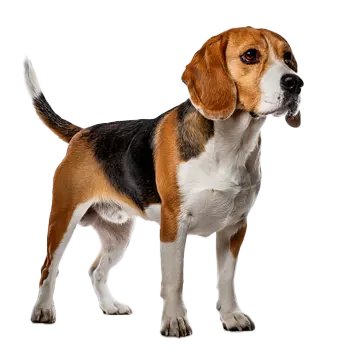
The Beagle is a sturdy, compact hound dog that comes in two recognized size varieties according to the American Kennel Club. The smaller variety stands under 13 inches at the shoulder, while the larger variety measures between 13 and 15 inches tall. Weight typically ranges from 20 to 30 pounds depending on height, with dogs proportionally balanced between their height and weight. The breed possesses a distinctly square-built, muscular body that is solid and big for its inches, conveying the impression of quality without appearing coarse or clunky. The Beagle's overall structure should suggest stamina and activity, as befits a dog bred for the demanding work of trailing game across varied terrain for extended periods. The Beagle's coat is a close-lying, hard hound coat of medium length that provides excellent protection during outdoor activities and adverse weather conditions. Any true hound color is acceptable according to the breed standard, though the most recognized pattern is the classic tri-color combination of black, white, and tan. Other common colorations include red and white, lemon and white, chocolate tri-color, and various combinations of these hues with white markings. The coat is dense enough to be weather-resistant while remaining easy to maintain with regular brushing. A characteristic white-tipped tail, known as the stern, helps hunters locate their dogs in dense cover. Distinctive physical features of the Beagle include long, low-set ears that are rounded at the tips and reach nearly to the end of the nose when drawn out. These ears are set fairly low on the head and hang close to the cheeks. The breed's large, soft brown or hazel eyes convey a gentle, pleading expression that has made them beloved companions worldwide. The muzzle is square-cut and the skull is fairly long with a slight dome at the occiput. The nose is broad with full nostrils, typically black in color, enabling the exceptional scenting ability for which the breed is renowned. The tail is set moderately high and carried gaily with a slight curve, but should never curl over the back. The Beagle's characteristic rolling gait demonstrates the breed's ability to cover ground efficiently during extended hunts.
Key Characteristics
Temperament Temperament Temperament Temperament Temperament Temperament Beagles are notably vocal dogs that communicate through various sounds including baying, howling, and barking. This trait, while characteristic of the breed and useful during hunting, should be considered by prospective owners living in apartments or close-quartered neighborhoods where noise may be an issue. Despite their hunting heritage, well-socialized Beagles typically coexist peacefully with other household pets, though their prey drive may require management around smaller animals such as rabbits. Their curious, determined nature makes them excellent escape artists who will dig under or climb over fences, so secure fencing is essential for any Beagle owner.
Health Considerations Health Considerations Health Considerations Health Considerations Health Considerations Health Considerations Other health considerations include hypothyroidism, which affects the thyroid gland's hormone production and can cause weight gain, lethargy, skin problems, and coat changes. Intervertebral disc disease may occur, particularly as Beagles age and their spines experience wear. The breed's love of food makes them highly prone to obesity, which can exacerbate joint problems and contribute to other health issues including diabetes, heart disease, and respiratory difficulties. Responsible breeders screen for genetic conditions including Musladin-Lueke Syndrome, Factor VII deficiency, and other hereditary disorders. Regular dental care is also important as Beagles can be prone to periodontal disease that may affect overall health.
Schnauzer

The Standard Schnauzer is a robust, medium-sized working dog that presents a squarely built, muscular appearance with good bone and plenty of substance. Males typically stand between 18 and 20 inches at the shoulder and weigh 35 to 50 pounds, while females measure 17 to 19 inches and weigh 30 to 45 pounds. The breed's overall silhouette should be nearly square, with the height at the withers approximately equal to the body length measured from prosternum to rump. This compact, powerful build enables the Standard Schnauzer to perform the various working tasks for which it was originally bred, including ratting, guarding, and herding livestock on German farms. The Standard Schnauzer's coat is one of its most distinctive features, consisting of a tight, hard, wiry outer coat with a soft, close undercoat that provides protection from the elements. The acceptable colors are pepper-and-salt or pure black. The pepper-and-salt coloring is achieved through the combination of banded hairs alternating light and dark, creating a gray appearance that may range from light silver-gray to darker shades. The coat requires regular maintenance including hand-stripping or clipping every five to eight weeks to maintain its proper texture and appearance. Hand-stripping preserves the wiry texture while clipping tends to soften the coat over time. The breed's most recognizable features are its arched eyebrows and bristly mustache and beard, which give the Standard Schnauzer its characteristic alert and intelligent expression. The head is strong and rectangular, elongated in proportion, with a moderately long muzzle that is parallel to the flat, unwrinkled skull. The cheeks are flat but well-muscled. The ears may be cropped to a point or left natural, and the eyes are medium-sized, dark brown, and oval in shape, conveying keen intelligence and spirited alertness. The neck is strong and elegantly arched, blending cleanly into the shoulders. The tail was traditionally docked but is increasingly left natural in countries where docking is prohibited. The Standard Schnauzer moves with a vigorous, ground-covering gait that demonstrates its athletic capabilities and working heritage.
Key Characteristics
Temperament Temperament Temperament Temperament Temperament Temperament Standard Schnauzers are high-energy dogs that require substantial daily exercise and mental stimulation to remain happy and well-behaved. A minimum of 30 to 60 minutes of vigorous activity per day is recommended, along with opportunities for interactive play and problem-solving activities. Without adequate outlets for their energy and intelligence, Standard Schnauzers may become destructive or develop behavioral problems. This breed is not recommended for novice dog owners due to its strong personality and need for experienced handling. When properly trained and exercised, the Standard Schnauzer is an exceptional companion for active individuals and families.
Health Considerations Health Considerations Health Considerations Health Considerations Health Considerations Health Considerations Preventive health care for Standard Schnauzers should include regular veterinary checkups, appropriate vaccinations, and parasite prevention. The breed's wiry coat requires regular grooming to prevent skin problems, and particular attention should be paid to keeping the beard and facial furnishings clean to prevent irritation. Dental care is important as with all breeds. Standard Schnauzers are generally less prone to the pancreatitis and hyperlipidemia issues that more commonly affect their Miniature Schnauzer relatives. Maintaining a healthy weight through proper diet and exercise helps prevent joint problems and supports overall longevity in this robust working breed.
Important to Remember
Each hybrid dog is unique and may inherit any combination of traits from either parent breed. The information above represents the characteristics of the purebred parent breeds. Your Schneagle may favor one parent over the other or display a blend of both. We strongly encourage you to read the complete breed profiles for both the Beagle and Schnauzer to fully understand the range of possible temperaments, health concerns, and care requirements.