Schnau-Tzu
The Schnau-Tzu is a cross between the Miniature Schnauzer and the Shih Tzu. Because each hybrid inherits a unique combination of traits from both parents, we recommend thoroughly researching both breeds before choosing a Schnau-Tzu. Pay special attention to temperament, health issues, and care requirements, as your dog may express characteristics from either parent breed.
Miniature Schnauzer
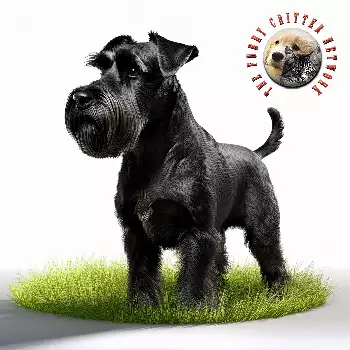
The Miniature Schnauzer is a small, sturdy dog with a distinctive square-shaped build and robust frame that reflects its working dog heritage. Standing between 12 and 14 inches at the withers and weighing between 11 and 20 pounds, this breed presents a compact yet athletic appearance that combines substance with elegance. Males typically weigh between 11 and 18 pounds while females range from 10 to 15 pounds, with well-conditioned individuals showing good muscle definition beneath their characteristic coat. The body is nearly square in proportion, with the height at the shoulders approximately equal to the body length, creating a balanced silhouette. They possess a strong, arched neck that blends smoothly into well-laid-back shoulders, and their legs are straight with good bone structure that supports their active lifestyle. The breed's most recognizable features are its distinctive beard, bushy eyebrows, and leg furnishings that give them an almost human-like expression. The Miniature Schnauzer has a double coat consisting of a hard, wiry outer coat and a soft, close-fitting undercoat that provides excellent protection in various weather conditions. The outer coat should be tight and dense enough to prevent water and debris from penetrating to the skin, requiring regular grooming to maintain its characteristic texture. The breed comes in three recognized color patterns: salt-and-pepper, solid black, and black-and-silver. The salt-and-pepper coloring results from a combination of banded black and white hairs mixed with solid black and white hairs throughout the body, creating a distinctive pepper-flecked appearance. The head is rectangular and elongated, featuring a strong muzzle that ends in a blunt wedge shape with a well-developed nose. The eyes are small, dark brown, and oval-shaped, set deep under the bushy eyebrows and conveying an alert and intelligent expression. The ears are set high on the skull and may be cropped to stand erect or left natural in a V-shape that folds forward close to the cheeks. The chest is moderately broad with well-sprung ribs, and the back is short and straight. The tail is traditionally docked and carried erect, though many countries now prohibit this practice, with natural tails carried in a slight curve. Overall, the Miniature Schnauzer projects an impression of alertness and spirited energy within its compact, well-proportioned frame.
Key Characteristics
Temperament Temperament Temperament Temperament Temperament Temperament This breed requires regular mental stimulation to prevent boredom-related behavioral issues such as excessive barking or destructive chewing. They excel in various canine activities including obedience trials and agility courses. Miniature Schnauzers are adaptable dogs that can thrive in apartments or houses as long as they receive adequate exercise and attention. They are loyal and devoted companions who prefer to be involved in family activities rather than left alone for extended periods, often following their owners from room to room. Their combination of intelligence, trainability, moderate exercise needs, and affectionate nature makes them ideal pets for both first-time and experienced dog owners.
Health Considerations Health Considerations Health Considerations Health Considerations Health Considerations Health Considerations Eye conditions including cataracts and progressive retinal atrophy may develop as the dog ages, potentially leading to vision impairment or blindness. Regular ophthalmic examinations can help detect these conditions early. Hypothyroidism, a condition where the thyroid gland produces insufficient hormones, occurs with some frequency in the breed and is manageable with daily medication. Von Willebrand disease, a blood clotting disorder, and hip dysplasia have also been documented in the breed, though less commonly. Responsible breeders screen their breeding stock for these hereditary conditions to reduce their occurrence in offspring.
Shih Tzu
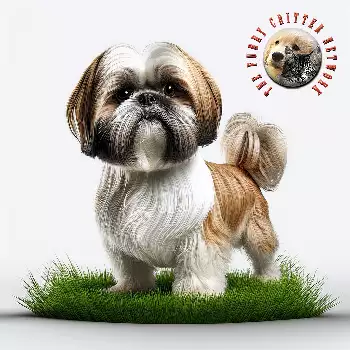
The Shih Tzu is a small, compact dog with a sturdy build that belies its elegant appearance. Standing between 9 and 10.5 inches at the shoulder and weighing between 9 and 16 pounds, this breed carries itself with confidence and dignity. The ideal weight range falls between 10 and 16 pounds for both males and females, with most individuals settling around 12 to 14 pounds at maturity. The body is slightly longer than it is tall, giving the dog a rectangular silhouette when viewed from the side. Despite their small size, Shih Tzus are surprisingly solid and well-muscled under their flowing coats. The breed's most striking feature is its luxurious double coat, which consists of a dense outer coat and a softer undercoat. The hair grows continuously and can reach floor length if left uncut, creating the breed's characteristic flowing appearance. The coat comes in virtually every color and pattern, including black, white, gold, red, silver, brindle, and various combinations. Many Shih Tzus display a white blaze on the forehead and a white tip on the tail, which are considered desirable markings. The coat requires significant maintenance to prevent matting and tangling. The Shih Tzu has a distinctive chrysanthemum-like face with hair growing in all directions from the nose. The head is broad and round, set on a well-proportioned neck that flows smoothly into the body. The eyes are large, round, and dark, set wide apart to give an expression of warmth and friendliness. The muzzle is short and square, measuring about one inch from the tip of the nose to the stop. The ears are large and heavily coated, hanging down alongside the face. The tail is set high and curves gracefully over the back, covered with a plume of long hair that adds to the breed's regal appearance.
Key Characteristics
Temperament Temperament Temperament Temperament Temperament Temperament Shih Tzus are moderately active indoors and do not require extensive exercise, making them well-suited for apartment living. A daily walk and some playtime are usually sufficient to meet their physical needs. They are intelligent but can exhibit a stubborn streak during training, responding best to patient, positive reinforcement methods. Their primary purpose in life is to be a loving companion, and they excel in this role. The Shih Tzu's happy, sweet-natured disposition and love of cuddling make it an ideal lap dog for individuals seeking a devoted and affectionate pet.
Health Considerations Health Considerations Health Considerations Health Considerations Health Considerations Health Considerations Other health concerns include anal sac impaction, ear infections due to their heavily coated drop ears, patellar luxation, hip dysplasia, and intervertebral disc disease. Heart conditions, particularly mitral valve disease, may develop as the dog ages. Hypothyroidism occurs with some frequency and requires lifelong hormone replacement therapy. Umbilical hernias appear at higher rates in this breed than in dogs overall. Regular veterinary checkups, maintaining a healthy weight, and providing appropriate grooming care can help manage many of these conditions and ensure a long, healthy life for your Shih Tzu.
Important to Remember
Each hybrid dog is unique and may inherit any combination of traits from either parent breed. The information above represents the characteristics of the purebred parent breeds. Your Schnau-Tzu may favor one parent over the other or display a blend of both. We strongly encourage you to read the complete breed profiles for both the Miniature Schnauzer and Shih Tzu to fully understand the range of possible temperaments, health concerns, and care requirements.