Schipper-Pin
The Schipper-Pin is a cross between the Schipperke and the Miniature Pinscher. Because each hybrid inherits a unique combination of traits from both parents, we recommend thoroughly researching both breeds before choosing a Schipper-Pin. Pay special attention to temperament, health issues, and care requirements, as your dog may express characteristics from either parent breed.
Schipperke
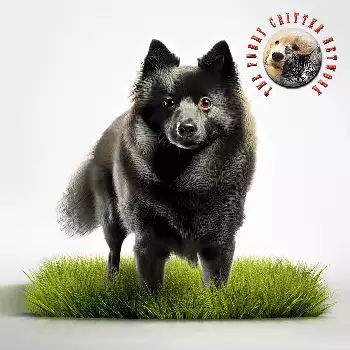
The Schipperke is a small, thickset, cobby dog with a distinctively fox-like face and an alert, confident expression. This breed typically stands between ten and thirteen inches at the shoulder and weighs between twelve and sixteen pounds, placing it firmly in the small dog category while maintaining a sturdy, well-muscled build. The body is square in profile, appearing slightly sloped from shoulders to croup due to the unique coat pattern. The head features a moderately wide skull that narrows toward the muzzle, with small oval-shaped eyes that are dark brown and convey an inquisitive, mischievous expression. The ears are small, triangular, and set high on the head, standing fully erect when the dog is alert. The Schipperke possesses a distinctive double coat that sets it apart from other small breeds. The outer coat is abundant, straight, and slightly harsh to the touch, while the undercoat is dense and soft, particularly thick around the neck. This coat creates the breed's hallmark silhouette featuring a prominent ruff that encircles the neck like a mane, a cape that extends across the shoulders and chest, and culottes on the rear legs. The breed standard recognizes only solid black as an acceptable color, though the undercoat may be slightly lighter. Some specimens may appear in cream or blonde variations, and rarely in liver-red, though these are not accepted in most show standards. The breed traditionally appears tailless, either born naturally without a tail or with the tail docked in regions where the practice remains legal. The overall impression is of a compact, energetic dog with excellent proportions and a proud, watchful bearing. The distinctive coat pattern and fox-like expression give the Schipperke an unmistakable appearance that has remained consistent throughout the breed's centuries-long history as a Belgian working dog.
Key Characteristics
Temperament Temperament Temperament Temperament Temperament Temperament Schipperkes possess a strong prey drive inherited from their history as ratters and vermin hunters. This instinct means they will chase small animals and should be supervised around smaller pets. The breed requires firm, consistent training to prevent the development of Small Dog Syndrome, where the dog assumes a dominant role in the household. When properly trained and socialized, Schipperkes are affectionate, loyal companions who bring endless entertainment and devotion to their families.
Health Considerations Health Considerations Health Considerations Health Considerations Health Considerations Health Considerations Other health concerns include hypothyroidism, which affects the thyroid gland's ability to produce adequate hormones and can cause weight gain, lethargy, and coat problems. Epilepsy has been reported in the breed, with seizures typically beginning between six months and three years of age. Dental disease is particularly prevalent in Schipperkes, making regular dental care essential. Responsible breeders conduct health screenings for MPS IIIB, von Willebrand's disease, and eye conditions before breeding to reduce the incidence of inherited disorders in the population.
Miniature Pinscher
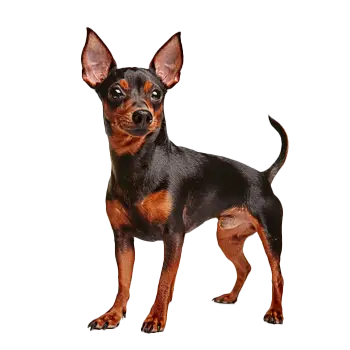
The Miniature Pinscher is a compact, elegant toy breed that stands between ten and twelve and a half inches at the shoulder and weighs eight to ten pounds. Despite common misconceptions, this breed is not a miniaturized version of the Doberman Pinscher but rather a distinct breed with its own history dating back several centuries. The body is sturdy and square, with the length from breastbone to point of buttock equaling the height at the withers. The overall impression is one of fearless animation and complete self-possession, with a well-balanced structure that conveys both grace and power in a compact package. The breed's most distinctive physical characteristic is its hackney gait, a high-stepping, prancing movement reminiscent of a hackney horse. This proud, animated gait involves the front legs reaching forward and bending at the wrist while moving straight ahead, creating an elegant, eye-catching movement that clearly communicates the breed's confident, spirited nature. The head is narrow and elongated, tapering toward the muzzle with a flat skull and a slight stop. The eyes are dark, slightly oval, and convey a bright, alert expression. Ears may be cropped to stand erect or left natural, in which case they are small, V-shaped, and fold forward. The coat is short, smooth, hard, and close-lying with a lustrous sheen. There is no undercoat, which makes the breed somewhat sensitive to cold temperatures. Acceptable colors include solid red in various shades, stag red which features red with an overlay of black hairs, and black or chocolate with clearly defined rust-red markings on specific points of the body. The tail is traditionally docked in countries where the practice is permitted, set high and carried erect. The Miniature Pinscher's sleek, athletic appearance combined with its confident bearing has earned it the affectionate nickname "King of Toys."
Key Characteristics
Temperament Temperament Temperament Temperament Temperament Temperament The breed can be challenging with other dogs, particularly those of the same sex, and may display dominant or aggressive behaviors without proper socialization. Their strong prey drive means they will chase smaller animals, including cats if not raised with them. Despite their assertive nature, Miniature Pinschers are affectionate with their families and enjoy being involved in all activities. They can be wary of strangers and may take time to warm up to new people. The breed is known for its escape artist tendencies and can squeeze through surprisingly small openings, making secure fencing and supervision essential.
Health Considerations Health Considerations Health Considerations Health Considerations Health Considerations Health Considerations Hypothyroidism affects the breed and can cause weight gain, lethargy, skin problems, and coat changes. Epilepsy has been documented in Miniature Pinschers, with seizures typically beginning between six months and three years of age. The breed is also prone to color dilution alopecia in dogs with blue or fawn coat colors, causing hair loss and skin problems. Other conditions to be aware of include cataracts, corneal dystrophy, dental disease due to their small mouths, and heart conditions including mitral valve disease. Responsible breeders test for inherited conditions to reduce the incidence of these health problems in the population.
Important to Remember
Each hybrid dog is unique and may inherit any combination of traits from either parent breed. The information above represents the characteristics of the purebred parent breeds. Your Schipper-Pin may favor one parent over the other or display a blend of both. We strongly encourage you to read the complete breed profiles for both the Schipperke and Miniature Pinscher to fully understand the range of possible temperaments, health concerns, and care requirements.