Schip-A-Pom
The Schip-A-Pom is a cross between the Pomeranian and the Schipperke. Because each hybrid inherits a unique combination of traits from both parents, we recommend thoroughly researching both breeds before choosing a Schip-A-Pom. Pay special attention to temperament, health issues, and care requirements, as your dog may express characteristics from either parent breed.
Pomeranian
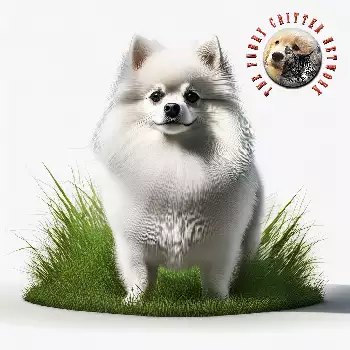
The Pomeranian is a true toy breed with an ideal height of eight to eleven inches at the withers and a weight ranging from three to seven pounds, with show specimens preferred at four to six pounds. Despite their diminutive size, these dogs present a compact, well-balanced appearance with a short-coupled body that is almost square in proportion. The breed is a member of the Spitz family and shares the characteristic features of its larger northern ancestors including a wedge-shaped head, small erect ears, and a tail that curls up and over the back. Their small stature belies the larger dogs from which they descended, as early Pomeranians weighed up to thirty pounds before being bred down to toy size, largely through the efforts of Queen Victoria in the late nineteenth century. The most stunning feature of the Pomeranian is undoubtedly their luxurious double coat, which gives them their signature puffball appearance. The undercoat is soft, dense, and fluffy, while the outer coat consists of long, harsh-textured guard hairs that stand off from the body. A thick ruff of fur surrounds the neck and chest, framing the foxy face and extending over the shoulders in what breeders call the cape. The hindquarters are heavily feathered from the top of the rump to the hocks in distinctive culottes. The plumed tail lies flat against the back and is covered with profuse hair that fans outward. Pomeranians come in an remarkable array of colors, making them one of the most varied breeds in this regard. Common colors include orange, red, cream, sable, black, brown, blue, and white, with various patterns and combinations also acceptable. The breed's fox-like face features bright, dark almond-shaped eyes that convey intelligence and alertness, a short muzzle with a well-defined stop, and a small black nose. The ears are small, erect, and set high on the head. Their expression is animated and inquisitive, reflecting their lively personality. The double coat requires regular grooming including brushing once or twice weekly, with more frequent attention during seasonal shedding periods.
Key Characteristics
Temperament Temperament Temperament Temperament Temperament Temperament Pomeranians form strong attachments to their families and crave companionship and attention. They do well with older children who understand how to handle small dogs gently, but may be overwhelmed by very young children. An interesting behavioral trait is their tendency to mirror their owner's energy and personality over time, becoming more active and vocal with energetic owners or more calm and relaxed with quieter individuals. They can be suspicious of strangers and may take time to warm up to new people. Despite their small size, they need regular physical and mental stimulation and can become restless or develop behavioral issues without adequate activity and interaction.
Health Considerations Health Considerations Health Considerations Health Considerations Health Considerations Health Considerations Alopecia X, also known as black skin disease or severe hair loss syndrome, is a condition that particularly affects Pomeranians, with the breed comprising a disproportionately high percentage of cases. This cosmetic condition causes progressive hair loss starting around the thighs and rump, with the exposed skin eventually darkening. While not painful, it has no guaranteed cure though some treatments may help. The breed is also prone to various eye problems including cataracts and distichiasis, where abnormal eyelashes grow and irritate the eye. Dental disease is prevalent due to their small jaws and crowded teeth, requiring regular brushing and professional cleanings. Heart conditions including patent ductus arteriosus and mitral valve disease can affect the breed, and hypoglycemia is a concern particularly in puppies and very small individuals.
Schipperke
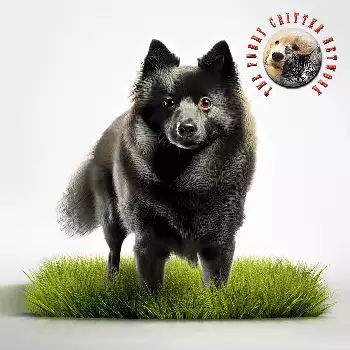
The Schipperke is a small, sturdy dog with a distinctive silhouette that gives the appearance of sloping from the highest point at the withers down to the base of the tail. Males typically stand between eleven and thirteen inches at the shoulder while females are slightly smaller at ten to twelve inches, with weights ranging from ten to twenty pounds depending on size and build. The breed has a compact, thickset body with a deep chest and well-sprung ribs, conveying an impression of substance and strength despite its modest size. Their characteristic fox-like head features a wedge-shaped muzzle, small pointed ears that stand erect, and dark oval eyes that project an alert, questioning expression. The Schipperke's coat is one of its most distinguishing features, consisting of a double layer with a soft, fluffy undercoat covered by a somewhat harsher and longer outer coat. The coat forms a distinctive pattern with a pronounced ruff around the neck and extending over the shoulders and chest, along with a cape over the back and culottes on the rear of the thighs. This gives the breed its characteristic silhouette and appearance of a miniature lion. The coat is most commonly solid black, which gives the breed a striking appearance, though cream and blonde colorations also occur, and rarely a liver-red shade may be seen. The Schipperke may be born naturally tailless, with a partial tail, or with a full tail that was traditionally docked. The breed's small, cat-like feet are tight and round, designed for the agile movement that made them effective ratters on canal barges and in Belgian shops. Their movement is brisk and smooth, with a distinctive quick stride that reflects their energetic nature. The breed's coat requires weekly brushing to maintain its condition and control shedding, with more frequent attention needed during their heavy seasonal shedding periods that occur twice yearly when the undercoat is shed in dramatic fashion.
Key Characteristics
Temperament Temperament Temperament Temperament Temperament Temperament Despite their intense personality, Schipperkes are adaptable dogs that can thrive in various living situations provided they receive adequate mental and physical stimulation. They require activities to keep them occupied and can become destructive through excessive barking, chewing, and digging if bored. Their intelligence makes them quick learners, but their stubborn nature means training requires patience and consistency. Early socialization is essential to help them develop confidence and appropriate behavior around other dogs and people. The breed has remarkable longevity, with many living thirteen to sixteen years and some reaching eighteen years of age.
Health Considerations Health Considerations Health Considerations Health Considerations Health Considerations Health Considerations Other health conditions seen in the breed include luxating patella, where the kneecap slips out of position, and Legg-Calve-Perthes disease, a degenerative hip condition caused by disrupted blood flow to the femoral head. Progressive retinal atrophy may cause gradual vision loss, with early symptoms like night blindness appearing between three and five years of age. Hypothyroidism, affecting thyroid function, epilepsy, and von Willebrand disease, a bleeding disorder, have also been reported. More recently, von Willebrand disease type one has become a concern, with some affected dogs showing no symptoms while others experience serious bleeding complications. Dental disease is common and requires regular preventive care including tooth brushing and professional cleanings.
Important to Remember
Each hybrid dog is unique and may inherit any combination of traits from either parent breed. The information above represents the characteristics of the purebred parent breeds. Your Schip-A-Pom may favor one parent over the other or display a blend of both. We strongly encourage you to read the complete breed profiles for both the Pomeranian and Schipperke to fully understand the range of possible temperaments, health concerns, and care requirements.