Sceagle
The Sceagle is a cross between the Beagle and the Scottish Terrier. Because each hybrid inherits a unique combination of traits from both parents, we recommend thoroughly researching both breeds before choosing a Sceagle. Pay special attention to temperament, health issues, and care requirements, as your dog may express characteristics from either parent breed.
Beagle
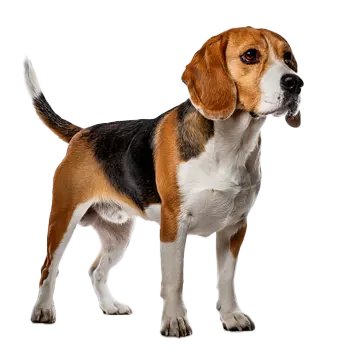
The Beagle is a compact, muscular hound that embodies the perfect balance of substance and athletic ability, designed for endurance hunting over varied terrain. The breed comes in two size varieties: those standing 13 inches or under at the shoulder and those between 13 and 15 inches. Weight typically ranges from 18 to 30 pounds, with the larger variety being heavier. The body is slightly longer than tall, presenting a solid, substantial appearance for its relatively small size that enables the breed to work for extended periods without tiring. The chest is deep, extending to below the elbow, providing ample lung capacity for sustained activity and the distinctive baying voice. The back is short and muscular with a slight arch over the loin. The coat is close-lying, hard, and of medium length, providing excellent weather protection without requiring extensive grooming. This double coat is dense enough to protect against brush and brambles during hunting activities in varied cover. Beagles display a wide variety of hound colors, with tricolor being most common, featuring combinations of black, tan, and white in various patterns. Other acceptable colors include red and white, lemon and white, chocolate tricolor, and various shaded tricolors where the black portions fade into lighter tones. White-tipped tails are traditional and highly desirable, bred selectively to remain visible when the dog's head is down following a scent through tall grass. The head is fairly long with a slightly domed skull and a moderately defined stop separating the skull from muzzle. The muzzle is straight, square-cut, and of medium length, housing a broad nose with large, open nostrils designed for exceptional scenting ability that ranks among the best in the canine world. The eyes are large, set well apart, and display a gentle, pleading expression characteristic of the breed that few can resist. Eye color is typically brown or hazel, contributing to their warm and appealing expression. The ears are long, rounded at the tips, set moderately low, and hang close to the cheeks with a velvety texture. When drawn out, they should reach nearly to the tip of the nose, helping to funnel scent toward the nose. The tail is set moderately high, carried gaily with a slight curve but never curled over the back.
Key Characteristics
Temperament Temperament Temperament Temperament Temperament Temperament Beagles are typically excellent with children, displaying both tolerance and enthusiasm for play. Their sturdy build and gentle disposition make them suitable playmates for young family members. They generally coexist well with other dogs, reflecting their pack heritage. However, their strong hunting instincts mean they should be supervised around small pets. Beagles are known for their vocal nature, possessing a distinctive bay and howl that can carry considerable distances. This vocalization, combined with their tendency to dig and follow scents, requires secure fencing and attentive ownership. Despite these challenges, their affectionate nature and entertaining antics make them endearing companions.
Health Considerations Health Considerations Health Considerations Health Considerations Health Considerations Health Considerations Beagles are prone to ear infections due to their long, floppy ears that trap moisture and limit airflow. Regular ear cleaning and monitoring are essential preventive measures. Eye conditions including cherry eye, cataracts, glaucoma, and progressive retinal atrophy occur in the breed. Heart disease, particularly pulmonic stenosis and other valve disorders, has been documented. Beagles have a strong tendency toward obesity due to their food-driven nature, and excess weight exacerbates many other health conditions. Dental disease is common and requires regular preventive care. The breed may also be prone to allergies affecting the skin and a condition called Musladin-Lueke Syndrome, a genetic connective tissue disorder. Responsible breeders screen for many of these conditions before breeding.
Scottish Terrier
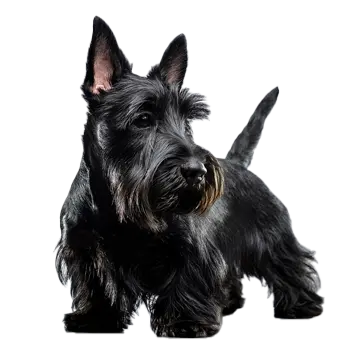
The Scottish Terrier is a small, compact, and sturdily built dog that exemplifies power in a diminutive package. Height at the withers for both sexes should be approximately 10 inches, while the length of back from withers to tail is roughly 11 inches. Weight typically ranges from 19 to 22 pounds for males and 18 to 21 pounds for females. Despite their small size, Scotties possess substantial bone and muscle, giving them a surprisingly heavy feel when lifted. The body is thick-set and cobby, hung between short, heavy legs that provide a low center of gravity well-suited to their original purpose of going to ground after vermin. The coat is a distinctive breed feature, consisting of a hard, wiry outer coat and a soft, dense undercoat that together create weather-resistant protection. The coat is trimmed to maintain the classic Scottish Terrier silhouette, with longer furnishings on the beard, eyebrows, legs, and lower body. Acceptable colors include black, wheaten ranging from light straw to deep red, and brindle in various shades. Many black and brindle dogs display sprinkling of white or silver hairs throughout their coats. A small amount of white on the chest and chin is permissible. The head is long in proportion to the body, with the skull and muzzle appearing as two parallel planes of approximately equal length. The skull is moderately wide and slightly domed. A slight but definite stop allows the eyes to be set well under the brow, contributing to the breed's characteristic keen, piercing expression. Eyes are small, bright, and almond-shaped, dark brown to nearly black in color. The ears are small, pricked, pointed, and set well up on the skull, covered with short velvety hair. The nose is black and prominent, projecting somewhat over the mouth. The tail is about seven inches long, set on high, and carried erect, adding to the breed's alert, confident appearance.
Key Characteristics
Temperament Temperament Temperament Temperament Temperament Temperament With family members, Scotties display a more playful side, though their dignity prevents them from being overly demonstrative. They can be good with older children who understand how to respect their independent nature, but they are not recommended for families with young children due to their low tolerance for rough handling. Scotties may be aggressive toward other dogs, particularly those of the same sex, and their strong prey drive makes them unsuitable companions for small pets. Training requires patience and positive methods, as harsh corrections are counterproductive with this sensitive yet stubborn breed. They respond best when they believe cooperation is their own idea.
Health Considerations Health Considerations Health Considerations Health Considerations Health Considerations Health Considerations Scottish Terriers have a significantly elevated risk for bladder cancer, specifically transitional cell carcinoma, with studies indicating they are 18 to 20 times more likely to develop this cancer than other breeds. Environmental factors, including exposure to lawn herbicides and pesticides, may increase this risk further. Craniomandibular osteopathy is a genetic bone disease affecting the jaw that typically appears in puppies between four and seven months of age, causing pain and difficulty eating. Cerebellar abiotrophy is an uncommon neurological disorder causing progressive incoordination and balance problems. Cushing's disease, hypothyroidism, and patellar luxation are also seen in the breed. Regular screening and early detection significantly improve outcomes for many of these conditions.
Important to Remember
Each hybrid dog is unique and may inherit any combination of traits from either parent breed. The information above represents the characteristics of the purebred parent breeds. Your Sceagle may favor one parent over the other or display a blend of both. We strongly encourage you to read the complete breed profiles for both the Beagle and Scottish Terrier to fully understand the range of possible temperaments, health concerns, and care requirements.