Samusky
The Samusky is a cross between the Samoyed and the Siberian Husky. Because each hybrid inherits a unique combination of traits from both parents, we recommend thoroughly researching both breeds before choosing a Samusky. Pay special attention to temperament, health issues, and care requirements, as your dog may express characteristics from either parent breed.
Samoyed
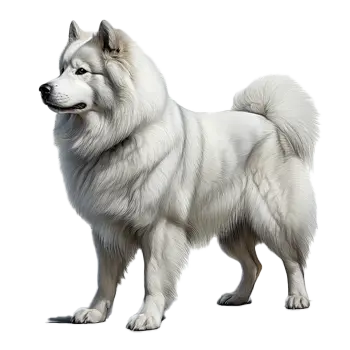
The Samoyed is a strikingly beautiful Spitz-type breed known for its magnificent white coat and characteristic gentle expression that has earned it devoted admirers worldwide. Males typically stand between 21 and 23.5 inches at the shoulder, while females range from 19 to 21 inches, presenting a well-balanced and substantial appearance. Weight ranges from 45 to 65 pounds for males and 35 to 50 pounds for females, with the breed exhibiting noticeable sexual dimorphism. The body is strong, compact, and well-muscled, built for endurance and hard work in harsh Arctic conditions where the breed originated with the Samoyede people of Siberia. The chest is deep with well-sprung ribs providing ample heart and lung capacity, and the back is straight and moderately long with a strong, slightly arched loin. The breed's most distinctive feature is its luxurious double coat, consisting of a dense, soft, wooly undercoat and a longer, harsh outer coat that stands away from the body creating a thick protective barrier. While predominantly pure white, the coat may also appear cream or biscuit colored, with some dogs displaying biscuit tinting particularly on the ears and around the face. The coat is designed to provide exceptional insulation against extreme cold and requires regular grooming to maintain its beauty and functional integrity. The breed experiences significant seasonal shedding, often referred to as blowing coat, typically occurring twice yearly when the undercoat comes out in large clumps. The head is wedge-shaped with a broad, slightly rounded skull and a well-defined stop between the forehead and muzzle. The muzzle is medium-length and tapers slightly toward the nose, which is preferably black though brown or liver-colored noses do occur, particularly in lighter-colored dogs. The famous Samoyed smile is created by the slight upward curve of the lips at the corners of the mouth, combined with sparkling dark, almond-shaped eyes that express warmth, intelligence, and mischievous good humor. Ears are triangular, erect, and set high on the head, covered with thick fur for protection. The tail is profusely coated and carried curled over the back or to one side when the dog is alert, serving as additional warmth when wrapped around the face during sleep.
Key Characteristics
Temperament Temperament Temperament Temperament Temperament Temperament Intelligence is a hallmark of the breed, though it comes paired with a certain independent streak that can make training challenging. Samoyeds respond best to positive reinforcement methods and can become bored with repetitive exercises. They are known for their vocal nature, communicating through barking, howling, and talking with various other sounds. Without adequate exercise, mental stimulation, and human interaction, Samoyeds may develop destructive behaviors or excessive vocalization. They retain their working heritage and enjoy activities that give them a sense of purpose.
Health Considerations Health Considerations Health Considerations Health Considerations Health Considerations Health Considerations Hip dysplasia is a common orthopedic concern in Samoyeds, where the hip joint develops abnormally, leading to arthritis and pain. Reputable breeders have their dogs' hips evaluated and certified. Diabetes mellitus occurs in Samoyeds at a higher rate than many other breeds, requiring lifelong management with insulin and dietary changes. Hypothyroidism, a deficiency in thyroid hormone production, is also seen in the breed and can cause weight gain, lethargy, and skin problems. Congenital heart defects, including atrial septal defect and pulmonic stenosis, have been documented in the breed. Uveodermatologic syndrome is an autoimmune condition affecting the eyes and skin that occurs in Samoyeds. The breed's heavy coat requires regular grooming to prevent skin problems and matting.
Siberian Husky
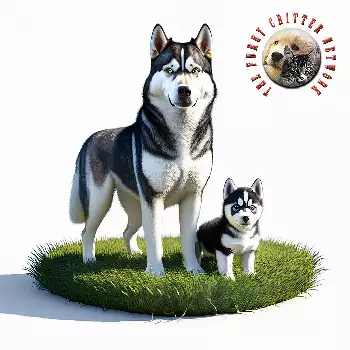
The Siberian Husky is a medium-sized working dog that combines power, speed, and endurance in an elegant package that reflects its heritage as a premier sled dog. Males typically stand between 21 and 23.5 inches at the shoulder, while females measure 20 to 22 inches, with both sexes presenting a balanced and athletic appearance. Weight ranges from 45 to 60 pounds for males and 35 to 50 pounds for females, though working sled dogs may be leaner. The body is moderately compact, slightly longer than tall, with a deep chest and well-muscled frame designed for efficient movement over long distances in extreme conditions. Their build reflects their heritage as sled dogs capable of pulling light loads at moderate speeds across vast frozen terrain. The coat is one of the breed's most striking features, consisting of a medium-length double coat that provides excellent insulation against extreme cold while also offering protection from summer heat. The soft, dense undercoat supports the straight, smooth outer coat, creating a weather-resistant barrier that requires regular brushing. Coat colors span a remarkable range including black, gray, red, agouti, sable, and white, often displaying dramatic markings and patterns that contribute to the breed's striking appearance. Many Huskies feature distinctive facial masks and striking cap patterns that enhance their wolf-like appearance. The breed sheds heavily twice yearly during coat blowing season and moderately throughout the rest of the year, requiring dedicated grooming attention. The head is proportionate to the body with a slightly rounded skull and a well-defined stop that creates balanced proportions. The muzzle is medium in length and tapers toward the nose, which may be black, liver, or flesh-colored depending on coat color. Perhaps the most captivating feature is their eyes, which can be blue, brown, amber, or even one of each color, a trait called heterochromia that is perfectly acceptable and even celebrated in the breed. The expression is keen, friendly, and often mischievous, reflecting their playful personality. Ears are triangular, medium-sized, and set high on the head, carried erect when alert. The tail is well-furred and fox-like, carried in a graceful sickle curve when moving or relaxed when at rest.
Key Characteristics
Temperament Temperament Temperament Temperament Temperament Temperament Huskies are pack animals that thrive on companionship, whether from humans or other dogs. They do not do well when left alone for extended periods and may become destructive or vocal when bored or lonely. Their high energy levels demand significant daily exercise, including opportunities to run in secure areas. They retain a strong prey drive and should be supervised around small animals. Huskies are famous for their vocalizations, including howling, talking, and various other sounds, but they rarely bark. Their playful, mischievous nature persists throughout life, and their zest for adventure makes them entertaining but challenging companions.
Health Considerations Health Considerations Health Considerations Health Considerations Health Considerations Health Considerations Hip dysplasia occurs in Siberian Huskies, though at lower rates than many other breeds of similar size. This condition causes abnormal development of the hip joint, leading to arthritis and mobility problems. Reputable breeders screen for this condition. Hypothyroidism, where the thyroid gland underproduces hormones, can cause weight gain, lethargy, and skin problems. Epilepsy has been reported in the breed, causing seizures that typically begin between six months and three years of age. Follicular dysplasia is a genetic skin condition that can cause hair loss and skin problems. Zinc deficiency can manifest as skin lesions, particularly around the face and paws. The breed may also be prone to certain genetic neurological conditions, including polyneuropathy and shaking puppy syndrome.
Important to Remember
Each hybrid dog is unique and may inherit any combination of traits from either parent breed. The information above represents the characteristics of the purebred parent breeds. Your Samusky may favor one parent over the other or display a blend of both. We strongly encourage you to read the complete breed profiles for both the Samoyed and Siberian Husky to fully understand the range of possible temperaments, health concerns, and care requirements.