Rat Pinscher
The Rat Pinscher is a cross between the Rat Terrier and the Miniature Pinscher. Because each hybrid inherits a unique combination of traits from both parents, we recommend thoroughly researching both breeds before choosing a Rat Pinscher. Pay special attention to temperament, health issues, and care requirements, as your dog may express characteristics from either parent breed.
Rat Terrier
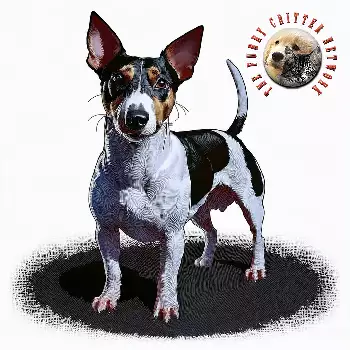
The Rat Terrier is a well-muscled, compact American breed that comes in two distinct size varieties recognized by the American Kennel Club. The Miniature variety stands between 10 and 13 inches at the withers, while the Standard variety measures 13 to 18 inches tall. Weight is proportional to height, typically ranging from 10 to 25 pounds depending on the size variety. The breed possesses a sturdy, athletic build with a deep chest, strong shoulders, solid neck, and powerful legs that reflect its heritage as a working farm dog. The body is compact yet substantial, giving the appearance of a dog built for both speed and endurance. The topline is level when standing and moving, contributing to the breed's balanced silhouette. The Rat Terrier's coat is short, smooth, dense, and shiny, lying close to the body and requiring minimal grooming. The breed is always parti-colored, featuring a white base with patches of one or more additional colors. Acceptable colors include black, chocolate, red, apricot, blue, fawn, tan, and lemon, with tan points being common in tricolor patterns. The coat should have a glossy appearance that reflects the dog's overall good health. Seasonal shedding is moderate and can be managed with regular brushing. The skin fits smoothly over the muscular body without excess wrinkling. The head is wedge-shaped when viewed from above, with a moderately broad skull that tapers slightly toward the muzzle. The stop is moderate but distinct. The ears can be carried erect, semi-erect, tipped, or button style, though they should always be alert and mobile when the dog is attentive. Eyes are oval-shaped, set wide apart, and come in various colors that complement the coat, expressing intelligence and alertness. The breed may be born with either a natural bobtail or a full-length tail, both of which are equally acceptable. When present, the tail is carried in an upward curve. One of the Rat Terrier's most distinctive features is its hackney-like gait, characterized by a high-stepping, elegant movement that demonstrates the breed's exceptional agility and athleticism.
Key Characteristics
Temperament Temperament Temperament Temperament Temperament Temperament Rat Terriers are adaptable dogs that can thrive in various living situations, from apartments to homes with large yards. They require at least 20 to 30 minutes of daily exercise, though most will happily participate in much more activity. These dogs have moderate to high energy levels but are not typically hyperactive, often content to spend significant time napping near their owners after sufficient exercise. Without proper training and leadership, they may develop small dog syndrome, attempting to become the pack leader. Early socialization and consistent training help ensure they develop into well-adjusted, confident companions.
Health Considerations Health Considerations Health Considerations Health Considerations Health Considerations Health Considerations Von Willebrand's disease, a blood clotting disorder, is frequently found in Rat Terriers and can cause excessive bleeding during surgery or injury. DNA testing is available to identify carriers. Dental disease is also common in this breed, with issues ranging from misaligned teeth to missing teeth. The breed may also be affected by degenerative myelopathy, a progressive spinal cord disease similar to ALS in humans. Despite these potential concerns, Rat Terriers are notably long-lived, with an average lifespan of 15 to 18 years, and many individuals commonly reaching 15 years or older with proper care and regular veterinary checkups.
Miniature Pinscher
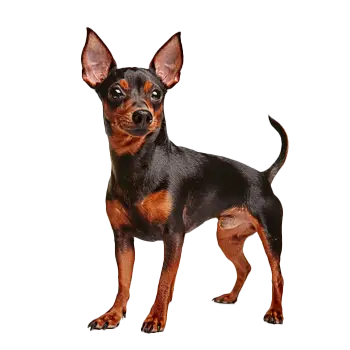
The Miniature Pinscher, affectionately known as the Min Pin, is a small, compact, and sturdy toy breed standing 10 to 12.5 inches tall at the shoulder and weighing between 8 and 10 pounds. Despite its name and similar appearance, this breed is not a miniaturized version of the Doberman Pinscher but rather a distinct breed believed to have originated from crosses between German Pinschers, Dachshunds, and Italian Greyhounds. The body is short-coupled and well-balanced, with a deep chest, well-sprung ribs, and a level topline. The overall structure conveys an impression of elegance combined with athletic capability. The breed's most distinctive characteristic is its high-stepping hackney gait, resembling the movement of a Hackney horse. This proud, prancing movement with the front feet lifted high and bent at the wrist is a hallmark of the breed and demonstrates its spirited, confident nature. The coat is short, smooth, hard, and lustrous, lying close to the body and requiring minimal grooming beyond occasional brushing. Standard colors include solid clear red, stag red which features red with intermingled black hairs, and black, chocolate, blue, or fawn with sharply defined rust-red markings on the cheeks, lips, lower jaw, throat, chest, legs, and above the eyes. The head is elongated and wedge-shaped with a flat skull and strong muzzle. The ears are set high and may be cropped to stand erect or left natural, where they can be either erect or folded. The eyes are dark, oval-shaped, and full of expression, contributing to the breed's alert, inquisitive appearance. The tail is traditionally docked where legal, though natural tails are increasingly common. The Miniature Pinscher is often called the King of Toys due to its regal bearing, confident stance, and commanding presence that belies its small stature. Every aspect of this breed's appearance conveys self-assurance and spirited elegance.
Key Characteristics
Temperament Temperament Temperament Temperament Temperament Temperament Min Pins require owners who appreciate their unique personality and can provide appropriate outlets for their considerable energy. They thrive on interaction and do not tolerate being left alone for extended periods, which can lead to destructive behaviors from boredom. These dogs are not ideal lap dogs despite their toy classification, as they prefer activity over sedentary cuddling. Early and ongoing socialization is essential to prevent fear-based aggression and ensure they develop into well-adjusted companions. When properly trained and socialized, the Miniature Pinscher makes a delightful, entertaining companion that brings tremendous energy and personality to any household.
Health Considerations Health Considerations Health Considerations Health Considerations Health Considerations Health Considerations Hypothyroidism occurs when the thyroid gland becomes underactive, leading to weight gain, lethargy, and coat problems. This condition is manageable with daily medication. The breed is also prone to dental disease due to their small mouths and crowded teeth, making regular dental care essential. Mast cell tumors, a type of skin cancer, occur more frequently in Miniature Pinschers than in many other breeds. Additionally, mucopolysaccharidosis Type VI is a serious genetic storage disease found in this breed, for which DNA testing is available. Color dilution alopecia may affect dogs with blue or fawn coat colors. Regular veterinary checkups and health screening of breeding stock help ensure the healthiest possible puppies.
Important to Remember
Each hybrid dog is unique and may inherit any combination of traits from either parent breed. The information above represents the characteristics of the purebred parent breeds. Your Rat Pinscher may favor one parent over the other or display a blend of both. We strongly encourage you to read the complete breed profiles for both the Rat Terrier and Miniature Pinscher to fully understand the range of possible temperaments, health concerns, and care requirements.