Rat Basset
The Rat Basset is a cross between the Basset Hound and the Rat Terrier. Because each hybrid inherits a unique combination of traits from both parents, we recommend thoroughly researching both breeds before choosing a Rat Basset. Pay special attention to temperament, health issues, and care requirements, as your dog may express characteristics from either parent breed.
Basset Hound

The Basset Hound is a distinctive short-legged hound that possesses remarkable bone density and substance, being heavier in bone for its size than any other breed of dog. Standing no more than 15 inches at the highest point of the shoulder, with most individuals measuring between 12 and 14 inches, this breed typically weighs between 40 and 65 pounds. The body is long and low-slung, with a deep chest that provides ample room for heart and lungs, supporting the breed's exceptional endurance when tracking game. Despite their heavy build, Basset Hounds move with a smooth, powerful gait that demonstrates both purpose and efficiency, never appearing clumsy despite their unconventional proportions. The coat is hard, smooth, and short with sufficient density to provide protection in various weather conditions and terrain. The skin is notably loose and elastic, creating the characteristic wrinkles particularly evident on the head and face. Any recognized hound color is acceptable according to breed standards, with tricolor combinations of black, white, and tan being most common, followed by red and white or lemon and white variations. The distribution of color and markings is considered unimportant in judging. The texture of the coat combined with the loose skin helps protect the dog when pushing through dense underbrush while tracking. The head is large and well-proportioned, with a length from occiput to muzzle greater than the width at the brow. The skull is well-domed with a pronounced occipital protuberance, and the muzzle is deep and heavy with pendulous lips. The ears are extraordinarily long, set low, and when drawn forward extend well beyond the tip of the nose. This extreme ear length serves a practical purpose, helping to stir up and funnel scent particles toward the nose during tracking. The eyes are soft and sad in expression, slightly sunken with prominent haw visible, contributing to the breed's characteristic melancholy appearance. The tail is long, set in continuation of the spine, and carried gaily in a slight curve when the dog is moving, serving as a visible flag when the hound is working in heavy cover.
Key Characteristics
Temperament Temperament Temperament Temperament Temperament Temperament Basset Hounds are known for their vocal nature, possessing a deep, melodious bay that carries over considerable distances. While this trait was prized in hunting to help hunters locate their hounds, it can become problematic in suburban settings if the dog is bored or seeking attention. The breed forms strong attachments to their families and does not do well when left alone for extended periods. Separation anxiety can manifest as excessive vocalization, destructive behavior, or attempts to escape. Their extreme devotion combined with their gentle nature makes them wonderful companions for those who appreciate a loyal, affectionate dog willing to participate in activities at a moderate pace. Exercise needs are moderate despite their low-key appearance, as the breed benefits from regular walks that allow them to explore and use their remarkable noses.
Health Considerations Health Considerations Health Considerations Health Considerations Health Considerations Health Considerations The breed's distinctive physical structure contributes to several orthopedic concerns. Intervertebral disc disease occurs frequently due to the long spine and short legs, potentially causing pain, weakness, or paralysis. Maintaining appropriate weight and avoiding activities that stress the spine help reduce risk. Hip dysplasia and patellar luxation affect joint function and mobility. Elbow dysplasia is another concern in this heavy-boned breed. The ears, while beautiful, require regular attention as their length and fold create warm, moist environments favorable to bacterial and yeast infections. Eye conditions including glaucoma, which studies show affects Bassets at rates significantly higher than most breeds, cherry eye, and ectropion require monitoring. Additional health concerns include obesity, which exacerbates many other conditions, thrombopathy affecting blood clotting, hypothyroidism, and various skin conditions related to the loose, folded skin.
Rat Terrier
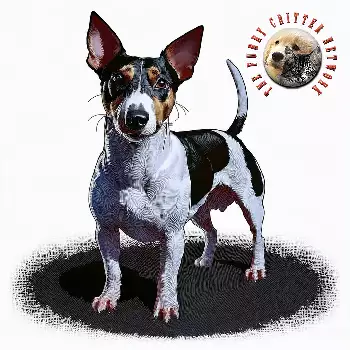
The Rat Terrier is a sturdy, compact, small-to-medium sized dog that presents an appearance of elegance and athletic fitness, conveying an impression of speed, power, and balance. The breed comes in two distinct size varieties recognized by the American Kennel Club: Miniature, standing at least 10 inches but not exceeding 13 inches at the withers, and Standard, measuring over 13 inches up to and including 18 inches. Weight typically ranges from 10 to 25 pounds, proportionate to height. The body is slightly longer than tall, with a level back, moderately deep chest, and well-sprung ribs that appear oval when viewed from the front. The musculature is smooth and flat, blending seamlessly into the body rather than appearing bulky or overdeveloped. The coat is short, close-lying, smooth, and shiny with dense, firm texture. The breed is always parti-colored, meaning it must display white markings combined with one or more other colors. Acceptable colors include black, chocolate, red, apricot, blue, fawn, tan, and lemon, with or without tan points. The pied patterning requires white to comprise between 10 and 90 percent of the body, with any combination of spots, patches, or splashes being equally acceptable. Solid-colored dogs without white markings are disqualified from the breed standard. Sabling is permitted in the coat, along with shading on the head or penciling on the toes. The head is proportionate to the body with a wedge-shaped appearance when viewed from above. The skull is moderately broad and slightly domed, with strong, well-developed jaws. Ears may be erect, tipped, or button-shaped, always matching in carriage. The eyes are set well apart, small to medium sized, and obliquely set, expressing alertness and intelligence. The tail may be naturally bobbed, docked between the second and third joint, or left naturally long and tapering to the hock. Overall, the Rat Terrier embodies the look of a versatile, capable working terrier refined through decades of selective breeding for both function and form.
Key Characteristics
Temperament Temperament Temperament Temperament Temperament Temperament Rat Terriers make excellent watchdogs, alerting their families to visitors or unusual activity without being excessively yappy. They are generally friendly toward strangers once properly introduced but maintain a protective awareness of their territory. With children, they can be wonderful playmates when raised together, though their terrier energy means supervision is recommended with very young children. Their strong prey drive means they may chase small animals, and secure fencing is essential. They can suffer from separation anxiety if left alone for extended periods, as they thrive on human companionship and involvement in family activities.
Health Considerations Health Considerations Health Considerations Health Considerations Health Considerations Health Considerations Eye conditions warrant particular attention in Rat Terriers. Primary lens luxation is a serious inherited condition where the lens becomes displaced within the eye, potentially leading to glaucoma and blindness if untreated. Progressive retinal atrophy gradually deteriorates the retina and can result in vision loss. Responsible breeders screen their breeding stock for these hereditary eye diseases. Additional health concerns include cardiac disease, which studies have identified as a leading cause of death in the breed, hypothyroidism affecting metabolic function, epilepsy causing seizures, and dental problems requiring regular oral care. Von Willebrand's disease, a blood clotting disorder, has also been identified in some bloodlines. Health testing of breeding dogs and working with reputable breeders who prioritize health can significantly reduce the risk of these inherited conditions.
Important to Remember
Each hybrid dog is unique and may inherit any combination of traits from either parent breed. The information above represents the characteristics of the purebred parent breeds. Your Rat Basset may favor one parent over the other or display a blend of both. We strongly encourage you to read the complete breed profiles for both the Basset Hound and Rat Terrier to fully understand the range of possible temperaments, health concerns, and care requirements.