Rashon
The Rashon is a cross between the Rat Terrier and the Bichon Frise. Because each hybrid inherits a unique combination of traits from both parents, we recommend thoroughly researching both breeds before choosing a Rashon. Pay special attention to temperament, health issues, and care requirements, as your dog may express characteristics from either parent breed.
Rat Terrier
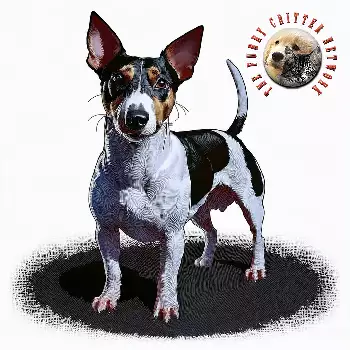
The Rat Terrier is a sturdy, compact, small-to-medium sized dog that presents an appearance of elegance and athletic fitness, conveying an impression of speed, power, and balance. The breed comes in two distinct size varieties recognized by the American Kennel Club: Miniature, standing at least 10 inches but not exceeding 13 inches at the withers, and Standard, measuring over 13 inches up to and including 18 inches. Weight typically ranges from 10 to 25 pounds, proportionate to height. The body is slightly longer than tall, with a level back, moderately deep chest, and well-sprung ribs that appear oval when viewed from the front. The musculature is smooth and flat, blending seamlessly into the body rather than appearing bulky or overdeveloped. The coat is short, close-lying, smooth, and shiny with dense, firm texture. The breed is always parti-colored, meaning it must display white markings combined with one or more other colors. Acceptable colors include black, chocolate, red, apricot, blue, fawn, tan, and lemon, with or without tan points. The pied patterning requires white to comprise between 10 and 90 percent of the body, with any combination of spots, patches, or splashes being equally acceptable. Solid-colored dogs without white markings are disqualified from the breed standard. Sabling is permitted in the coat, along with shading on the head or penciling on the toes. The head is proportionate to the body with a wedge-shaped appearance when viewed from above. The skull is moderately broad and slightly domed, with strong, well-developed jaws. Ears may be erect, tipped, or button-shaped, always matching in carriage. The eyes are set well apart, small to medium sized, and obliquely set, expressing alertness and intelligence. The tail may be naturally bobbed, docked between the second and third joint, or left naturally long and tapering to the hock. Overall, the Rat Terrier embodies the look of a versatile, capable working terrier refined through decades of selective breeding for both function and form.
Key Characteristics
Temperament Temperament Temperament Temperament Temperament Temperament Rat Terriers make excellent watchdogs, alerting their families to visitors or unusual activity without being excessively yappy. They are generally friendly toward strangers once properly introduced but maintain a protective awareness of their territory. With children, they can be wonderful playmates when raised together, though their terrier energy means supervision is recommended with very young children. Their strong prey drive means they may chase small animals, and secure fencing is essential. They can suffer from separation anxiety if left alone for extended periods, as they thrive on human companionship and involvement in family activities.
Health Considerations Health Considerations Health Considerations Health Considerations Health Considerations Health Considerations Eye conditions warrant particular attention in Rat Terriers. Primary lens luxation is a serious inherited condition where the lens becomes displaced within the eye, potentially leading to glaucoma and blindness if untreated. Progressive retinal atrophy gradually deteriorates the retina and can result in vision loss. Responsible breeders screen their breeding stock for these hereditary eye diseases. Additional health concerns include cardiac disease, which studies have identified as a leading cause of death in the breed, hypothyroidism affecting metabolic function, epilepsy causing seizures, and dental problems requiring regular oral care. Von Willebrand's disease, a blood clotting disorder, has also been identified in some bloodlines. Health testing of breeding dogs and working with reputable breeders who prioritize health can significantly reduce the risk of these inherited conditions.
Bichon Frise

The Bichon Frise is a small, sturdy dog with a distinctive powder-puff appearance that belies its surprisingly solid and resilient build. Standing between 9.5 and 11.5 inches at the shoulder and weighing between 12 and 18 pounds, this breed presents a compact yet well-proportioned silhouette. The body is slightly longer than tall, creating a balanced appearance with good bone structure that provides substance without coarseness. Despite their fluffy appearance, Bichons possess athletic capability and move with a free, effortless gait that demonstrates both reach and drive. The breed standard emphasizes an overall impression of a soft, inquisitive dog with a cheerful attitude reflected in the plumed tail carried curved over the back. The coat is perhaps the breed's most recognizable feature, consisting of a soft, dense undercoat combined with a coarser, curlier outer coat that stands away from the body, creating the signature rounded appearance when properly groomed. The texture should be neither silky nor wiry but rather something in between that springs back when touched. Color is predominantly white, though shadings of buff, cream, or apricot may appear around the ears or on the body, typically comprising no more than 10 percent of the total coat. When groomed for show, the coat is trimmed to reveal the natural outline of the body while maintaining the rounded powder-puff look, though many pet owners prefer a shorter puppy cut for easier maintenance. The head contributes significantly to the breed's appealing expression, with a slightly rounded skull and a well-defined stop. The muzzle is proportionate to the skull, not snipey or overly broad, and supports a black nose and dark, round eyes surrounded by dark halos that enhance the alert, curious expression characteristic of the breed. The ears are set slightly above eye level and hang close to the head, covered with long flowing hair that blends into the body coat. When alert, the ears lift slightly at the base, adding to the breed's attentive appearance. The overall impression is of a happy, confident small dog whose appearance invites interaction and whose expression suggests intelligence and warmth.
Key Characteristics
Temperament Temperament Temperament Temperament Temperament Temperament Socially, Bichons are remarkably adaptable and generally get along well with other dogs and pets when properly introduced. Their friendly nature extends to most situations, making them poor guard dogs but excellent social companions who can adapt to various living environments from apartments to large homes. One significant consideration for potential owners is the breed's strong need for companionship. Bichons can develop separation anxiety when left alone for extended periods, potentially resulting in excessive barking or destructive behavior. They are happiest when included in family activities and do best in households where someone is home frequently or where they can have canine companionship.
Health Considerations Health Considerations Health Considerations Health Considerations Health Considerations Health Considerations The breed is prone to several other health issues that warrant attention. Allergies and skin conditions are relatively common, with affected dogs showing symptoms such as itching, redness, and ear infections. The Bichon's floppy ears combined with dense coat around the ear canal can predispose them to ear infections requiring regular cleaning and monitoring. Dental disease develops frequently in small breeds, making regular dental care essential. Eye conditions including cataracts and corneal dystrophy may affect vision as the dog ages. Bladder stones and urinary issues occur with notable frequency. More serious conditions include diabetes mellitus, Cushing's disease affecting the adrenal glands, and liver shunts that can be present from birth. Responsible breeders screen for hereditary conditions and provide health clearances for breeding stock.
Important to Remember
Each hybrid dog is unique and may inherit any combination of traits from either parent breed. The information above represents the characteristics of the purebred parent breeds. Your Rashon may favor one parent over the other or display a blend of both. We strongly encourage you to read the complete breed profiles for both the Rat Terrier and Bichon Frise to fully understand the range of possible temperaments, health concerns, and care requirements.