Pugapoo
The Pugapoo is a cross between the Pug and the Poodle. Because each hybrid inherits a unique combination of traits from both parents, we recommend thoroughly researching both breeds before choosing a Pugapoo. Pay special attention to temperament, health issues, and care requirements, as your dog may express characteristics from either parent breed.
Pug
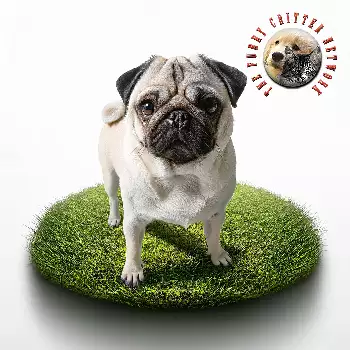
The Pug is a compact, muscular toy breed that embodies the Latin phrase multum in parvo, meaning much in little, perfectly capturing this breed's substantial personality packed into a small frame. This sturdy dog typically weighs between 14 and 18 pounds and stands 10 to 11 inches at the shoulder, presenting a square, cobby body with substantial bone and well-developed musculature throughout. The breed's overall silhouette is distinctly compact and symmetrical, featuring a wide chest, straight front legs, and hindquarters that balance the front assembly harmoniously. Despite their small size, Pugs are surprisingly solid and heavy for their dimensions, with a density of muscle that often surprises people when they first pick one up. The head is the Pug's most distinctive and recognizable feature, being large, round, and massive in proportion to the body with no indentation of the skull. The face is characterized by a short, blunt muzzle that gives the breed its signature flat-faced appearance, deep and extensive wrinkles across the forehead that form distinctive patterns when the dog is alert or curious, and large, dark, lustrous eyes that are globular in shape and set well apart. The expression created by these features is soft and solicitous, often described as concerned, quizzical, or humanlike in its emotional depth. The ears are small and soft like black velvet, coming in two varieties: rose ears that fold over and back to reveal the inner burr, or button ears that fold forward with the tip lying close to the skull, which is the preferred style. The Pug's coat is fine, smooth, short, and glossy, requiring minimal grooming beyond regular brushing to control moderate shedding. The breed comes primarily in two accepted colors: fawn, which can range from a light apricot to silver, and black, which should be a pure jet color without any white markings. Fawn-colored Pugs have a distinctive black mask covering the muzzle and ears, with a dark trace line running down the center of the back. Another hallmark of the breed is the tightly curled tail that rests firmly over the hip, with a double curl being highly desirable in the show ring. The facial wrinkles require regular cleaning to prevent bacterial buildup and skin infections.
Key Characteristics
Temperament Temperament Temperament Temperament Temperament Temperament The breed exhibits a relatively calm energy level compared to many other toy breeds, enjoying brief bursts of playful activity followed by extended rest periods. Pugs are sometimes described as couch potatoes who greatly enjoy napping, though they remain alert to household activities and interested in family goings-on. Their low exercise requirements make them suitable for apartment living, though care must be taken to prevent obesity. One important consideration is that Pugs strongly dislike being left alone and may develop separation anxiety if regularly isolated, making them best suited to households where someone is frequently home.
Health Considerations Health Considerations Health Considerations Health Considerations Health Considerations Health Considerations Pug Dog Encephalitis represents a devastating breed-specific condition that causes inflammation of the brain, progressing rapidly to seizures and death. While relatively rare, this fatal condition has no cure and primarily affects young adult Pugs. Beyond these major concerns, the breed is prone to patellar luxation, hip dysplasia, skin fold dermatitis requiring regular cleaning of facial wrinkles, and obesity that exacerbates breathing difficulties. The Pug's typical lifespan ranges from 12 to 15 years, with quality of life significantly enhanced by maintaining healthy weight, avoiding overheating, and providing appropriate veterinary care throughout their lives.
Poodle

The Poodle is an elegant, athletic breed that comes in three distinct size varieties, all sharing the same breed standard proportions and characteristics that define this distinguished breed. Standard Poodles stand over 15 inches at the shoulder and typically weigh between 40 and 70 pounds, while Miniature Poodles measure between 10 and 15 inches and weigh 10 to 15 pounds. Toy Poodles are the smallest variety, standing under 10 inches at the shoulder and weighing between 4 and 6 pounds. Regardless of size, all Poodles present a squarely built body with a proud carriage and an unmistakable air of dignity and intelligence that immediately distinguishes the breed from all others. The Poodle's head is moderately rounded with a long, straight muzzle featuring a slight chiseling under the eyes, and dark, oval-shaped eyes that convey an alert and intelligent expression. The stop is moderate but definite, and the skull and muzzle are roughly equal in length. The ears are set at or slightly below eye level and hang close to the head, covered with long, wavy hair that adds to the breed's elegant appearance. The neck is well-proportioned, strong, and rises elegantly from the shoulders in a smooth arch, contributing to the breed's aristocratic bearing. The body is well-balanced with a deep chest reaching to the elbow, a straight back, a short loin, and a tail that is set high and carried erect, traditionally docked in countries where this practice remains legal. The coat is the Poodle's most distinctive feature, consisting of dense, harsh, curly hair that grows continuously and does not shed in the traditional sense, making regular professional grooming essential. This non-shedding quality makes Poodles a popular choice for people with allergies, though they require extensive grooming to prevent matting and maintain coat health. The breed comes in a variety of solid colors including black, white, apricot, cream, silver, blue, gray, brown, and cafe-au-lait, with parti-colored dogs appearing in some breeding programs though not accepted in all registries. The elaborate show clips for which Poodles are famous, such as the Continental and English Saddle clips, were originally developed to protect joints and vital organs during water retrieval work while reducing the weight of the wet coat and allowing freedom of movement during swimming.
Key Characteristics
Temperament Temperament Temperament Temperament Temperament Temperament While Poodles are generally friendly dogs, they can be reserved with strangers and may exhibit territorial behavior, making them more effective watchdogs than many other companion breeds. They are typically good with children and other pets when properly socialized, though their sensitivity means they respond best to calm, consistent training methods rather than harsh corrections. The breed's high intelligence can occasionally manifest as stubbornness if they sense inconsistency in their training or become bored with repetitive exercises. Providing varied mental enrichment and maintaining clear, positive leadership helps channel the Poodle's remarkable intellect productively.
Health Considerations Health Considerations Health Considerations Health Considerations Health Considerations Health Considerations Epilepsy has a genetic component in Poodles, with affected dogs experiencing recurring seizures that often require ongoing medication to control. Standard Poodles face elevated risk for gastric dilatation-volvulus, commonly called bloat, a life-threatening emergency where the stomach twists on itself. Preventive measures include feeding multiple smaller meals and avoiding vigorous exercise around mealtimes. Other conditions seen in the breed include sebaceous adenitis, an inflammatory skin disease particularly affecting Toy and Miniature varieties, hypothyroidism, patellar luxation in smaller Poodles, and von Willebrand's disease, a bleeding disorder. Regular veterinary checkups and appropriate health screening of breeding dogs help minimize these conditions.
Important to Remember
Each hybrid dog is unique and may inherit any combination of traits from either parent breed. The information above represents the characteristics of the purebred parent breeds. Your Pugapoo may favor one parent over the other or display a blend of both. We strongly encourage you to read the complete breed profiles for both the Pug and Poodle to fully understand the range of possible temperaments, health concerns, and care requirements.