Presa Dane
The Presa Dane is a cross between the Presa Canario and the Great Dane. Because each hybrid inherits a unique combination of traits from both parents, we recommend thoroughly researching both breeds before choosing a Presa Dane. Pay special attention to temperament, health issues, and care requirements, as your dog may express characteristics from either parent breed.
Presa Canario

The Presa Canario is a moderately large, powerfully constructed mastiff-type dog that presents an imposing and formidable appearance. Males typically stand between 23 and 26 inches at the withers and weigh between 100 and 125 pounds, while females measure 22 to 25 inches and weigh 85 to 100 pounds. The breed possesses a strong, compact body that is slightly longer than it is tall, with a deep, broad chest that extends approximately to the point of the elbows and well-sprung ribs that provide ample lung capacity. The overall structure conveys power and athleticism without appearing clumsy or cumbersome. The head of the Presa Canario is one of its most distinctive features, appearing massive and cuboid with a broad, flat skull and a well-defined stop. The muzzle is broad and typically shorter than the skull length, contributing to the breed's powerful expression. The eyes are medium-sized, slightly oval, and range from medium to dark brown in color, conveying an alert and confident expression. Ears may be cropped to stand erect where permitted, or naturally pendant and medium-sized. The powerful jaws house a complete set of large teeth that meet in a scissors or level bite. The Presa Canario wears a short, flat single coat that is harsh in texture, providing weather protection without excessive grooming requirements. The coat appears very short and fine on the ears while being slightly longer on the withers and hindquarters. Acceptable colors include various shades of fawn, black, and brindle in any combination of these colors. A distinctive black mask is required on all coat colors and should not extend above the eyes. Minimal white markings are permitted on the chest, throat, and toes, but white markings covering more than twenty percent of the body are considered a disqualification. The thick tail tapers to a point and reaches approximately to the hock when relaxed.
Key Characteristics
Temperament Temperament Temperament Temperament Temperament Temperament While intensely loyal to family members, the Presa Canario typically prefers being the only pet in the household and may not tolerate other dogs, particularly those of the same sex. The breed possesses a high prey drive, which means careful supervision is necessary around smaller animals. With children in the family, proper introductions and supervision are essential, though the breed can be gentle and protective with youngsters it has been raised alongside. The Presa Canario thrives on having a job to do and requires both mental stimulation and physical exercise to remain content and well-behaved.
Health Considerations Health Considerations Health Considerations Health Considerations Health Considerations Health Considerations Dilated cardiomyopathy is a heart condition that affects the Presa Canario, causing the heart muscle to weaken and enlarge over time, reducing its ability to pump blood effectively. Regular cardiac screening can help detect this condition early. Other health concerns in the breed include hypothyroidism, which affects metabolic function and can cause weight gain, lethargy, and skin problems. Eye conditions such as entropion, where the eyelid rolls inward causing irritation, and cherry eye may also occur. Maintaining a healthy weight, providing appropriate exercise, and scheduling regular veterinary examinations are essential components of preventive health care for this breed.
Great Dane
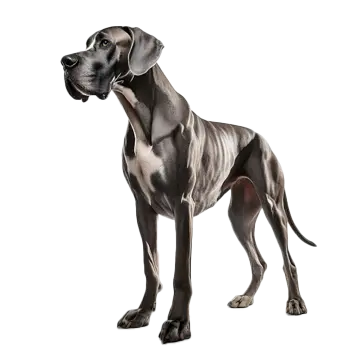
The Great Dane stands as one of the largest dog breeds in the world, combining imposing size with an elegant and noble appearance that has earned it the nickname Apollo of Dogs. Male Great Danes typically stand 30 to 32 inches at the shoulder and weigh between 140 and 175 pounds, while females measure 28 to 30 inches and weigh 110 to 140 pounds. Despite their massive size, Great Danes carry themselves with grace and dignity, displaying a well-balanced, muscular body that appears neither clumsy nor overly refined. The breed presents a square profile when properly proportioned, with the body length from chest to buttocks approximately equal to the height at the withers. The head of the Great Dane is long, rectangular, and finely chiseled, with a full, square jaw and a pronounced stop. The eyes are medium-sized, deep-set, and preferably dark in color, conveying an intelligent and alert expression. Ears are high-set and medium-sized, folding forward close to the cheek when natural, though cropped ears that stand erect were historically common. The long, arched neck flows smoothly into well-laid-back shoulders, creating an elegant silhouette. The chest is deep and broad, providing ample heart and lung room, while the topline remains level from withers to a slightly rounded croup. Great Danes possess a short, thick, smooth coat that lies close to the body and has a glossy appearance when properly cared for. The breed standard recognizes several color patterns including fawn with a black mask, brindle with a chevron pattern, blue ranging from steel to slate gray, black, harlequin featuring a pure white base with irregular black patches, and mantle showing a black blanket over a white base. The tail is long, reaching to the hock, set high, and carried in line with the back. Movement should be strong, powerful, and well-coordinated, covering ground effortlessly with good reach in front and strong drive from behind.
Key Characteristics
Temperament Temperament Temperament Temperament Temperament Temperament Great Danes are eager to please and respond well to positive reinforcement training methods, making them generally easy to train despite occasional moments of stubbornness. Early socialization is important to ensure these giant dogs develop into well-mannered adults who are comfortable in various situations. The breed typically gets along well with other dogs and household pets, especially when raised together from a young age. Great Danes can develop separation anxiety if left alone for extended periods, as they thrive on companionship and do not do well as outdoor-only dogs. Their sensitive nature means they respond best to gentle, consistent handling rather than harsh correction.
Health Considerations Health Considerations Health Considerations Health Considerations Health Considerations Health Considerations Hip dysplasia and elbow dysplasia are common orthopedic concerns in Great Danes due to their rapid growth and large size. These conditions occur when the joints develop abnormally, leading to arthritis, pain, and mobility problems. Wobbler syndrome, also known as cervical vertebral instability, affects the neck vertebrae and can cause a characteristic wobbly gait, weakness, and in severe cases, paralysis. Hypothyroidism, bone cancer particularly osteosarcoma, and lymphoma are additional health concerns seen in the breed. Maintaining appropriate weight during the growth phase, feeding a diet formulated for large breed puppies, and avoiding excessive exercise in young dogs can help support healthy skeletal development.
Important to Remember
Each hybrid dog is unique and may inherit any combination of traits from either parent breed. The information above represents the characteristics of the purebred parent breeds. Your Presa Dane may favor one parent over the other or display a blend of both. We strongly encourage you to read the complete breed profiles for both the Presa Canario and Great Dane to fully understand the range of possible temperaments, health concerns, and care requirements.