Pootalian
The Pootalian is a cross between the Italian Greyhound and the Poodle. Because each hybrid inherits a unique combination of traits from both parents, we recommend thoroughly researching both breeds before choosing a Pootalian. Pay special attention to temperament, health issues, and care requirements, as your dog may express characteristics from either parent breed.
Italian Greyhound
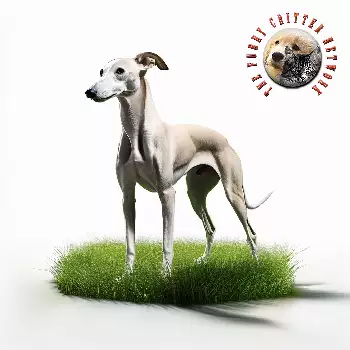
The Italian Greyhound is a true sighthound in miniature, presenting an exquisitely refined and elegant appearance that has captivated nobility and dog enthusiasts for centuries. Standing 13 to 15 inches at the shoulder and weighing between 7 to 14 pounds, this toy breed possesses all the grace and athleticism of its larger Greyhound relatives scaled down to a delicate, portable size. The body is slender yet surprisingly muscular, featuring a deep chest, well-sprung ribs, and a distinctive arched back that contributes to the breed's curved silhouette. The long, fine-boned legs provide both elegance and the speed for which sighthounds are renowned, allowing this small dog to achieve impressive bursts of velocity. The Italian Greyhound's head is long and narrow with a fine, tapered muzzle and a barely perceptible stop. Small, delicate, rose-shaped ears fold back against the head when relaxed but may prick forward when the dog is alert or interested in something. The eyes are medium-sized, dark, and expressive, conveying the breed's sensitive and attentive nature with a soft, intelligent gaze. The neck is long, gracefully arched, and leads into well-laid-back shoulders that enable the smooth, efficient movement characteristic of coursing hounds. The tail is slender and tapers to a curved end, carried low with a slight curl at the tip. The coat is one of the Italian Greyhound's lowest-maintenance features, consisting of a short, smooth, glossy single layer that lies close to the body with a distinctively soft, velvety texture. Without an undercoat, the breed is sensitive to cold temperatures and often requires sweaters or coats in cooler weather to stay comfortable. The coat comes in virtually any color or combination including fawn, blue, gray, black, cream, red, and white, with brindle patterns also occurring. Blue-gray is among the most common and distinctive colorings seen in the breed. The breed's fine skin can be susceptible to sunburn, particularly in lighter-colored individuals, and some dogs may benefit from dog-safe sunscreen during extended outdoor activities.
Key Characteristics
Temperament Temperament Temperament Temperament Temperament Temperament Italian Greyhounds are not typically recommended for households with very young children due to their delicate build and sensitive temperament. They can be frightened or injured by rough handling or sudden movements, and stressed dogs may become snappy in self-defense. The breed can be challenging to housetrain, as many Italian Greyhounds are reluctant to go outside in cold or wet weather. They dislike rain intensely and may require indoor elimination options during inclement weather. While they can adapt to apartment living due to their size, they still need daily exercise including walks and opportunities to run in safely enclosed areas. Their strong prey drive means they should never be trusted off-leash in unfenced areas, as they will chase small animals and can reach surprising speeds.
Health Considerations Health Considerations Health Considerations Health Considerations Health Considerations Health Considerations Progressive retinal atrophy is an inherited eye condition that affects Italian Greyhounds, causing gradual vision loss that typically begins between three and nine years of age and eventually progresses to blindness. Genetic testing is available to identify carriers and affected dogs before breeding. Cataracts are another hereditary eye concern in the breed. Amelogenesis imperfecta is a relatively recently identified genetic disorder in Italian Greyhounds that affects tooth enamel development, causing thin, rough enamel that wears quickly and leads to dental problems beyond normal periodontal disease. Congenital muscular dystrophy has also been identified in the breed through genetic research. Other health issues that may affect Italian Greyhounds include luxating patella, Legg-Calve-Perthes disease, hypothyroidism, epilepsy, and sensitivity to certain anesthetics. The breed's thin skin and lack of undercoat make them prone to sunburn and sensitive to extreme temperatures.
Poodle

The Poodle is an elegant, well-proportioned breed that comes in three recognized size varieties, each sharing the same breed standard proportions and characteristics. Standard Poodles stand over 15 inches at the shoulder and typically weigh between 40 to 70 pounds, Miniature Poodles measure 10 to 15 inches and weigh 10 to 15 pounds, while Toy Poodles stand 10 inches or under and weigh only 4 to 6 pounds. Regardless of size, the Poodle presents a square silhouette when properly proportioned, with the length from breastbone to rump approximately equal to the height at the withers. The breed carries itself with an unmistakable air of dignity and pride. The Poodle's most distinctive feature is its dense, curly, single-layer coat that grows continuously rather than shedding seasonally. This unique coat texture has made the breed popular among allergy sufferers, as it produces less dander and is often described as hypoallergenic. The coat comes in a wide range of solid colors recognized by major kennel clubs, including black, white, brown, blue, gray, silver, cafe au lait, silver beige, cream, apricot, and red. The coat requires regular professional grooming every four to eight weeks and daily brushing to prevent matting, as neglected coats will form cords similar to dreadlocks. Beneath the elaborate show clips that many associate with the breed lies an athletic, well-muscled dog built for active work. The head is moderately rounded with a long, straight muzzle and an intelligent, alert expression. The ears hang close to the head and are set at or slightly below eye level, featuring long, thick feathering. The eyes are dark and oval-shaped, conveying the breed's keen intelligence and eager disposition. The Poodle moves with a light, springy gait that demonstrates both elegance and athleticism, reflecting the breed's origins as a capable water retriever and all-around sporting dog.
Key Characteristics
Temperament Temperament Temperament Temperament Temperament Temperament Poodles are generally friendly with other dogs and can get along well with cats and other pets when properly socialized. They are patient and gentle with children, though the smaller varieties should be supervised around very young children who may handle them too roughly. The breed can develop separation anxiety if left alone too frequently or for too long, potentially resulting in destructive behaviors. They require both physical exercise and mental stimulation daily, with Standard Poodles needing at least an hour of activity while smaller varieties have proportionally lower but still significant exercise needs. Poodles excel in virtually any canine sport or activity and maintain their enthusiasm for play throughout their lives.
Health Considerations Health Considerations Health Considerations Health Considerations Health Considerations Health Considerations Standard Poodles face an elevated risk of gastric dilatation-volvulus, or bloat, a potentially fatal condition where the stomach fills with gas and may twist on itself. Sebaceous adenitis, a skin condition that affects the oil-producing glands and can cause hair loss and skin problems, is another concern particularly in Standard Poodles, with studies suggesting up to 50 percent may be carriers or affected. Smaller Poodle varieties are prone to luxating patella, where the kneecap slips out of position, and Legg-Calve-Perthes disease, which affects blood supply to the hip joint. The breed is also predisposed to epilepsy, hypothyroidism, and certain cardiac conditions. Comprehensive health testing through programs like the Canine Health Information Center helps breeders make informed decisions to improve overall breed health.
Important to Remember
Each hybrid dog is unique and may inherit any combination of traits from either parent breed. The information above represents the characteristics of the purebred parent breeds. Your Pootalian may favor one parent over the other or display a blend of both. We strongly encourage you to read the complete breed profiles for both the Italian Greyhound and Poodle to fully understand the range of possible temperaments, health concerns, and care requirements.