Poolky
The Poolky is a cross between the Poodle and the Silky Terrier. Because each hybrid inherits a unique combination of traits from both parents, we recommend thoroughly researching both breeds before choosing a Poolky. Pay special attention to temperament, health issues, and care requirements, as your dog may express characteristics from either parent breed.
Poodle

The Poodle is an elegant, well-proportioned breed that comes in three recognized size varieties, each sharing the same breed standard proportions and characteristics. Standard Poodles stand over 15 inches at the shoulder and typically weigh between 40 to 70 pounds, Miniature Poodles measure 10 to 15 inches and weigh 10 to 15 pounds, while Toy Poodles stand 10 inches or under and weigh only 4 to 6 pounds. Regardless of size, the Poodle presents a square silhouette when properly proportioned, with the length from breastbone to rump approximately equal to the height at the withers. The breed carries itself with an unmistakable air of dignity and pride. The Poodle's most distinctive feature is its dense, curly, single-layer coat that grows continuously rather than shedding seasonally. This unique coat texture has made the breed popular among allergy sufferers, as it produces less dander and is often described as hypoallergenic. The coat comes in a wide range of solid colors recognized by major kennel clubs, including black, white, brown, blue, gray, silver, cafe au lait, silver beige, cream, apricot, and red. The coat requires regular professional grooming every four to eight weeks and daily brushing to prevent matting, as neglected coats will form cords similar to dreadlocks. Beneath the elaborate show clips that many associate with the breed lies an athletic, well-muscled dog built for active work. The head is moderately rounded with a long, straight muzzle and an intelligent, alert expression. The ears hang close to the head and are set at or slightly below eye level, featuring long, thick feathering. The eyes are dark and oval-shaped, conveying the breed's keen intelligence and eager disposition. The Poodle moves with a light, springy gait that demonstrates both elegance and athleticism, reflecting the breed's origins as a capable water retriever and all-around sporting dog.
Key Characteristics
Temperament Temperament Temperament Temperament Temperament Temperament Poodles are generally friendly with other dogs and can get along well with cats and other pets when properly socialized. They are patient and gentle with children, though the smaller varieties should be supervised around very young children who may handle them too roughly. The breed can develop separation anxiety if left alone too frequently or for too long, potentially resulting in destructive behaviors. They require both physical exercise and mental stimulation daily, with Standard Poodles needing at least an hour of activity while smaller varieties have proportionally lower but still significant exercise needs. Poodles excel in virtually any canine sport or activity and maintain their enthusiasm for play throughout their lives.
Health Considerations Health Considerations Health Considerations Health Considerations Health Considerations Health Considerations Standard Poodles face an elevated risk of gastric dilatation-volvulus, or bloat, a potentially fatal condition where the stomach fills with gas and may twist on itself. Sebaceous adenitis, a skin condition that affects the oil-producing glands and can cause hair loss and skin problems, is another concern particularly in Standard Poodles, with studies suggesting up to 50 percent may be carriers or affected. Smaller Poodle varieties are prone to luxating patella, where the kneecap slips out of position, and Legg-Calve-Perthes disease, which affects blood supply to the hip joint. The breed is also predisposed to epilepsy, hypothyroidism, and certain cardiac conditions. Comprehensive health testing through programs like the Canine Health Information Center helps breeders make informed decisions to improve overall breed health.
Silky Terrier
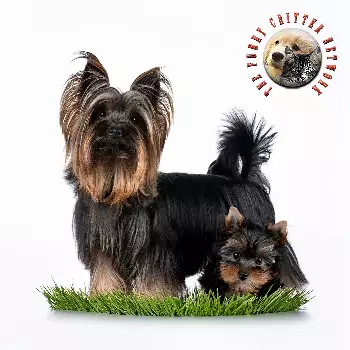
The Silky Terrier is a small, elegant toy breed that presents a refined yet sturdy appearance, belying its terrier heritage and working capabilities. Standing 9 to 10 inches at the shoulder and weighing between 8 to 11 pounds, the Silky is slightly longer than tall with a body approximately one-fifth longer than its height at the withers. Despite its classification as a toy breed, the Silky Terrier possesses a fine-boned but muscular build that hints at its vermin-hunting ancestry. The breed appears low to the ground yet maintains an athletic silhouette that distinguishes it from similar toy breeds. The breed's namesake coat is its most striking feature, consisting of long, straight, silky hair that parts naturally down the spine and falls to about five to six inches in length. Unlike the Yorkshire Terrier's floor-length coat, the Silky's hair conforms to the body shape and does not touch the ground when the dog is standing. This single-layer coat lacks an undercoat and comes exclusively in blue and tan coloring, with the blue ranging from silver blue to pigeon blue to slate blue, and the tan appearing as a deep, rich shade on the face, ears, legs, and feet. Puppies are born black and tan, with the characteristic blue coloring developing as they mature. The Silky Terrier's head is wedge-shaped with a flat skull and shallow stop, giving it a slightly different profile than the more rounded Yorkshire Terrier. Small, V-shaped ears stand erect and are set high on the head, while the small, almond-shaped eyes are dark and express the breed's alert, keen intelligence. The muzzle is moderately long and strong, housing teeth that meet in a scissors bite. The tail is traditionally docked and carried high at the twelve to two o'clock position when the dog is alert or in motion. The breed's feet are small and catlike, and it moves with a graceful, free stride that reflects both elegance and the energy of a true terrier.
Key Characteristics
Temperament Temperament Temperament Temperament Temperament Temperament Silky Terriers retain strong terrier instincts including a high prey drive, which means they may chase small animals and are not suitable for homes with small pets like hamsters or guinea pigs. They can be territorial and may show aggression toward other dogs, particularly those of the same sex, making early socialization with other dogs especially important. While they can do well with children who understand how to interact respectfully with small dogs, they do not tolerate rough handling and may snap if treated too roughly. The breed requires significant physical exercise and mental stimulation despite its small size, enjoying activities like playing fetch, going for walks, and participating in agility or earth dog trials that tap into their natural abilities.
Health Considerations Health Considerations Health Considerations Health Considerations Health Considerations Health Considerations Progressive retinal atrophy affects Silky Terriers as an inherited condition that causes gradual vision loss, typically becoming apparent between three and nine years of age and eventually progressing to blindness. Cataracts, another hereditary eye condition, can also occur in the breed. Tracheal collapse, where the cartilage rings supporting the windpipe weaken and cause breathing difficulties, is a concern in many toy breeds including the Silky Terrier. Portosystemic shunt, a liver condition where blood bypasses the liver through abnormal blood vessels, is a genetic disorder occasionally seen in the breed. Other health issues that may affect Silky Terriers include Cushing's disease, hypothyroidism, epilepsy, diabetes, and various skin allergies. The Silky Terrier Club of America recommends patella evaluation and eye examinations as minimum health testing for breeding dogs.
Important to Remember
Each hybrid dog is unique and may inherit any combination of traits from either parent breed. The information above represents the characteristics of the purebred parent breeds. Your Poolky may favor one parent over the other or display a blend of both. We strongly encourage you to read the complete breed profiles for both the Poodle and Silky Terrier to fully understand the range of possible temperaments, health concerns, and care requirements.