Pom-A-Pug
The Pom-A-Pug is a cross between the Pomeranian and the Pug. Because each hybrid inherits a unique combination of traits from both parents, we recommend thoroughly researching both breeds before choosing a Pom-A-Pug. Pay special attention to temperament, health issues, and care requirements, as your dog may express characteristics from either parent breed.
Pomeranian
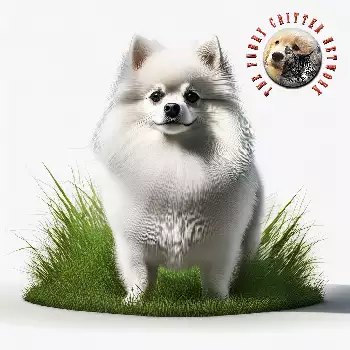
The Pomeranian is a compact toy breed standing 6 to 7 inches at the shoulder and weighing between 3 and 7 pounds, with the ideal show weight falling between 4 and 6 pounds. Despite their diminutive size, Pomeranians possess a sturdy, well-balanced frame with a short back and a body that is well-ribbed and rounded, giving them a cobby appearance. The breed displays the characteristic Nordic Spitz features, including a wedge-shaped head that appears somewhat foxy, small erect ears set high on the skull, and dark, almond-shaped eyes that convey an alert and intelligent expression. The muzzle is short and straight, tapering slightly but never appearing snipey, weak, or overly refined, maintaining good proportions with the skull. The Pomeranian's magnificent double coat is the breed's crowning glory and most distinguishing feature, requiring regular maintenance to preserve its impressive appearance. A soft, dense undercoat provides excellent insulation while the abundant outer coat consists of long, harsh-textured guard hairs that stand away from the body, creating the characteristic puffball silhouette. The coat forms an impressive frill around the neck and chest, extending over the shoulders and creating a mane-like ruff that frames the face beautifully. The heavily plumed tail is one of the breed's most distinctive features, setting high and lying flat against the back in a fan shape, with the profuse tail plumage blending seamlessly into the body coat. Pomeranians display one of the widest varieties of colors found in any dog breed, with the American Kennel Club recognizing all colors, patterns, and variations. Common colorations include orange, red, cream, sable, black, white, blue, chocolate, beaver, and various parti-color combinations featuring white with colored patches. The orange and red shades are perhaps most recognizable and popular, though the breed standard allows for considerable variation and all colors are judged equally. The face features the characteristic foxy expression with bright, intelligent eyes and a refined muzzle, while the small feet are compact and cat-like with well-arched toes. Regular grooming including brushing several times weekly is essential to maintain the coat's impressive appearance, prevent matting in the dense undercoat, and manage the considerable shedding that occurs especially during seasonal coat changes.
Key Characteristics
Temperament Temperament Temperament Temperament Temperament Temperament Despite their small size, Pomeranians are active dogs that enjoy regular play sessions, short walks, and opportunities to explore their environment. They form extremely strong bonds with their owners and thrive on companionship, often preferring the company of their favorite person above all else and wanting to participate in daily activities. This intense attachment can sometimes lead to separation anxiety if not addressed through gradual training and teaching the dog to feel secure when alone. Pomeranians can adapt well to families with older children who understand how to handle small dogs gently and respectfully, but their delicate size and relatively fragile structure make them less suitable for households with very young or rambunctious children who might accidentally injure them. Their lively personality, combined with their portable size, striking appearance, and affectionate nature, has made the Pomeranian a consistently popular companion breed for those seeking a devoted and entertaining small dog.
Health Considerations Health Considerations Health Considerations Health Considerations Health Considerations Health Considerations Dental disease requires vigilant attention in Pomeranians due to their small mouths, which often leads to overcrowding of teeth and increased tartar accumulation compared to larger breeds. Regular dental care, including professional veterinary cleanings and consistent home brushing, is essential to prevent tooth decay, gum disease, and the tooth loss that commonly affects neglected small breed dogs. Hypoglycemia, or dangerously low blood sugar, can affect Pomeranian puppies and very small adults, particularly during times of stress, excessive activity, or extended periods without food. Eye problems including cataracts, tear duct issues causing excessive tearing, and progressive retinal atrophy may also occur in the breed. Responsible breeding practices that include thorough health screening of parent dogs, combined with regular veterinary care and careful attention to weight management, help ensure Pomeranians live long, healthy, and comfortable lives.
Pug
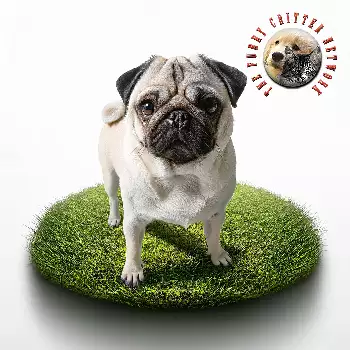
The Pug is a small but substantial toy breed standing 10 to 13 inches at the shoulder and weighing between 14 and 18 pounds, with a compact, muscular body that is often described as multum in parvo, meaning much in little. This breed displays a distinctively square and cobby build, with the length from chest to rear approximately equal to the height at the withers, creating a well-balanced silhouette. The body is thick-set and broad in the chest, with well-developed muscles and a level topline. The legs are strong and straight, positioned well under the body, and the feet are compact with well-split toes and black nails, neither elongated like a hare's foot nor rounded like a cat's. The head is the Pug's most distinctive feature and sets the breed apart from all others. It is large and round when viewed from the front, with deep wrinkles forming a pattern across the forehead. The face is flat and brachycephalic, with a very short, blunt muzzle that is square and not upturned. The large, round eyes are dark and prominent, conveying a soft, concerned expression that many find irresistible. The ears are small, thin, and soft like black velvet, and may be either rose-shaped, folding over and back to reveal the inside, or button-shaped, folding forward with the tip lying close to the skull. The button ear is preferred in the show ring. A distinctive black mask covers the muzzle and extends to cover the ears. The Pug's coat is fine, smooth, short, and glossy, lying close to the body and requiring minimal grooming beyond regular brushing to manage moderate shedding. Recognized colors are fawn and black, with fawn being the more common variety and featuring shades ranging from silver-fawn to apricot-fawn, always with a clearly defined black mask and ears. The trace, a dark line extending from the occiput to the tail, is desirable in fawn Pugs. The tail is one of the breed's charming features, set high and curled tightly over the hip, with a double curl considered perfection in the breed standard. The overall impression is of a symmetrical, compact dog with clean, hard muscle and a happy, charming demeanor evident in its very appearance.
Key Characteristics
Temperament Temperament Temperament Temperament Temperament Temperament Pugs have moderate energy levels, enjoying short play sessions and walks but being equally content to spend hours relaxing beside their owners on the couch. This makes them well-suited to less active households, though they should still receive regular exercise to maintain a healthy weight. Training a Pug requires patience and a sense of humor, as they can be somewhat stubborn and easily distracted, but they respond well to positive reinforcement and food rewards. Early socialization helps ensure they develop into confident, well-adjusted adults. One consideration for prospective owners is that Pugs can develop separation anxiety due to their strong attachment to people, so they may not be ideal for families who are away from home for extended periods. Their affectionate nature, combined with their manageable size and entertaining personality, has secured the Pug's place as a treasured companion throughout history and into the present day.
Health Considerations Health Considerations Health Considerations Health Considerations Health Considerations Health Considerations Pug Dog Encephalitis is a breed-specific inflammatory brain disease that causes seizures and can be fatal, typically affecting younger dogs. While relatively uncommon, there is currently no cure or reliable screening test. Pugs are also prone to orthopedic issues including patellar luxation and hip dysplasia, as well as a spinal condition called hemivertebrae where malformed vertebrae can cause pain or paralysis. The breed's love of food combined with their relatively sedentary nature makes them highly prone to obesity, which exacerbates breathing difficulties and joint problems. Maintaining a lean body condition through careful diet management and appropriate exercise is crucial for Pug health. Working with a veterinarian familiar with brachycephalic breeds and choosing a responsible breeder who prioritizes health over extreme physical features helps ensure the best possible outcomes.
Important to Remember
Each hybrid dog is unique and may inherit any combination of traits from either parent breed. The information above represents the characteristics of the purebred parent breeds. Your Pom-A-Pug may favor one parent over the other or display a blend of both. We strongly encourage you to read the complete breed profiles for both the Pomeranian and Pug to fully understand the range of possible temperaments, health concerns, and care requirements.