Pitsky
The Pitsky is a cross between the American Pit Bull Terrier and the Siberian Husky. Because each hybrid inherits a unique combination of traits from both parents, we recommend thoroughly researching both breeds before choosing a Pitsky. Pay special attention to temperament, health issues, and care requirements, as your dog may express characteristics from either parent breed.
American Pit Bull Terrier

The American Pit Bull Terrier is a medium-sized, solidly built dog that combines strength with athleticism in a graceful, agile package. Males typically stand between 18 and 21 inches at the shoulder and weigh 35 to 60 pounds, while females are slightly smaller, standing 17 to 20 inches and weighing 30 to 50 pounds. The breed presents a well-proportioned body that is slightly longer than tall, with a broad chest and well-sprung ribs that provide ample lung capacity. The muscular frame should appear defined but never bulky or overdone, reflecting the breed's heritage as a working dog capable of sustained physical activity. The overall impression is one of power combined with nimble athleticism and fluid movement. The head is distinctive with a broad, flat skull of medium length and a wide, deep muzzle that is shorter than the skull but maintains substantial width throughout. The cheek muscles are prominent and well-developed, and the jaw displays considerable strength with a scissors bite preferred. Eyes are medium-sized, round to almond-shaped, and set low and wide apart on the skull. They come in all colors except blue, which is considered a fault in the breed standard. Ears may be cropped or natural, with natural ears being small to medium in size and carried as rose ears or half-pricked. The neck is muscular and slightly arched, tapering from the shoulders to the head and flowing smoothly into well-laid-back shoulders. The coat is short, close-lying, stiff to the touch, and glossy in appearance. This sleek covering requires minimal grooming while providing adequate protection from the elements. The breed comes in virtually all colors and patterns except merle, which is a disqualification in the breed standard. Common colorations include solid shades of red, blue, brown, fawn, and black, as well as various combinations with white markings on the chest, feet, and face. Brindle patterns are also common and acceptable. The tail is medium length, set low as a natural extension of the topline, and tapers to a point. It is carried in a slight curve when the dog is relaxed and should never curl over the back or be docked.
Key Characteristics
Temperament Temperament Temperament Temperament Temperament Temperament While typically friendly and outgoing with humans, the American Pit Bull Terrier may display dog-selective tendencies, meaning they might not get along with all other dogs, particularly those of the same sex or with assertive personalities. This trait necessitates careful supervision during interactions with unfamiliar animals and responsible management in multi-pet households. Early and ongoing socialization with other dogs can help mitigate potential issues significantly. The breed is not well-suited for cold climates due to their short coat and benefits from indoor living arrangements where they can remain close to their family. They should never be left chained or isolated outdoors, as this contributes to behavioral problems and does not suit their social nature.
Health Considerations Health Considerations Health Considerations Health Considerations Health Considerations Health Considerations Cardiac concerns, particularly dilated cardiomyopathy and aortic stenosis, have been identified in the breed and warrant regular screening. Dilated cardiomyopathy causes the heart muscle to weaken and enlarge, eventually compromising the heart's ability to pump blood effectively and leading to congestive heart failure. Regular cardiac screenings including auscultation and echocardiography can help detect early signs of heart disease. Eye conditions including cataracts, progressive retinal atrophy, and cherry eye may also occur in the breed. Additionally, American Pit Bull Terriers may be prone to demodectic mange particularly as puppies, cerebellar ataxia, dental disease, and have shown increased susceptibility to parvovirus as puppies, making proper vaccination protocols absolutely essential for young dogs.
Siberian Husky
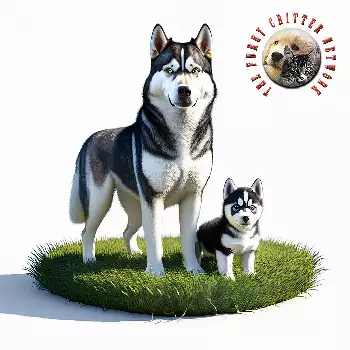
The Siberian Husky is a medium-sized working dog built for speed, endurance, and efficiency in harsh arctic conditions where they originated. Males stand 21 to 23.5 inches at the shoulder and weigh 45 to 60 pounds, while females measure 20 to 22 inches and weigh 35 to 50 pounds. The body is moderately compact and well-proportioned, slightly longer than tall when viewed from the side, creating a balanced silhouette. The overall impression is one of balance, power, and effortless movement rather than bulk or heaviness. This breed should never appear coarse like a freighting dog nor fragile like a sprint racer, but rather strike a perfect medium between these extremes. The head is proportionate to the body with a slightly rounded skull that tapers toward the eyes, creating a refined but not delicate appearance. The muzzle is medium in length and width, tapering gradually to a rounded nose that may be black, liver, or flesh-colored depending on coat color. The expression is keen, friendly, and often mischievous, created by the almond-shaped, moderately spaced eyes that may be brown, blue, one of each color, or even parti-colored with different colors within the same eye. This heterochromia is a distinctive and completely acceptable trait in the breed. Ears are medium-sized, triangular, set high on the head, and carried erect. The thick fur on the inside of the ears provides protection from arctic cold. The double coat is medium in length, dense, and well-furred without obscuring the clean lines of the body. The undercoat is soft and dense, supporting the straight, somewhat smooth-lying outer guard hairs that provide weather protection. During shedding season, which occurs twice yearly, the undercoat comes out in large clumps requiring increased grooming. All colors from black to pure white are permitted, and a wide variety of head markings and patterns occur, including caps, masks, and spectacles that are not found in other breeds. The tail is fox-brush shaped, set just below the level of the topline, and carried in a graceful sickle curve over the back when alert. In cold conditions, Siberian Huskies often curl up and cover their noses with their thick tails for warmth, a behavior called the Siberian swirl.
Key Characteristics
Temperament Temperament Temperament Temperament Temperament Temperament High energy and an insatiable drive to run define daily life with a Siberian Husky. These dogs require substantial exercise, ideally including opportunities to run freely in secure areas or engage in activities like sledding, skijoring, bikejoring, or long-distance hiking. Without adequate physical outlets, their energy expresses itself destructively throughout the home. They typically get along well with other dogs, especially those they are raised with, but possess a strong prey drive that makes them unreliable around small animals including cats, rabbits, birds, and small dogs. Huskies rarely bark but are famously vocal, producing a range of howls, yodels, and talking sounds that neighbors may find disturbing.
Health Considerations Health Considerations Health Considerations Health Considerations Health Considerations Health Considerations Several genetic conditions unique to or particularly common in Siberian Huskies have been identified through veterinary research. Shaking Puppy Syndrome Type 1 causes neurological symptoms in very young puppies, often resulting in sudden death before two years of age. Siberian Husky Polyneuropathy Type 1 causes progressive gait abnormalities and muscle weakness in young dogs. Hyperuricosuria, caused by a mutation in the uric acid transporter gene, increases risk for urate urinary stones, particularly in males. Zinc-responsive dermatosis occurs when dogs cannot properly absorb dietary zinc, causing skin lesions around the face and paws that require supplementation. Follicular dysplasia leads to abnormal hair growth and patchy coat. Degenerative myelopathy, a progressive spinal cord disease causing hind limb weakness and eventual paralysis, also affects the breed. Idiopathic epilepsy may occur, typically beginning between six months and three years of age.
Important to Remember
Each hybrid dog is unique and may inherit any combination of traits from either parent breed. The information above represents the characteristics of the purebred parent breeds. Your Pitsky may favor one parent over the other or display a blend of both. We strongly encourage you to read the complete breed profiles for both the American Pit Bull Terrier and Siberian Husky to fully understand the range of possible temperaments, health concerns, and care requirements.