Pit Heeler
The Pit Heeler is a cross between the American Pit Bull Terrier and the Blue Heeler. Because each hybrid inherits a unique combination of traits from both parents, we recommend thoroughly researching both breeds before choosing a Pit Heeler. Pay special attention to temperament, health issues, and care requirements, as your dog may express characteristics from either parent breed.
American Pit Bull Terrier

The American Pit Bull Terrier is a medium-sized, solidly built dog that combines strength with athleticism in a graceful, agile package. Males typically stand between 18 and 21 inches at the shoulder and weigh 35 to 60 pounds, while females are slightly smaller, standing 17 to 20 inches and weighing 30 to 50 pounds. The breed presents a well-proportioned body that is slightly longer than tall, with a broad chest and well-sprung ribs that provide ample lung capacity. The muscular frame should appear defined but never bulky or overdone, reflecting the breed's heritage as a working dog capable of sustained physical activity. The overall impression is one of power combined with nimble athleticism and fluid movement. The head is distinctive with a broad, flat skull of medium length and a wide, deep muzzle that is shorter than the skull but maintains substantial width throughout. The cheek muscles are prominent and well-developed, and the jaw displays considerable strength with a scissors bite preferred. Eyes are medium-sized, round to almond-shaped, and set low and wide apart on the skull. They come in all colors except blue, which is considered a fault in the breed standard. Ears may be cropped or natural, with natural ears being small to medium in size and carried as rose ears or half-pricked. The neck is muscular and slightly arched, tapering from the shoulders to the head and flowing smoothly into well-laid-back shoulders. The coat is short, close-lying, stiff to the touch, and glossy in appearance. This sleek covering requires minimal grooming while providing adequate protection from the elements. The breed comes in virtually all colors and patterns except merle, which is a disqualification in the breed standard. Common colorations include solid shades of red, blue, brown, fawn, and black, as well as various combinations with white markings on the chest, feet, and face. Brindle patterns are also common and acceptable. The tail is medium length, set low as a natural extension of the topline, and tapers to a point. It is carried in a slight curve when the dog is relaxed and should never curl over the back or be docked.
Key Characteristics
Temperament Temperament Temperament Temperament Temperament Temperament While typically friendly and outgoing with humans, the American Pit Bull Terrier may display dog-selective tendencies, meaning they might not get along with all other dogs, particularly those of the same sex or with assertive personalities. This trait necessitates careful supervision during interactions with unfamiliar animals and responsible management in multi-pet households. Early and ongoing socialization with other dogs can help mitigate potential issues significantly. The breed is not well-suited for cold climates due to their short coat and benefits from indoor living arrangements where they can remain close to their family. They should never be left chained or isolated outdoors, as this contributes to behavioral problems and does not suit their social nature.
Health Considerations Health Considerations Health Considerations Health Considerations Health Considerations Health Considerations Cardiac concerns, particularly dilated cardiomyopathy and aortic stenosis, have been identified in the breed and warrant regular screening. Dilated cardiomyopathy causes the heart muscle to weaken and enlarge, eventually compromising the heart's ability to pump blood effectively and leading to congestive heart failure. Regular cardiac screenings including auscultation and echocardiography can help detect early signs of heart disease. Eye conditions including cataracts, progressive retinal atrophy, and cherry eye may also occur in the breed. Additionally, American Pit Bull Terriers may be prone to demodectic mange particularly as puppies, cerebellar ataxia, dental disease, and have shown increased susceptibility to parvovirus as puppies, making proper vaccination protocols absolutely essential for young dogs.
Blue Heeler
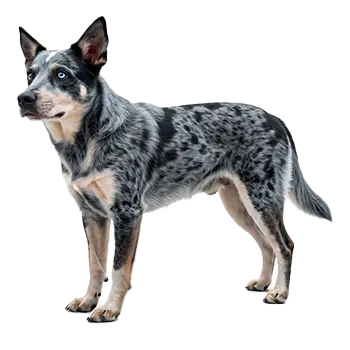
The Blue Heeler, officially known as the Australian Cattle Dog, is a compact, muscular herding breed built for endurance, agility, and resilience in demanding conditions. Males stand 18 to 20 inches at the shoulder and weigh 35 to 50 pounds, while females measure 17 to 19 inches and typically weigh 35 to 45 pounds. The body is slightly longer than tall, presenting a sturdy, symmetrical appearance with a level topline and well-sprung ribs that provide excellent lung capacity. This breed possesses a low center of gravity, substantial bone structure, and powerful hindquarters that enable them to work cattle with confidence across challenging terrain for extended periods. The head is broad and slightly rounded between the ears, tapering to a medium-length muzzle with strong jaws capable of delivering a firm nip when herding. The eyes are oval-shaped and medium-sized, displaying an alert, intelligent, and watchful expression in dark brown. The ears are moderate in size, broad at the base, and set wide apart on the skull, standing erect when the dog is alert and pricking forward with interest. The breed's dingo ancestry is evident in its overall appearance, contributing to its hardiness, natural athleticism, and ability to thrive in harsh Australian conditions. The tail is moderately low-set and hangs in a slight curve at rest, reaching approximately to the hock, with good brush. The coat is a distinctive double layer consisting of a short, dense undercoat covered by a straight, weather-resistant outer coat of moderate length that lies flat against the body. This protective covering enables the breed to work comfortably in various weather conditions, from intense heat to cold rain. Blue Heelers are born completely white and develop their adult coloration by four to six weeks of age as pigmented hairs grow in. The two primary color varieties are blue and red speckle. Blue dogs display blue, blue mottled, or blue speckled patterns, often with tan markings on the legs, chest, throat, jaw, and eyebrows. Many individuals feature distinctive color patches over one or both eyes, referred to as masks or spectacles, adding to their striking appearance.
Key Characteristics
Temperament Temperament Temperament Temperament Temperament Temperament While deeply devoted to their families, Blue Heelers typically display wariness and reserve toward strangers, making them effective and alert watchdogs. They can show aggression toward unfamiliar dogs, particularly those of the same sex, requiring careful management in social situations. This breed is not ideal for first-time dog owners or homes with very young children due to their herding tendencies and need for experienced handling. Early and extensive socialization is critical to help them develop appropriate responses to new people, animals, and situations. With proper training and outlets for their energy, the Blue Heeler becomes a devoted, protective companion with unwavering loyalty.
Health Considerations Health Considerations Health Considerations Health Considerations Health Considerations Health Considerations Hip and elbow dysplasia can affect the breed, causing joint malformation that leads to pain, lameness, and degenerative arthritis over time. Screening of breeding stock through radiographic evaluation by OFA or PennHIP helps reduce incidence in offspring. Patellar luxation, where the kneecap slides out of its normal position causing intermittent lameness, also occurs in the breed with some frequency. Primary lens luxation is an inherited eye condition that can cause acute glaucoma and severe pain if the displaced lens is not addressed promptly. Additionally, neuronal ceroid lipofuscinosis, a progressive and ultimately fatal neurological disease, and von Willebrand disease, a blood clotting disorder that causes excessive bleeding, have been documented in the breed. Regular veterinary checkups help manage conditions and support the breed's natural hardiness.
Important to Remember
Each hybrid dog is unique and may inherit any combination of traits from either parent breed. The information above represents the characteristics of the purebred parent breeds. Your Pit Heeler may favor one parent over the other or display a blend of both. We strongly encourage you to read the complete breed profiles for both the American Pit Bull Terrier and Blue Heeler to fully understand the range of possible temperaments, health concerns, and care requirements.