Pineranian
The Pineranian is a cross between the Miniature Pinscher and the Pomeranian. Because each hybrid inherits a unique combination of traits from both parents, we recommend thoroughly researching both breeds before choosing a Pineranian. Pay special attention to temperament, health issues, and care requirements, as your dog may express characteristics from either parent breed.
Miniature Pinscher
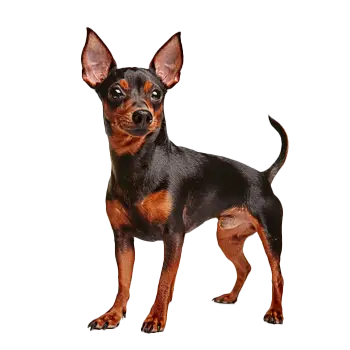
The Miniature Pinscher is a structurally well-balanced, sturdy, compact dog that embodies the concept of a big personality in a small package. Standing 10 to 12.5 inches at the shoulder and weighing 8 to 10 pounds, this elegant toy breed presents a picture of fearlessness and animation. The breed's silhouette is distinctly square, with body length equal to height, creating a compact, wedge-shaped physique. The head is in proportion to the body, with a flat skull that tapers toward the muzzle, parallel planes of skull and muzzle, and a strong muzzle that is proportionate to the head. The eyes are dark, slightly oval, and full of expression, conveying alertness and self-possession. The ears are set high and stand erect from base to tip, whether cropped or natural. The natural ear folds forward and is carried firmly erect. The neck is proportioned to head and body, slightly arched, and flows smoothly into well-laid-back shoulders. One of the breed's most distinctive characteristics is the hackney-like gait, a high-stepping, free-and-easy movement in which the front legs lift high and move forward freely with good reach. The hind legs drive with strength and power. This prancing gait is unique among toy breeds and creates an unmistakable silhouette in motion. The coat is smooth, hard, and short, lying close to the body with a lustrous sheen that requires minimal grooming. There is no undercoat. Acceptable colors include solid red in various shades from stag red to deep rich red, as well as black with sharply defined rust-red markings appearing above the eyes, on the cheeks, lips, lower jaw, throat, chest, lower legs, feet, and below the tail. Chocolate with rust-red markings in the same pattern is also acceptable. The Miniature Pinscher carries itself with a distinctive proud, arrogant bearing that perfectly complements its fearless personality.
Key Characteristics
Temperament Temperament Temperament Temperament Temperament Temperament Socialization from an early age is critical for Miniature Pinschers. Without proper exposure to various people, animals, and situations, they can become suspicious and potentially aggressive toward strangers and other dogs. The breed may assert dominance over other dogs regardless of size, which can lead to conflicts with larger dogs. Their high energy level requires regular exercise and mental stimulation to prevent boredom-related behavior problems. While they can adapt to apartment living, they need daily activity and engagement. Their assertive personality and tendency to bark make them less suitable for novice dog owners, but for experienced handlers who appreciate their spirited nature, the Miniature Pinscher offers endless entertainment and devoted companionship.
Health Considerations Health Considerations Health Considerations Health Considerations Health Considerations Health Considerations Hypothyroidism, a deficiency in thyroid hormone production, occurs in some Miniature Pinschers and can cause weight gain, lethargy, skin problems, and coat changes. Epilepsy causing seizures affects some lines. Heart problems, particularly mitral valve disease, can develop as dogs age. Dental disease is a concern due to the breed's small mouth, making regular dental care essential. The breed is also prone to obesity despite their active nature, particularly as they age and activity levels decrease. Maintaining appropriate weight is important for joint health and overall longevity. Choosing a responsible breeder who screens for common health conditions and provides health guarantees helps ensure a healthy puppy.
Pomeranian
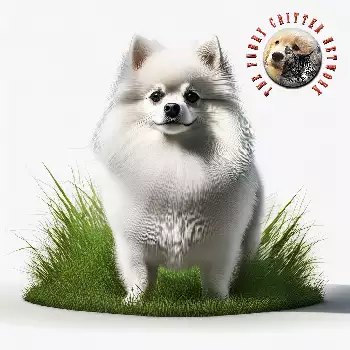
The Pomeranian is a compact, short-backed, active toy dog of Nordic descent that packs tremendous personality into a tiny package. Weighing between 3 and 7 pounds, with an ideal show weight of 4 to 6 pounds, the Pomeranian presents a distinctly square outline with body length equal to height at the withers. The breed's double coat is one of its most striking features, consisting of a short, dense undercoat covered by a profuse, harsh-textured outer coat that stands off from the body, creating the characteristic puffball appearance that has made the breed so popular worldwide. The heavily plumed tail is set high and lies flat on the back, forming an essential part of the breed's distinctive silhouette. The head is wedge-shaped and somewhat foxy in appearance, with a moderately short, fine muzzle and bright, dark, almond-shaped eyes that express alertness and intelligence. The ears are small, mounted high, and carried erect, adding to the breed's attentive expression. The overall expression is described as alert, inquisitive, and cocky, perfectly reflecting the breed's vivacious personality and confident nature. The neck is short with a proud carriage, flowing into well-laid-back shoulders. Despite their diminutive size, Pomeranians are sturdy little dogs with a well-knit frame and good bone, never appearing spindly or fragile despite their small stature. The coat forms an impressive ruff around the neck, framing the head and extending over the shoulders and chest in a lion-like mane. The forelegs are well-feathered, and the hindquarters are heavily coated to the hocks, forming a characteristic skirt. All coat colors, patterns, and variations are acceptable, including orange, red, cream, sable, black, brown, blue, white, and various parti-colors and patterns. The breed's movement is smooth, free, balanced, and brisk, with good reach in the forequarters and strong drive in the hindquarters. The Pomeranian moves with a proud, buoyant gait that reflects its confident, commanding personality and spitz heritage.
Key Characteristics
Temperament Temperament Temperament Temperament Temperament Temperament While generally friendly, Pomeranians may be reserved or suspicious with strangers until properly introduced. Their bold nature can lead them to challenge much larger dogs, making supervision important during interactions with other animals. Early socialization is essential for developing a well-rounded adult dog who is confident without being aggressive. Pomeranians adapt well to various living situations including apartments, though they need daily exercise and mental stimulation. They can develop separation anxiety if left alone for extended periods and do best in households where someone is home frequently. Their combination of devotion, playfulness, and spirited personality makes them entertaining companions for those who appreciate their unique character.
Health Considerations Health Considerations Health Considerations Health Considerations Health Considerations Health Considerations Hypothyroidism is frequently diagnosed in Pomeranians, causing weight gain, lethargy, skin problems, and coat changes. Heart conditions, particularly patent ductus arteriosus and other congenital heart defects, occur in the breed. Hypoglycemia, or low blood sugar, is a concern particularly in puppies and very small adults, requiring careful attention to feeding schedules. Eye conditions including cataracts, entropion, and distichiasis require monitoring through regular ophthalmologic examinations. Dental disease is prevalent due to small mouths and crowded teeth, making regular dental care essential. The breed typically lives 12 to 16 years with proper care. Maintaining healthy weight, providing appropriate dental care, and addressing breed-specific health risks help ensure a long, healthy life.
Important to Remember
Each hybrid dog is unique and may inherit any combination of traits from either parent breed. The information above represents the characteristics of the purebred parent breeds. Your Pineranian may favor one parent over the other or display a blend of both. We strongly encourage you to read the complete breed profiles for both the Miniature Pinscher and Pomeranian to fully understand the range of possible temperaments, health concerns, and care requirements.