Pin-Tzu
The Pin-Tzu is a cross between the Miniature Pinscher and the Shih Tzu. Because each hybrid inherits a unique combination of traits from both parents, we recommend thoroughly researching both breeds before choosing a Pin-Tzu. Pay special attention to temperament, health issues, and care requirements, as your dog may express characteristics from either parent breed.
Miniature Pinscher
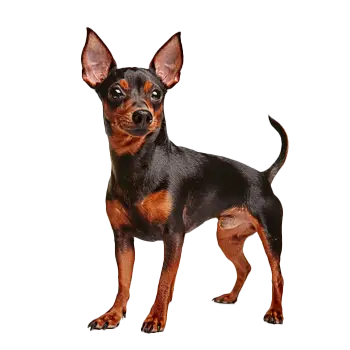
The Miniature Pinscher is a structurally well-balanced, sturdy, compact dog that embodies the concept of a big personality in a small package. Standing 10 to 12.5 inches at the shoulder and weighing 8 to 10 pounds, this elegant toy breed presents a picture of fearlessness and animation. The breed's silhouette is distinctly square, with body length equal to height, creating a compact, wedge-shaped physique. The head is in proportion to the body, with a flat skull that tapers toward the muzzle, parallel planes of skull and muzzle, and a strong muzzle that is proportionate to the head. The eyes are dark, slightly oval, and full of expression, conveying alertness and self-possession. The ears are set high and stand erect from base to tip, whether cropped or natural. The natural ear folds forward and is carried firmly erect. The neck is proportioned to head and body, slightly arched, and flows smoothly into well-laid-back shoulders. One of the breed's most distinctive characteristics is the hackney-like gait, a high-stepping, free-and-easy movement in which the front legs lift high and move forward freely with good reach. The hind legs drive with strength and power. This prancing gait is unique among toy breeds and creates an unmistakable silhouette in motion. The coat is smooth, hard, and short, lying close to the body with a lustrous sheen that requires minimal grooming. There is no undercoat. Acceptable colors include solid red in various shades from stag red to deep rich red, as well as black with sharply defined rust-red markings appearing above the eyes, on the cheeks, lips, lower jaw, throat, chest, lower legs, feet, and below the tail. Chocolate with rust-red markings in the same pattern is also acceptable. The Miniature Pinscher carries itself with a distinctive proud, arrogant bearing that perfectly complements its fearless personality.
Key Characteristics
Temperament Temperament Temperament Temperament Temperament Temperament Socialization from an early age is critical for Miniature Pinschers. Without proper exposure to various people, animals, and situations, they can become suspicious and potentially aggressive toward strangers and other dogs. The breed may assert dominance over other dogs regardless of size, which can lead to conflicts with larger dogs. Their high energy level requires regular exercise and mental stimulation to prevent boredom-related behavior problems. While they can adapt to apartment living, they need daily activity and engagement. Their assertive personality and tendency to bark make them less suitable for novice dog owners, but for experienced handlers who appreciate their spirited nature, the Miniature Pinscher offers endless entertainment and devoted companionship.
Health Considerations Health Considerations Health Considerations Health Considerations Health Considerations Health Considerations Hypothyroidism, a deficiency in thyroid hormone production, occurs in some Miniature Pinschers and can cause weight gain, lethargy, skin problems, and coat changes. Epilepsy causing seizures affects some lines. Heart problems, particularly mitral valve disease, can develop as dogs age. Dental disease is a concern due to the breed's small mouth, making regular dental care essential. The breed is also prone to obesity despite their active nature, particularly as they age and activity levels decrease. Maintaining appropriate weight is important for joint health and overall longevity. Choosing a responsible breeder who screens for common health conditions and provides health guarantees helps ensure a healthy puppy.
Shih Tzu
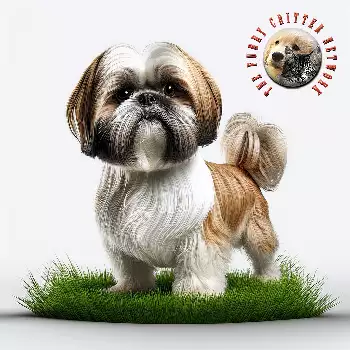
The Shih Tzu is a sturdy, lively toy dog that carries itself with unmistakable dignity and a distinctively arrogant carriage befitting its noble Chinese ancestry. Standing 9 to 10.5 inches at the shoulder and weighing 9 to 16 pounds, the breed presents a compact, solid physique with good bone and substance regardless of size. The body is slightly longer than tall, creating a rectangular outline that contributes to the breed's characteristic silhouette. The head is round and broad, set wide between the eyes, with a domed skull and a definite stop. The muzzle is square, short, and unwrinkled, ideally measuring about one inch from tip of nose to stop. The expression is warm, sweet, wide-eyed, friendly, and trusting, conveyed through large, round, dark eyes that look straight ahead. The underbite is a required characteristic, with the lower jaw being broad and strong. The ears are large, heavily coated, and set slightly below the crown of the skull, blending with the neck hair to create a continuous flow. The tail is set high and carried in a curve well over the back, heavily plumed. One of the breed's most distinctive features is the unique way hair grows upward on the muzzle, creating a chrysanthemum-like face when viewed from the front. The crowning glory of the Shih Tzu is its luxurious double coat, consisting of a dense, long, flowing outer coat and a soft undercoat. A slight wave is permissible, but the coat should never be curly. The hair on the head is typically tied up for convenience and to keep it out of the dog's eyes. All coat colors and markings are acceptable and considered equally. The breed moves with a smooth, flowing, effortless gait that demonstrates good front reach and strong rear drive while maintaining a level topline and naturally high head carriage. The overall impression is of natural beauty combined with proud bearing.
Key Characteristics
Temperament Temperament Temperament Temperament Temperament Temperament Training a Shih Tzu requires a gentle approach that respects their sensitive nature while maintaining consistent boundaries. They respond best to positive reinforcement and may become stressed or withdrawn under harsh correction. While they can bark to alert their owners to visitors, they are not excessive barkers compared to some toy breeds. The breed adapts well to various living situations, from apartments to larger homes, as long as they receive adequate attention and companionship. Their moderate exercise needs are easily met with short walks and indoor play. The Shih Tzu's combination of affection, adaptability, and playful spirit makes it an ideal companion for families, singles, and seniors alike.
Health Considerations Health Considerations Health Considerations Health Considerations Health Considerations Health Considerations Dental disease is extremely common in Shih Tzus, with their small jaws leading to overcrowded teeth, misalignment, and accelerated plaque buildup. Regular dental care including daily brushing and professional cleanings is crucial for preventing painful infections and tooth loss. The breed is also prone to patellar luxation, hip dysplasia, ear infections due to their heavy, heavily-coated ears, and renal dysplasia affecting kidney development. Liver shunt, where blood bypasses the liver, can cause neurological symptoms and stunted growth. The breed typically lives 10 to 16 years, with studies indicating an average of 12 to 13 years. Regular veterinary care, maintaining healthy weight, and addressing breed-specific risks help ensure the best possible quality of life.
Important to Remember
Each hybrid dog is unique and may inherit any combination of traits from either parent breed. The information above represents the characteristics of the purebred parent breeds. Your Pin-Tzu may favor one parent over the other or display a blend of both. We strongly encourage you to read the complete breed profiles for both the Miniature Pinscher and Shih Tzu to fully understand the range of possible temperaments, health concerns, and care requirements.