Pembroke Sheltie
The Pembroke Sheltie is a cross between the Shetland Sheepdog and the Pembroke Welsh Corgi. Because each hybrid inherits a unique combination of traits from both parents, we recommend thoroughly researching both breeds before choosing a Pembroke Sheltie. Pay special attention to temperament, health issues, and care requirements, as your dog may express characteristics from either parent breed.
Shetland Sheepdog

The Shetland Sheepdog, affectionately known as the Sheltie, is a small to medium-sized herding dog that presents an elegant and refined appearance reminiscent of a miniature Rough Collie. Standing between 13 and 16 inches at the shoulder with weight proportionate to height, the Sheltie exhibits a well-balanced, sturdy frame built for agility and endurance. The breed displays a distinctly wedge-shaped head when viewed from the top or side, forming a long blunt wedge that tapers gracefully from ears to nose. The skull is flat with moderate width between the ears, and the muzzle runs parallel to the skull plane, connected by a slight but definite stop. The almond-shaped eyes are set somewhat obliquely and should be dark brown, contributing to the breed's characteristically sweet, alert, and intelligent expression that has captivated admirers for generations. The Sheltie possesses a magnificent double coat that is the hallmark of the breed and provides essential protection from harsh weather. The outer coat consists of long, straight, harsh-textured hair that stands away from the body, while the undercoat is soft, short, and exceptionally dense. Males typically carry more profuse coats than females. The neck is heavily coated, forming an impressive mane and frill that extends over the shoulders and chest, creating a regal appearance. The forelegs feature smooth short hair in front with well-feathered backs, while the hindquarters display thick trousers down to the hock. The tail is richly plumed and carried low when relaxed. Acceptable coat colors include sable ranging from golden to mahogany, tricolor featuring black with tan and white markings, blue merle displaying a silvery blue base marbled with black, black and white, and predominantly white with colored markings. White markings typically appear as a blaze, collar, chest, legs, and tail tip. The breed's movement is smooth and effortless, almost floating, demonstrating the athletic grace and natural agility required of an active herding dog working on rugged terrain.
Key Characteristics
Temperament Temperament Temperament Temperament Temperament Temperament The Sheltie's herding heritage remains evident in their behavior, and they may attempt to herd children, other pets, or even adults by circling or nipping at heels. They are generally excellent with children and other dogs when properly socialized, and their playful nature makes them wonderful family companions. Despite their energy, they are adaptable dogs who can thrive in various living situations as long as they receive adequate mental stimulation and exercise. Their eager-to-please attitude and responsiveness to training make them suitable for first-time owners who are willing to invest time in their education and socialization.
Health Considerations Health Considerations Health Considerations Health Considerations Health Considerations Health Considerations Shelties are among the breeds affected by the MDR1 gene mutation, which causes sensitivity to certain medications including some common heartworm preventatives and anesthetics. Testing for this mutation is recommended before administering any potentially problematic medications. Other health concerns include epilepsy, patellar luxation, and degenerative myelopathy. Responsible breeders screen for these conditions and provide health clearances. Maintaining a healthy weight, providing regular exercise, and scheduling routine veterinary checkups are essential components of keeping a Sheltie healthy throughout their life.
Pembroke Welsh Corgi
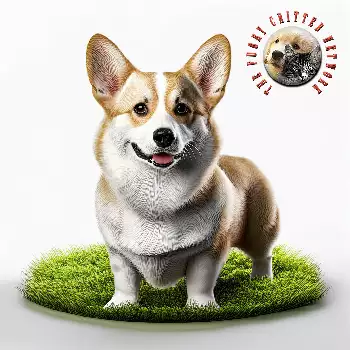
The Pembroke Welsh Corgi is a sturdy, low-set dog built for functionality and endurance despite its compact size. Standing 10 to 12 inches at the shoulder, males typically weigh between 27 and 30 pounds while females range from 25 to 28 pounds. The breed displays a distinctively long body relative to its height, with a level topline and well-sprung ribs that provide ample heart and lung room for sustained activity. Despite short legs, the Pembroke is a surprisingly athletic and agile dog, capable of quick movements and sustained activity that reflects its heritage as a working herder. The head is fox-like in shape and expression, with a moderately wide, flat skull between the ears that tapers toward the eyes and continues to a moderately pointed muzzle. The ears are erect, medium-sized, and slightly rounded at the tips, giving the breed its characteristic alert expression that conveys intelligence and readiness for action. The eyes are medium-sized, oval-shaped, and set somewhat obliquely, with dark brown coloring that harmonizes with the coat. Unlike their Cardigan cousins, Pembrokes are naturally bob-tailed or have docked tails, resulting in a distinctive appearance that clearly differentiates the two Corgi varieties. The overall impression is of a substantial dog in a small package, combining an appealing expression with a body capable of hard work and athletic performance. The Pembroke carries a medium-length double coat consisting of a short, thick, weather-resistant undercoat covered by a longer, coarser outer coat that provides protection from the elements. The coat lies flat on the body and is slightly longer and thicker around the neck, chest, and shoulders, forming a slight ruff. Acceptable coat colors include red, sable, fawn, and black and tan, with or without white markings. White typically appears on the legs, chest, neck, muzzle, underparts, and as a narrow blaze on the head. The breed's movement is free and smooth, with good reach and drive, allowing for efficient and tireless herding work.
Key Characteristics
Temperament Temperament Temperament Temperament Temperament Temperament Despite their working heritage, Pembroke Welsh Corgis adapt well to various living situations including apartments, provided they receive sufficient exercise and mental stimulation. They are active indoors and will happily participate in household activities, preferring to be near their families rather than isolated. The breed generally gets along well with other dogs and pets when properly socialized, though some may display herding behavior toward other animals. Their eager-to-please attitude combined with their intelligence makes them highly trainable, though owners should be aware that Pembrokes can be prone to separation anxiety if left alone for extended periods.
Health Considerations Health Considerations Health Considerations Health Considerations Health Considerations Health Considerations Obesity is a particularly serious concern for Pembroke Welsh Corgis due to their deep chests, short legs, and tendency to overeat. Excess weight places tremendous strain on their already vulnerable spines and can significantly increase the risk of intervertebral disc disease and other orthopedic problems. The breed typically lives 12 to 13 years with proper care. Maintaining a lean body condition, providing appropriate low-impact exercise, preventing jumping from heights, and using ramps for furniture and vehicles are essential management strategies. Regular veterinary checkups, appropriate health screening, and responsible breeding practices help ensure the healthiest possible dogs.
Important to Remember
Each hybrid dog is unique and may inherit any combination of traits from either parent breed. The information above represents the characteristics of the purebred parent breeds. Your Pembroke Sheltie may favor one parent over the other or display a blend of both. We strongly encourage you to read the complete breed profiles for both the Shetland Sheepdog and Pembroke Welsh Corgi to fully understand the range of possible temperaments, health concerns, and care requirements.