Peke-A-Boo
The Peke-A-Boo is a cross between the Bolognese and the Pekingese. Because each hybrid inherits a unique combination of traits from both parents, we recommend thoroughly researching both breeds before choosing a Peke-A-Boo. Pay special attention to temperament, health issues, and care requirements, as your dog may express characteristics from either parent breed.
Bolognese
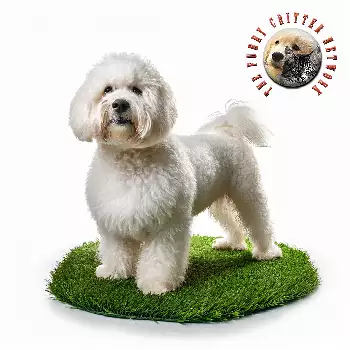
The Bolognese is a small, charming companion dog that belongs to the Bichon family of breeds, sharing ancestry with the Maltese, Bichon Frise, Havanese, and Coton de Tulear. This breed presents a compact, square build that is surprisingly sturdy despite its dainty appearance. Males typically stand ten to twelve inches at the withers and weigh between six and ten pounds, while females are slightly smaller at nine to eleven inches tall and weighing five to nine pounds. The body is well-muscled with a straight, level back, well-sprung ribs giving a cylindrical body shape, and relatively short limbs in comparison to body length. Despite their small size, Bolognese dogs possess good muscling and could not be described as delicate or fragile. The most distinctive feature of the Bolognese is its unique coat, which sets it apart from other Bichon breeds. The fur is always pure white, sometimes with subtle cream or ivory shadings that are considered acceptable. Unlike the tightly curled coat of the Bichon Frise, the Bolognese coat falls in loose, open ringlets or flocks all over the body, with shorter hair on the face. The texture is distinctively woolly rather than silky, and the breed lacks an undercoat, making it a single-coated breed. This cotton-like coat gives the Bolognese an endearing, somewhat tousled appearance that is characteristic of the breed when properly maintained. The head of the Bolognese is of medium length, well-balanced with the body, and features a moderately broad skull with a well-defined stop. The eyes are large, round, and dark, set well apart with black rims, giving an expression of curiosity and alertness. A full coat can sometimes nearly obscure the eyes from view, adding to their distinctive appearance. The nose is large and black, the jaws are strong with evenly aligned white teeth, and the ears are set high and hang pendulously. The tail is carried curved over the back, completing the picture of an elegant yet approachable companion dog.
Key Characteristics
Temperament Temperament Temperament Temperament Temperament Temperament Bolognese dogs are typically friendly and accepting once they feel secure, though they may initially be reserved with strangers until they assess the situation. They generally get along well with other dogs and household pets when properly socialized from a young age, and their gentle nature makes them suitable companions for seniors and families with older, respectful children. However, their small size and delicate structure mean they are not ideal for households with very young children who might handle them roughly. The Bolognese's alert nature makes them good little watchdogs who will notify their owners of visitors or unusual occurrences, though they are not excessive barkers.
Health Considerations Health Considerations Health Considerations Health Considerations Health Considerations Health Considerations Dental disease is prevalent in the Bolognese due to their small mouths, making daily tooth brushing and regular professional dental cleanings essential preventive measures. Without proper oral care, plaque and tartar buildup can lead to gum inflammation, painful tooth abscesses, and eventual tooth loss. Eye conditions including cataracts and progressive retinal atrophy have been documented in the breed, making regular ophthalmologic examinations advisable. The breed's white coat is prone to tear staining around the eyes, which while primarily a cosmetic concern, can sometimes indicate underlying allergies or eye irritation that should be addressed. Maintaining a healthy weight is particularly important as obesity can exacerbate joint problems and reduce overall quality of life.
Pekingese

The Pekingese is a compact, stocky toy breed that carries itself with an air of dignity befitting its imperial Chinese heritage. Despite their small stature, standing only six to nine inches at the withers and weighing between seven and fourteen pounds, these dogs feel surprisingly heavy when lifted due to their muscular, well-built bodies. The breed presents a distinctive lion-like appearance with a broad, flat head that is wider than it is deep, creating an envelope-shaped profile. Their faces are remarkably flat when viewed from the side, with the chin, nose, and brow all lying on one plane that slants slightly backward from chin to forehead. The overall balance of the Pekingese is of utmost importance, with the head appearing large in proportion to the body. The crowning glory of the Pekingese is undoubtedly their profuse double coat, consisting of a long, straight, harsh-textured outer coat and an abundant soft undercoat. This magnificent coat forms a luxurious mane around the neck and shoulders, extending beyond the shoulder blades and creating a cape-like appearance. Generous feathering adorns the ears, back of the legs, tail, and toes, contributing to their regal presence. The breed standard accepts all coat colors and markings equally, with gold, red, and sable being the most common, though cream, black, white, tan, and various combinations also occur. A black mask and dark outlining around the eyes and ears are considered desirable features. Their large, round, dark eyes are set wide apart and have a lustrous, slightly prominent appearance that gives them their characteristic sweet yet somewhat aloof expression. The heart-shaped ears lie flat against the head and are heavily feathered, framing the face beautifully. The Pekingese moves with an unhurried, dignified gait featuring a distinctive rolling motion over the shoulders, a trait that was historically believed to have been selectively bred to prevent these royal dogs from wandering far from their imperial masters.
Key Characteristics
Temperament Temperament Temperament Temperament Temperament Temperament Pekingese thrive in calm, adult-oriented households where they can enjoy a comfortable, temperature-controlled environment. While they can be playful and occasionally let their guard down for a good romp, they are not high-energy dogs and prefer a more sedate lifestyle with plenty of opportunities for cuddling and companionship. Early socialization is essential to help them accept handling, grooming, and interactions with strangers, as they can develop stubborn or possessive behaviors if overly indulged. Their sensitivity to their owner's moods makes them intuitive companions who respond best to gentle, loving guidance.
Health Considerations Health Considerations Health Considerations Health Considerations Health Considerations Health Considerations Heart disease, particularly early-onset mitral valve disease characterized by heart murmurs, affects many Pekingese and requires ongoing veterinary monitoring. The breed is also prone to patellar luxation, skin fold dermatitis in their facial wrinkles, and dental problems due to their crowded teeth in small jaws. Syringomyelia, a neurological condition affecting the spinal cord near the brain, has been documented in the breed. Responsible breeding practices, including health screening of breeding stock, can help reduce the incidence of many hereditary conditions. Regular veterinary care, weight management, and attention to environmental conditions are essential for maintaining a Pekingese's health and quality of life.
Important to Remember
Each hybrid dog is unique and may inherit any combination of traits from either parent breed. The information above represents the characteristics of the purebred parent breeds. Your Peke-A-Boo may favor one parent over the other or display a blend of both. We strongly encourage you to read the complete breed profiles for both the Bolognese and Pekingese to fully understand the range of possible temperaments, health concerns, and care requirements.