Pek-A-Rat
The Pek-A-Rat is a cross between the Pekingese and the Rat Terrier. Because each hybrid inherits a unique combination of traits from both parents, we recommend thoroughly researching both breeds before choosing a Pek-A-Rat. Pay special attention to temperament, health issues, and care requirements, as your dog may express characteristics from either parent breed.
Pekingese

The Pekingese is a compact, stocky toy breed with a distinctive lion-like appearance that reflects its ancient Chinese heritage as a companion to royalty. These dogs stand between 6 and 9 inches at the shoulder and should not exceed 14 pounds according to breed standards, with disqualification for dogs exceeding this weight limit in the show ring. The body is surprisingly muscular and well-built beneath the abundant coat, featuring a pear-shaped profile that is heavier in the front and tapers toward the hindquarters. The breed's characteristic rolling gait results from its unique body structure, with short, bowed front legs set wider apart than the rear legs. The head is the Pekingese's most defining feature, being large, massive, and broad with a flat top and a distinctive envelope-shaped profile when viewed from the side. The face is extremely flat and brachycephalic, featuring an undershot jaw, a broad nose set between large, prominent, round dark eyes. A characteristic V-shaped facial wrinkle extends from cheek to cheek over the bridge of the nose, adding to the breed's distinctive expression of dignity and self-importance. The heart-shaped ears are set level with the top of the skull and lie flat against the head, framed by long feathering that blends with the mane. The Pekingese coat is one of the most luxurious in the canine world, consisting of a long, coarse, straight outer coat and a thick, soft undercoat that together create the breed's magnificent appearance. A distinctive lion-like mane of longer hair extends around the neck and shoulders, while profuse feathering adorns the ears, legs, tail, and toes. The heavily plumed tail curves over the back and falls to either side, completing the regal silhouette. All coat colors are acceptable in the breed standard, including red, fawn, black, white, cream, sable, and parti-color, with black masks and spectacles being common regardless of body color.
Key Characteristics
Temperament Temperament Temperament Temperament Temperament Temperament Pekingese generally do well with older children who understand how to handle small dogs gently, but their small size and relatively fragile structure make them less suitable for households with toddlers or rough-playing youngsters. They can be territorial and may not readily accept other pets, particularly if not raised with them from puppyhood. The breed requires firm but gentle leadership to prevent the development of small dog syndrome, where the dog becomes overly demanding or snappish. Despite their aristocratic demeanor, Pekingese can be surprisingly playful with trusted family members and often display a dry sense of humor that endears them to their owners.
Health Considerations Health Considerations Health Considerations Health Considerations Health Considerations Health Considerations Intervertebral Disc Disease (IVDD) affects Pekingese due to their long backs and short legs, potentially causing pain, nerve damage, and paralysis if discs herniate and compress the spinal cord. Heart conditions, particularly mitral valve disease, occur with increased frequency and require regular veterinary monitoring. Patellar luxation, skin fold dermatitis in the facial wrinkles, dental disease due to crowded teeth in the shortened jaw, and obesity are additional concerns. The breed has a lifespan of 12 to 14 years with proper care, though respiratory issues may impact quality of life as dogs age.
Rat Terrier
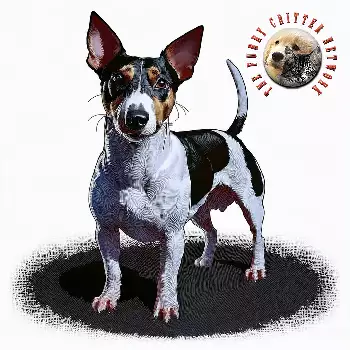
The Rat Terrier is a compact, sturdy American breed developed for farm work and vermin control, presenting an appearance of elegance and fitness that conveys speed, power, and balance. The breed comes in two recognized size varieties: miniature, standing 10 to 13 inches at the shoulder, and standard, measuring over 13 inches up to 18 inches. Weight varies proportionally with height, with miniatures typically weighing 10 to 18 pounds and standards ranging from 18 to 25 pounds. The body is slightly longer than tall, with a well-proportioned frame featuring a level back, moderately deep chest, and moderate tuck-up that reflects the breed's athletic heritage. The head resembles a smooth, blunt wedge from both front and profile views, with a moderately broad skull that is flat or slightly rounded between the ears. The muzzle is strong, slightly shorter than the skull, and tapers toward the nose without appearing snipey. The expression is intelligent, alert, and full of interest, conveyed through obliquely set, oval eyes that are neither too prominent nor deeply set. Eye color ranges from dark brown to amber depending on coat color. The ears are set at the outside edges of the skull and may be carried erect, semi-erect, or tipped, with erect being preferred in the show ring. The Rat Terrier's coat is short, smooth, dense, and shiny, lying close to the body and providing protection without bulk. The breed always displays a parti-colored pattern, meaning white must be present as a base or markings. Acceptable colors include black, chocolate, red, apricot, blue, fawn, tan, and lemon, typically combined with white markings that can range from 10 to 90 percent of the body. Tri-color patterns are common, with ticking and various color combinations creating distinctive individual appearances. The tail may be naturally long, naturally bobbed, or docked, and is carried in a slight upward curve when the dog is alert.
Key Characteristics
Temperament Temperament Temperament Temperament Temperament Temperament Rat Terriers are energetic dogs requiring at least 30 to 40 minutes of daily exercise, including walks, play sessions, and mental stimulation through training or puzzle toys. Without adequate outlets for their energy, they may develop behavioral issues including excessive barking, digging, and destructive chewing. The breed excels at various canine sports including agility, obedience, and earthdog trials. Rat Terriers generally get along well with children when raised together, though interactions with young children should be supervised. They typically coexist peacefully with other dogs, particularly when properly socialized, though their terrier nature may lead them to challenge larger dogs regardless of the potential consequences.
Health Considerations Health Considerations Health Considerations Health Considerations Health Considerations Health Considerations Patellar luxation, where the kneecap slips out of position, affects Rat Terriers with moderate frequency and can range from mild cases requiring no treatment to severe grades necessitating surgical correction. Hip dysplasia, though more common in larger breeds, can occur and cause pain and mobility issues. Progressive Retinal Atrophy causes progressive vision loss and eventual blindness, with genetic testing available to identify carriers. Legg-Calve-Perthes disease, where the femoral head degenerates due to insufficient blood supply, affects some individuals early in life and requires surgical intervention. Dental abnormalities including malocclusion and missing teeth occur at higher rates in the breed. Regular veterinary care and health screening help ensure Rat Terriers enjoy their characteristically long, active lives.
Important to Remember
Each hybrid dog is unique and may inherit any combination of traits from either parent breed. The information above represents the characteristics of the purebred parent breeds. Your Pek-A-Rat may favor one parent over the other or display a blend of both. We strongly encourage you to read the complete breed profiles for both the Pekingese and Rat Terrier to fully understand the range of possible temperaments, health concerns, and care requirements.